
 AUS
AUS
 NZ
NZ
 UK
UK
 CA
CA
 USA
USA
 IND
IND







Highlights
- Discussion of operational developments at PLS Group and their relation to global lithium supply dynamics.
- Examination of recent market influences and corporate developments impacting the company’s position within the resources sector.
- Review of PLS Group’s strategic footprint across mining and processing activities.
Article presents a factual overview of PLS Group’s operations, index inclusion, and role in lithium mining and resource disclosure without recommendations or suggestions.
The lithium and materials segment of the Australian resources sector features a range of producers and processors central to global supply networks, including companies represented in the ASX 100. Within this context, PLS Group (ASX:PLS) stands as a prominent Australian lithium producer with a focus on hard rock extraction and supply chain integration across key markets. Its assets and operational decisions are part of broader discussions about the structure and evolution of mining operations on the national exchange and within the ASX 100 stock list framework.
Operational Footprint of PLS Group
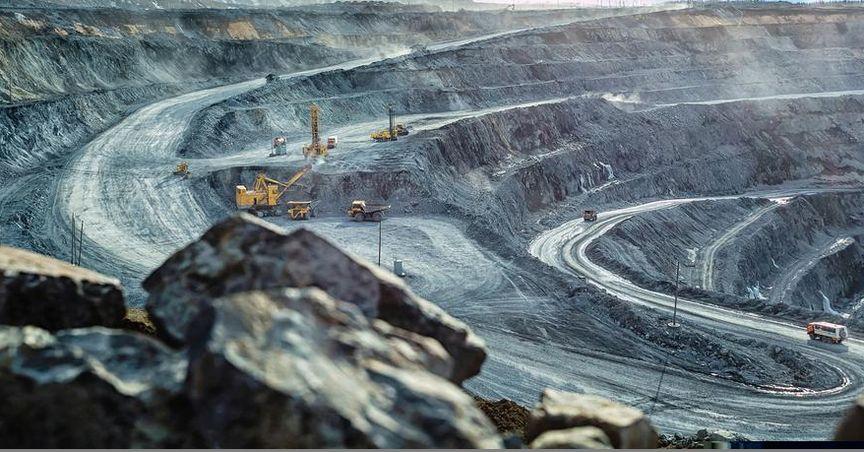
PLS Group (ASX:PLS) is an Australian company engaged in the mining and processing of lithium-bearing minerals from hard rock deposits. The company’s flagship asset is the Pilgangoora operation in Western Australia’s Pilbara region, one of the largest independent hard rock lithium operations globally. This mine produces spodumene concentrate, a material used in the production of lithium chemicals and other derivatives that feed industrial supply chains. PLS Group also holds interests in the Colina project in Brazil, acquired following a corporate transaction that expanded its resource base beyond Australia’s borders.
The Pilgangoora site’s scale and output underpin PLS Group’s (ASX:PLS) role within the lithium supply landscape. This operation contributes to the supply of spodumene concentrate to processing facilities globally, often destined for chemical conversion in Asia. These activities involve extraction, beneficiation, and logistics operations typical of large-scale mining enterprises, where infrastructure, workforce management, and regulatory compliance form part of routine operational considerations.
Index Inclusion and Market Classification
PLS Group’s classification among the larger Australian listed companies has been affirmed through its inclusion in major domestic indices. Historical reporting indicates that PLS Group (ASX:PLS) was added to the S&P/ASX 100 Index, a benchmark that reflects a broad set of large capitalisation entities in Australia’s securities market. This inclusion is indicative of the company’s relative scale within the materials and mining segment of the exchange.
Inclusion within such indices typically reflects defined criteria related to market capitalisation and trading activity, situating PLS Group alongside other established resource producers. The company’s presence in these index lists situates it within conversations that frame the broader resource sector’s structure on the Australian Securities Exchange.
Lithium Supply Chain Context
Lithium production is central to a range of industrial applications, including energy storage systems and mobility technologies. Hard rock spodumene concentrate, such as that produced by PLS Group (ASX:PLS), serves as a principal source of lithium for downstream chemical processing. The geographical flow of this material often sees concentrate shipped from Australian ports to processing facilities in East Asia, where chemical conversion into lithium compounds occurs.
The operations of companies like PLS Group interact with broader supply and demand dynamics that influence global output levels, contractual arrangements with processors, and logistical considerations. Within this framework, the technical characteristics of ore bodies, processing methodologies, and transportation infrastructure contribute to the cost and quality metrics associated with extraction and supply.
Corporate Developments and Strategic Moves
In recent years, PLS Group (ASX:PLS) underwent a corporate rebranding from its former identity to its current name, reflecting a shift in corporate structure and asset portfolio. This change was formalised in late 2025 following shareholder approval and was part of a sequence of strategic actions, including project acquisitions and portfolio adjustments.
Such structural adjustments form part of routine corporate governance activities for companies operating at scale in the mining sector. These changes can affect how operations are integrated across jurisdictions and how strategic assets are aligned with ongoing operational plans. The expansion into a South American project and engagement in joint ventures for downstream processing reflect a corporate footprint that spans multiple facets of the lithium supply chain.
Regulatory and Environmental Considerations
Mining and processing operations in jurisdictions such as Western Australia and Brazil operate within established regulatory frameworks. These frameworks encompass environmental permits, land use agreements, and standards for workforce safety and environmental performance. Companies like PLS Group (ASX:PLS) engage with these frameworks as part of routine operational compliance and reporting.
Environmental management approaches typically cover areas such as land rehabilitation, water usage, and emissions control, reflecting statutory requirements and industry practice. Reporting on these aspects can be found in routine disclosures to regulatory authorities and within technical descriptions of site operations.
Market Dynamics Impacting Operations
The dynamics of global commodity markets, including demand for resources used in energy storage and electrification technologies, exert influence on operational planning and output schedules for mining companies. Variations in trading volumes and contractual arrangements with processing facilities contribute to adjustments in the flow of material from extraction sites.
Within this environment, companies continually adjust operational parameters, including resource scheduling, logistics planning, and workforce deployment, to align with prevailing conditions in supply chains. These adjustments are part of standard operational management and reporting cycles for mining enterprises.
Reporting and Disclosure
Publicly listed companies such as PLS Group (ASX:PLS) are subject to periodic reporting requirements set by exchange regulations. These include the disclosure of quarterly activities, resource estimates, and operational updates. These disclosures provide factual information about production activities, project developments, and other material events relevant to stakeholders and regulatory bodies.
Routine announcements to the exchange and technical filings accessible through official channels contain detailed descriptions of resource activity, asset status, and corporate governance arrangements. This structured reporting supports transparency and accountability within the broader framework of public company operations.
Sector Position and Index Representation
Within the mining and resources segment on the Australian Securities Exchange, PLS Group (ASX:PLS) occupies a position that aligns with companies engaged in the extraction and processing of materials central to energy and industrial supply chains. Its operational footprint and published profile place the company among entities recognised in broad market indices, representing a segment of the exchange that encompasses key resource producers.
The company’s activities contribute to discussions about the structure of the resources sector and its integration with global supply and demand systems for critical minerals. Within this context, PLS Group’s reporting, asset base, and operational disclosures form part of the dataset that defines the contemporary landscape of lithium production in Australia and beyond.
