
 AUS
AUS
 NZ
NZ
 UK
UK
 CA
CA
 USA
USA
 IND
IND





Highlights
Mining shares face pressure amid geopolitical tensions
Rising energy costs weigh on sector performance
Long-term commodity cycle remains intact
Recent volatility in mining stocks reflects short-term uncertainty driven by global tensions, while underlying fundamentals, exploration activity, and technological shifts continue to support a constructive long-term industry outlook.
Mining Stocks Face Pressure but Long-Term Outlook Remains Intact
The mining segment within the ASX 200 has experienced notable weakness in recent sessions, with the materials sector reacting sharply to geopolitical developments. Within the broader market, the ASX 200 reflects shifting sentiment, particularly as mining companies play a central role in index performance.
Despite this pullback, the sector’s broader trajectory continues to be supported by strong structural drivers, suggesting that the current phase may reflect short-term adjustments rather than a lasting shift.
Geopolitical Tensions Weigh on Mining Stocks
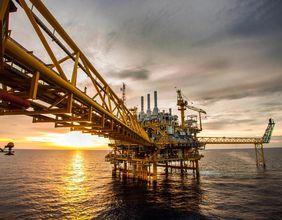
Global conflict has disrupted energy markets, triggering a surge in fuel costs across key regions. This has created immediate challenges for mining companies, where energy remains a critical input across operations, transportation, and processing.
Higher fuel costs can impact margins and operational efficiency. Additionally, concerns around fuel availability have raised questions about continuity in production and export activity if disruptions persist.
Such uncertainty often leads to cautious market behaviour, with sentiment-driven reactions influencing stock movements more than underlying fundamentals.
Energy Costs Emerge as a Key Headwind
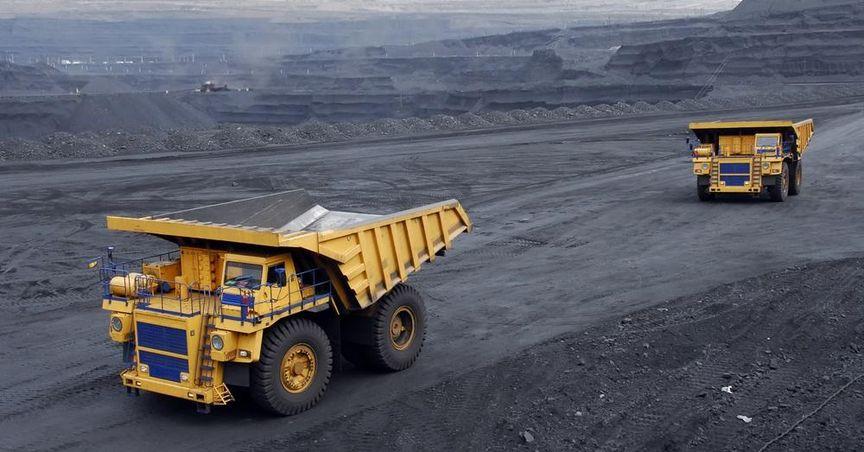
Mining operations are highly energy-intensive. From extraction to logistics, the sector depends heavily on stable fuel supply chains. The recent spike in oil and gas prices has therefore introduced a significant cost burden.
This challenge extends beyond mining, affecting industrial sectors globally. However, mining companies may find partial support from firm commodity prices, which have followed a strong trajectory over the past year.
Even so, the balance between rising input costs and commodity pricing remains a crucial factor in determining near-term performance.
Market Sentiment Reflects Short-Term Uncertainty
Periods of geopolitical instability often lead to emotional market responses. Investors tend to react quickly to uncertainty, which can result in sharp movements across sectors.
Mining stocks, having experienced strong gains previously, are particularly sensitive during such phases. Profit booking and risk aversion can amplify declines, even when long-term fundamentals remain unchanged.
This dynamic appears to be playing out across the ASX 100, which includes several of the market’s largest mining companies.
Long-Term Mining Cycle Remains Supportive
Despite current challenges, the broader outlook for mining remains constructive. Industry experts highlight multiple structural drivers supporting a new phase of commodity demand.
These include global infrastructure development, energy transition initiatives, and increasing demand for critical minerals. Unlike previous cycles, this phase is expected to be shaped by technological integration and sustainability considerations.
Australia continues to play a key role in this evolving landscape, with mining contributing significantly to economic growth.
Strong Industry Fundamentals Continue to Emerge
Recent data points to encouraging trends within the mining sector. Output levels have shown resilience, and exploration activity is gaining momentum across multiple commodities.
The sector has also emerged as a key contributor to economic expansion, outperforming several other industries in recent periods. This highlights the enduring importance of mining within the national economy.
Additionally, export performance remains robust, supported by steady global demand and strong production volumes.
Exploration Activity Signals Future Growth
One of the most notable developments in the sector is the rise in exploration spending. Increased investment in discovering new deposits suggests that companies are preparing for long-term supply needs.
Gold exploration has seen particularly strong activity, while broader commodity exploration also continues to expand. This trend indicates confidence in future demand and the need to replenish reserves.
Sustained exploration efforts are essential for maintaining production capacity, especially as existing resources gradually decline.
Technology Transforming the Mining Landscape
Technology is becoming a defining feature of the modern mining industry. The integration of artificial intelligence and data analytics is reshaping how companies approach exploration and operations.
Advanced data systems are enabling faster identification of mineral deposits, improving efficiency and reducing operational risks. Companies that adopt digital solutions are likely to enhance productivity and maintain a competitive edge.
This technological shift represents a key difference from earlier mining cycles, positioning the sector for more sustainable and efficient growth.
Performance of Key Mining Companies
Several major mining companies have experienced declines amid recent market conditions. However, these movements reflect broader sentiment rather than company-specific developments.
-
BHP Group Ltd (ASX:BHP) has seen its share price ease following the onset of geopolitical tensions.
-
Rio Tinto Ltd (ASX:RIO) has also moved lower, reflecting similar market pressures.
-
Northern Star Resources Ltd (ASX:NST), a major gold producer, has faced additional pressure following operational updates.
-
PLS Group Ltd (ASX:PLS), a key lithium player, has mirrored the broader sector trend.
These movements highlight how external factors can influence stock performance, even when underlying operations remain stable.
Role of Mining in Broader Market Indices
Mining companies form a substantial part of key indices such as the ASX 300, influencing overall market direction. Their performance often reflects global economic conditions, commodity cycles, and investor sentiment.
As a result, fluctuations in mining stocks can have a ripple effect across the broader market, impacting sectors beyond resources.
For those tracking income-focused strategies, ASX dividend stocks remain relevant, with mining companies often contributing during strong commodity cycles.
Outlook Remains Anchored in Structural Demand
Looking ahead, the mining sector continues to benefit from long-term demand drivers. The transition to cleaner energy, electrification, and infrastructure expansion are expected to sustain demand for key resources.
While short-term volatility may persist, these structural trends provide a foundation for future growth.
The current environment underscores the importance of balancing near-term risks with long-term opportunities, particularly in sectors closely tied to global developments.
The recent decline in mining stocks reflects a combination of geopolitical uncertainty and rising energy costs. However, the broader outlook remains supported by strong fundamentals, increasing exploration activity, and technological innovation.
As the sector adapts to evolving global conditions, its role in economic growth and resource supply is expected to remain significant.
