
 AUS
AUS
 NZ
NZ
 UK
UK
 CA
CA
 USA
USA
 IND
IND





Highlights
• Develop Global reflects operational progress within the mining sector.
• Earnings movement aligns with project development and production activity.
• Resource companies continue to influence the ASX 300 market structure.
Develop Global’s operational progress reflects mining sector dynamics, highlighting earnings movement and resource activity within the ASX 300 and broader Australian market.
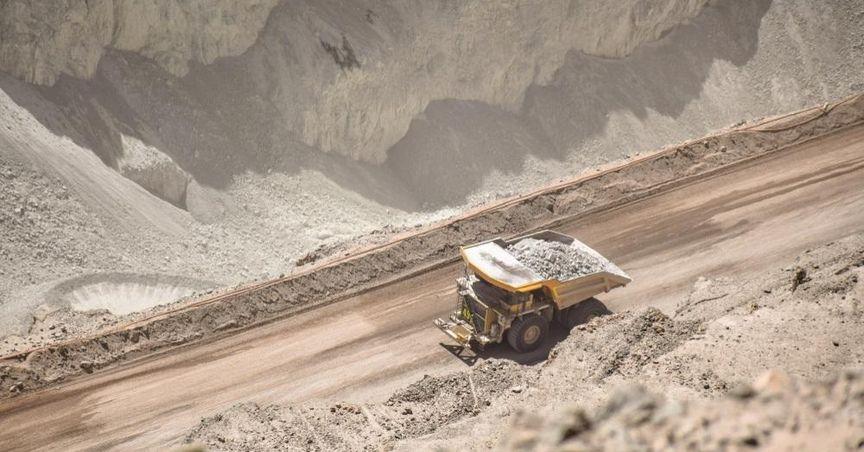
The mining sector represents a core component of Australia’s economic and financial landscape, encompassing companies engaged in exploration, development, and production of mineral resources. These organisations contribute to global supply chains by providing essential raw materials used in industrial manufacturing, infrastructure development, and technological applications. Within the Australian equity market, mining companies are prominently represented across indices such as the ASX 300 and the All Ordinaries, reflecting their significant role in shaping market composition and sectoral balance.
Mining operations are influenced by geological conditions, project development cycles, and global commodity demand. These factors determine how companies allocate resources, manage operations, and progress projects through various stages of development. The sector operates within a structured framework where exploration leads to feasibility studies, followed by development and eventual production activities.
Develop Global Limited (ASX:DVP) operates within this environment, focusing on resource development and operational execution. The company’s activities are connected to broader mining industry trends where production outcomes and project timelines influence financial performance. Resource companies such as Develop Global contribute to the overall strength and diversity of Australia’s equity market.
The mining sector continues to evolve as companies pursue operational efficiency, infrastructure development, and resource expansion, ensuring continued participation in global supply chains.
Operational Activities and Project Lifecycle
Mining companies undertake a wide range of operational activities that support the progression of projects through their lifecycle. Exploration represents the initial stage, involving geological surveys, mapping, and sampling to identify mineral deposits within prospective regions. These activities provide the foundation for further development by establishing the presence and characteristics of mineralisation.
Following exploration, feasibility assessments are conducted to evaluate whether a project can proceed to development. These assessments consider technical, logistical, and environmental factors, ensuring that mining operations can be carried out effectively. Companies must examine infrastructure requirements, access to resources, and operational planning before advancing to the next stage.
Project development involves constructing infrastructure such as processing facilities, transportation systems, and power supply networks. These elements are critical for enabling extraction and processing activities, ensuring that resources can be efficiently converted into usable materials.
Once a project reaches the production phase, companies focus on maintaining operational efficiency, managing costs, and ensuring consistent output. This stage represents the culmination of earlier efforts, where exploration and development activities translate into tangible production outcomes.
Operational activities across these stages are interconnected, with each phase contributing to the overall success of mining projects and the sustainability of resource operations.
Earnings Movement and Financial Performance
Earnings movement within mining companies reflects the relationship between operational activities and broader market conditions. Financial performance is shaped by production levels, cost management strategies, and the stage of project development within the mining lifecycle.
Companies in the development phase often allocate significant resources toward infrastructure and project advancement, which can influence financial outcomes. As projects transition into production, earnings may become more closely aligned with output levels and operational efficiency.
External factors also play a role in shaping financial performance, including global demand for commodities, supply chain conditions, and economic activity across industrial sectors. These elements influence how companies manage operations and allocate resources within their projects.
Mining companies operate within a financial environment that includes a variety of business models, ranging from exploration-focused organisations to established producers. Within broader market discussions, these companies are often referenced alongside categories such as ASX dividend stocks, reflecting the diversity of financial structures within the equity market.
The evaluation of earnings movement provides insight into how companies align their operational strategies with evolving market conditions, ensuring continued participation in the resource sector.
Resource Sector Contribution to Market Structure
The resource sector plays a central role in Australia’s equity market, contributing to economic activity through the extraction and development of mineral resources. Mining companies operate alongside industries such as financial services, healthcare, telecommunications, and consumer goods, creating a balanced and diversified market environment.
The inclusion of resource companies within indices such as the asx all ords highlights their importance within the national financial system. These indices provide a comprehensive representation of market composition, reflecting the diversity of industries operating within Australia’s economy.
Resource companies support global supply chains by providing materials used in manufacturing, construction, and technology. Their operations are closely linked to international markets, where demand for commodities influences production and trade.
The mining sector’s contribution extends beyond economic activity, supporting infrastructure development and industrial progress across multiple regions. Companies within this sector play a vital role in ensuring the availability of resources required for modern industries.
The continued presence of mining companies within major indices underscores their influence on market dynamics and their contribution to overall financial stability.
Market Dynamics and Sectoral Integration
Australia’s equity market operates as an interconnected system where developments across sectors influence broader market trends. The mining sector interacts with industries such as energy, technology, and infrastructure, creating a network of economic relationships that shape market activity.
Market dynamics are influenced by factors including global commodity demand, technological advancements, and regulatory frameworks. These elements affect how companies approach project development, operational planning, and strategic initiatives.
Sectoral integration reflects the interconnected nature of industries within the financial ecosystem. Mining companies provide raw materials that support production in other sectors, highlighting their role in sustaining industrial activity.
Indices such as the ASX 300 provide a comprehensive view of market structure, grouping companies across sectors to represent the overall composition of the equity market. These indices illustrate how different industries contribute to market performance and economic activity.
Corporate developments within the mining sector continue to shape market narratives, reflecting the ongoing importance of resource extraction within Australia’s financial landscape.
