
 AUS
AUS
 NZ
NZ
 UK
UK
 CA
CA
 USA
USA
 IND
IND






Highlights
- Lindian advances rare earth progress with low-radiation output
- Kangankunde project shows strong metallurgical outcomes
- Long-term storage benefits enhance downstream confidence
A detailed look at Lindian Resources' rare earth progress at Kangankunde, focusing on low-radiation output, strong metallurgical results, and its influence on the global rare earth supply landscape.
Lindian’s Low-Radiation Rare Earth Results Signal a Stronger ESG-Aligned Future
Lindian Resources (ASX:LIN) is drawing fresh industry attention after releasing metallurgical results from its Kangankunde rare earths project in Malawi. The announcement has resonated strongly across the broader ASX mining stocks landscape, especially as end-users and strategic partners continue to prioritise sustainability, consistency, and stable non-Chinese supply channels. The company emphasised improved recovery outcomes, notable low-radiation characteristics, and operational advantages that could reshape how downstream processors view long-term rare earth sourcing.
The update arrives at a time when global energy transition goals and critical mineral supply chains are under close watch. For regions engaged in renewable technology, advanced electronics, and magnet-driven industrial systems, dependable rare earth output has become a strategic priority. Kangankunde’s latest findings place Lindian in a more visible position within the future of this international supply network.
A New Step Forward for Rare Earth Recovery
Breakthrough Characteristics From the Metallurgical Results
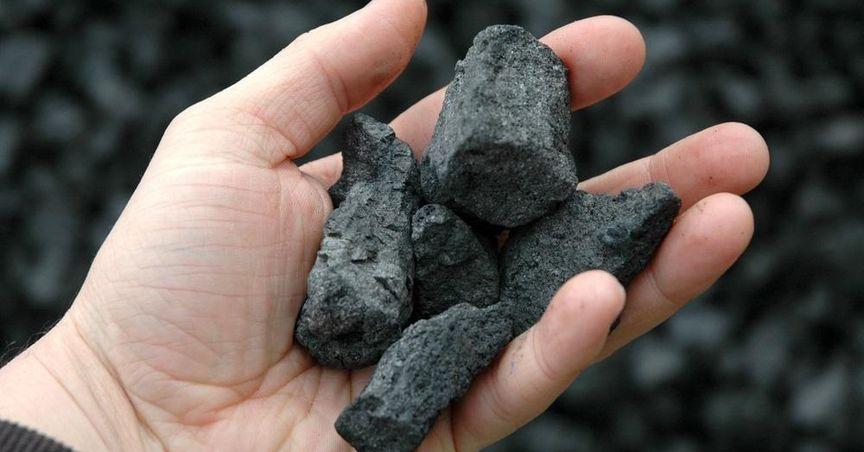
Lindian highlighted that its monazite concentrate from Kangankunde contains a high proportion of total rare earth oxides, with a notable component of neodymium-praseodymium—an essential ingredient for permanent magnets, which are used in wind turbines, electric mobility systems, and specialised industrial machinery.
The concentrate was processed using a sulphuric acid and water leach method, a technique broadly recognised within the sector due to its efficiency and familiarity among established rare earth operators. Through this methodology, Lindian achieved extraction outcomes that exceed what is commonly seen across the industry, reinforcing the resource’s quality and the project’s long-range strategic merit.
Low-Radiation Profile Strengthens ESG Confidence
A particularly significant highlight from the update is the confirmation that the mixed rare earth carbonate produced from the tests is classified as non-radioactive for transport. The company noted that uranium, thorium, and related radionuclides were found at such low levels that standard instruments did not detect them.
This finding matters for multiple reasons:
- It supports smoother transport logistics
- It reduces regulatory complexities
- It widens market access
- It aligns strongly with modern ESG frameworks
- It decreases long-term handling risks
In an environment where environmental and safety standards increasingly influence commercial partnerships, Kangankunde’s low-radiation profile offers clear advantages.
Why Kangankunde Stands Out in the Rare Earth Landscape
A Resource With a Long Operational Horizon
One standout aspect mentioned by Lindian is the extended resource life of Kangankunde. With rare earths being central to global technological expansion, a project capable of producing for many decades strengthens both regional and international supply security. The long horizon gives downstream processors and strategic partners confidence regarding future planning, capacity alignment, and technological development.
A ‘Non-Chinese’ Supply Contribution
China currently dominates global rare earth processing, and markets outside the country are increasingly seeking diversified supply options. Lindian’s update signals that Kangankunde could play a meaningful role in supplying material to customers seeking stable, responsibly sourced production from alternative jurisdictions.
A supply base with low-radiation output, high recovery performance, and a long operational lifespan positions Kangankunde as a noteworthy asset for global manufacturers striving for diversified procurement strategies.
How Low-Radiation Output Supports Long-Term Market Value
Reduced Transport Barriers
Rare earth concentrates and carbonates with elevated radioactive content often require strict regulatory handling under Class Seven dangerous goods classification. Lindian’s confirmation that its product does not require this classification removes a layer of operational complexity.
This influences:
- Freight cost structures
- Storage and packaging requirements
- Insurance considerations
- Cross-border movement compliance
Lower radioactivity also means that wares can move more freely through established commercial channels, enabling smoother engagement with global customers.
Extended Storage Life Without Degradation
One technical hurdle in the rare earth industry is the presence of radionuclides that affect shelf life and product stability. Lindian’s update specifically notes negligible levels of actinium-two-two-seven, a radionuclide known for complicating long-term handling. The result is a product that can be stored for extended periods without requiring specialised containment or generating radioactive waste.
This advantage appeals strongly to downstream processors who rely on predictable, stable product streams.
Processing Confidence Strengthening Future Project Economics
Optimised Test Work Underway
Lindian confirmed ongoing optimisation work to fine-tune reagent consumption and refine the overall processing pathway. Such work is essential in determining long-term operating profiles, capital requirements, and eventual downstream partnerships.
Fine-tuning processing steps is also critical for companies aiming to position themselves within competitive global markets where reliability, ESG performance, and streamlined logistics play major roles in customer engagement.
Where This Positions Lindian on the ASX
The rare earth update contributes to broader discussions surrounding critical mineral opportunities across the ASX stock market, particularly as investors and industry watchers assess long-term demand in sectors connected to electric mobility and clean energy.
Kangankunde’s profile now places Lindian among the noteworthy names contributing to discussions around the ASX100, ASX200, and ASX300 ecosystems as attention grows on critical minerals, technology metals, and projects positioned for multi-cycle relevance.
For participants monitoring ASX dividend stocks, rare earth producers may not traditionally fit the same category, yet their long-term growth potential often forms part of broader portfolio diversification discussions aligned with future-focused industries.
Kangankunde in the Global Context
The Expanding Requirement for NdPr
NdPr is widely recognised as one of the most crucial rare earth components powering renewable technologies and advanced electronics. Demand continues to strengthen as wind energy, robotics, and electric mobility systems expand their global footprint.
Kangankunde’s ability to produce a concentrate with a notable share of NdPr enhances its relevance in international supply chains increasingly shaped by energy transition demands.
Environmental, Social, and Governance Alignment
With global industries intensifying focus on sustainability, Kangankunde’s low-radiation characteristics become a core competitive strength. ESG-aligned supply chains are no longer viewed as optional; they are fundamental to long-term procurement strategies across industries such as automotive, energy, and technology manufacturing.
The project’s ability to produce a non-radioactive product simplifies compliance, strengthens community acceptance, and aligns with emerging global standards for responsible mineral extraction.
What Comes Next for Lindian and Kangankunde
Kangankunde’s recent test outcomes have elevated expectations regarding the project’s contribution to global rare earth supply. As optimisation continues, industry observers will be watching how Lindian structures its processing pathway, logistics plan, and downstream partnerships. A project with such strong metallurgical characteristics and a low-radiation profile stands well-placed to engage with international customers seeking long-term supply stability.
The next stages of development will likely focus on refining processing efficiency, mapping commercial routes, and consolidating operational strategies. The broader rare earths sector remains driven by strong global demand, diversification initiatives, and sustainable sourcing benchmarks—areas in which Kangankunde appears increasingly well aligned.
