
 AUS
AUS
 NZ
NZ
 UK
UK
 CA
CA
 USA
USA
 IND
IND







Highlights
Construction momentum strengthens at the Kangankunde rare earths project
Processing, infrastructure and site readiness advance in parallel
Strategic positioning grows within the broader ASX mining stocks space
Lindian’s Kangankunde project advances into active construction, strengthening its position within Australia’s mining landscape through infrastructure progress, technical validation and operational readiness.
The Australian resources landscape continues to evolve as development-stage miners progress critical assets, and attention across the ASX stock market increasingly centres on execution and delivery. Within this environment, Lindian Resources Limited (ASX:LIN) has advanced its Kangankunde Rare Earths Project in Malawi, transitioning from early groundwork into active construction and operational preparation. The update reflects a broader shift among ASX mining stocks toward tangible project milestones, supported by infrastructure build-out, technical validation and on-site mobilisation.
What is driving momentum at Kangankunde?
Kangankunde has moved beyond planning stages, with visible progress across processing, mining readiness and site infrastructure. The project is being developed as a fully integrated rare earths operation, with construction activity now established across multiple areas.
The focus remains on building a robust operational foundation that supports long-term production stability while aligning with global demand for critical minerals used in clean energy and advanced manufacturing.
How is the processing facility taking shape?
Processing plant development gains pace
A major step forward has been the awarding of the design-and-construct contract for the Stage One processing plant. This facility forms the operational core of the Kangankunde project and includes crushing, grinding, separation circuits and supporting utilities.
Engineering and planning activities are progressing alongside early civil works, ensuring that construction phases align with equipment delivery and commissioning schedules. The plant layout has also undergone refinement to improve throughput efficiency while maintaining alignment with previously outlined development parameters.
The design approach reflects a focus on scalability and operational flexibility, supporting future expansion opportunities as the project matures.
What progress has been made on site infrastructure?
Mining and logistics readiness improves
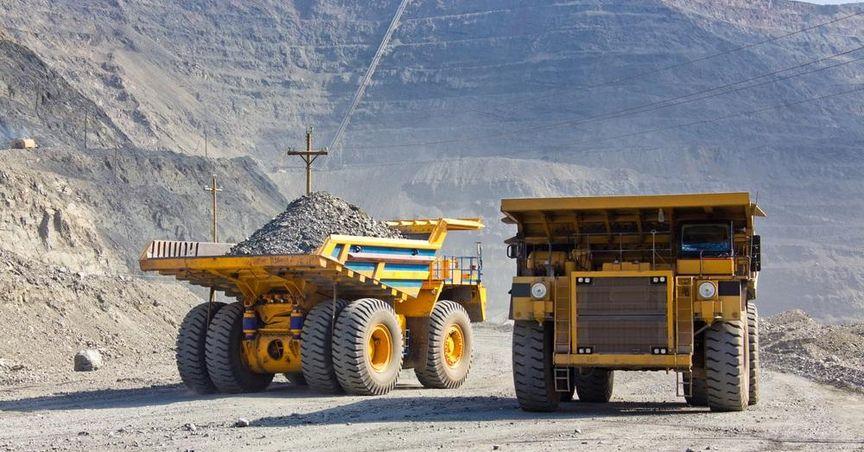
On the ground, the project has entered a more active phase with mobilisation of mining equipment and workforce facilities. The arrival of owner-operated machinery marks a shift toward operational independence, providing greater control over productivity, safety and scheduling.
Work on accommodation facilities is also well advanced. The site camp is being developed to support the growing workforce and includes essential services to enable sustained construction activity. Earthworks, foundations and structural builds are progressing simultaneously to ensure readiness as activity levels increase.
How is non-process infrastructure supporting development?
Infrastructure build reduces execution risk
Beyond the processing plant, key non-process infrastructure has been prioritised to support long-term operations. This includes:
-
Power and energy infrastructure
-
Maintenance and workshop facilities
-
Administrative buildings
-
Fuel storage and handling systems
-
Tailings and site services
The coordinated rollout of these components reduces execution risk by ensuring that supporting systems are operational alongside core processing facilities. This integrated approach aligns with best practices across major ASX ordinaries stocks operating in the resources sector.
What does full project ownership mean for progress?
Strategic control strengthens development pathway
The consolidation of full ownership in the Kangankunde project represents a pivotal step in the company’s growth trajectory. Complete control allows for streamlined decision-making, unified development planning and clearer alignment between capital deployment and operational outcomes.
This structure also strengthens the project’s positioning in discussions surrounding supply chain security, particularly as rare earths continue to gain importance across global manufacturing and technology sectors.
How does metallurgical testing support future production?
Processing results confirm technical viability
Recent metallurgical work has confirmed that Kangankunde material can be processed using conventional methods to produce high-grade rare earth concentrates. Test results demonstrated strong recoveries and low impurity levels, supporting the potential for efficient downstream processing.
These outcomes reduce technical risk and enhance the project’s attractiveness as a long-term supplier of critical minerals. Ongoing testing is focused on refining processing pathways and improving overall recovery efficiency.
What role does exploration play moving forward?
Exploration adds depth to development outlook
Exploration activity has continued alongside construction, with drilling programs targeting nearby mineralisation zones. These efforts aim to expand geological understanding and potentially enhance the project’s resource base.
Early exploration progress supports the broader development strategy by identifying opportunities for future expansion and improved mine planning.
How does Kangankunde fit into the broader market landscape?
The project’s advancement reflects wider trends across the ASX stock market, where resource developers are increasingly prioritising execution readiness and operational certainty. Rare earths remain a key focus due to their importance in energy transition technologies, electric mobility and advanced manufacturing.
Within this context, Kangankunde’s progress aligns with growing interest across ASX dividend stocks and materials-focused listings seeking long-term value through stable production pathways.
Why infrastructure readiness matters for long-term growth
Successful mining operations depend not only on resource quality but also on infrastructure reliability. The coordinated development of power, transport, processing and accommodation facilities ensures operational continuity and supports future scaling.
By advancing these elements in parallel, the project reduces the risk of bottlenecks during commissioning and early operations.
Outlook for the project’s next phase
With construction activity intensifying and technical milestones being achieved, the focus now shifts to execution consistency and operational delivery. The groundwork laid across engineering, logistics and processing provides a strong base for the next phase of development.
As global demand for rare earth materials continues to rise, projects that demonstrate readiness and reliability are positioned to play an increasingly important role within the sector.
