
 AUS
AUS
 NZ
NZ
 UK
UK
 CA
CA
 USA
USA
 IND
IND





Highlights
Perseus Mining reflects gold sector developments within Australian equities.
Production activity highlights operational strength in mining segment.
Resource sector trends contribute to broader market composition.
Perseus Mining reflects gold sector activity within the ASX 200 and ASX 300, highlighting how production developments and commodity trends shape Australian resource-driven equities.
The resources sector continues to play a defining role within Australian equities, particularly through companies engaged in gold exploration, development, and production. Within indices such as the ASX 200, ASX 300, gold producers represent a key segment that reflects both operational output and commodity-driven activity. These companies operate across various international regions, contributing to global gold supply while maintaining a strong presence in Australian market indices.
Perseus Mining Limited (ASX:PRU) operates within this gold-focused segment, with activities centred on mining operations and production output across its project portfolio. The company’s presence highlights the importance of gold producers within the broader mining landscape, where operational developments and output levels shape sector narratives. Gold mining companies often draw attention due to their role in commodity markets and their contribution to resource sector dynamics.
The gold sector’s position within Australian equities is influenced by global demand for precious metals, operational performance, and ongoing developments across mining projects. This framework contributes to the evolving structure of the resource segment within the broader equity market.
Production Activity and Operational Developments
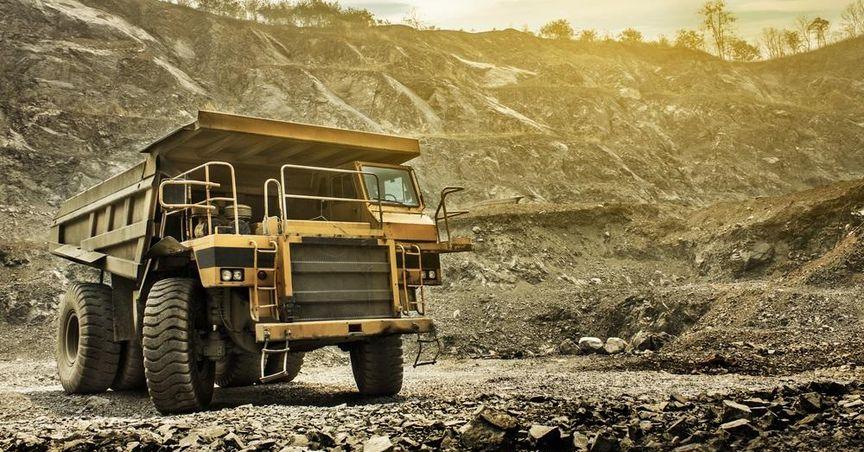
Perseus Mining has continued to focus on production output across its mining operations, reflecting the importance of consistent operational activity within the gold sector. Production levels within mining companies are influenced by factors such as ore quality, processing efficiency, and infrastructure capabilities.
Mining operations involve multiple stages, including extraction, processing, and refining, each contributing to overall output. Companies engaged in gold production often prioritise operational efficiency to maintain steady output across their project portfolio. These activities require coordination across technical teams, equipment management, and logistical frameworks.
Operational developments within mining companies highlight how projects evolve over time, with improvements in processes and infrastructure supporting production activity. These developments contribute to the representation of gold producers within indices such as the asx all ords, reflecting how sector performance influences broader market trends.
The continuity of production activity underscores the importance of operational discipline within the resource sector, where companies maintain output levels across changing conditions.
Commodity Dynamics and Market Environment
The gold sector operates within a global commodity environment shaped by industrial demand, economic conditions, and international trade activity. Gold remains a widely recognised commodity, used across various industries and often associated with financial markets.
Companies such as Perseus Mining contribute to this global supply chain by maintaining production across their mining operations. Their activities reflect how gold producers respond to broader commodity trends and evolving market conditions.
Commodity dynamics are influenced by global developments, including economic activity and shifts in industrial demand. These factors contribute to the evolving nature of the gold sector, where companies align their operations with broader market conditions.
Within the Australian equity market, the inclusion of gold producers within the ASX 300 highlights their role in shaping sector composition. This representation reflects the importance of resource companies in contributing to overall market activity.
Sector Diversification and Equity Market Structure
The Australian equity market is characterised by a diverse range of sectors, including resources, financials, healthcare, and technology. This diversity supports a balanced representation of economic activity, allowing different industries to contribute to overall market structure.
Gold producers such as Perseus Mining operate within this diversified framework, complementing other segments of the resource sector. Their activities highlight the range of commodities represented within Australian equities, reflecting the complexity of the market environment.
In addition to resource companies, thematic segments such as ASX dividend stocks contribute to the broader equity landscape. These segments reflect varying approaches to market participation and capital allocation, adding depth to the overall structure of the market.
The combination of multiple sectors underscores how different industries interact within the equity market, shaping trends and contributing to the evolving composition of Australian equities.
Evolving Trends in Gold Mining and Market Activity
The gold mining sector continues to evolve as companies adapt to changes in operational practices, technological advancements, and global developments. Production-focused companies remain central to this evolution, maintaining output while refining operational processes.
Perseus Mining’s production activity reflects these broader trends, highlighting how mining companies maintain continuity in output while navigating evolving industry conditions. Developments in processing efficiency, infrastructure, and project management contribute to the ongoing transformation of the gold sector.
Market composition continues to shift as sectors respond to global influences and domestic developments. The inclusion of gold producers within indices such as the asx all ords highlights their role in shaping the overall equity landscape.
The interaction between commodity production and broader market trends underscores the dynamic nature of Australian equities. Companies across sectors contribute to ongoing developments, reflecting the evolving structure of the market.
