
 AUS
AUS
 NZ
NZ
 UK
UK
 CA
CA
 USA
USA
 IND
IND






Highlights
Ore haulage begins from British Hill deposit
Lake Johnston facility moves closer to commissioning
Strategic logistics partnership strengthens regional access
Forrestania Resources has taken a key step toward gold production with ore transport underway and processing infrastructure nearing readiness, signalling operational progress within its broader development strategy.
A Defining Moment for Forrestania (FRS)
Forrestania (ASX:FRS) has reached a noteworthy milestone with the commencement of ore haulage from its British Hill deposit to the Lake Johnston processing facility. This development signals a transition from exploration and development activities toward an operational phase, placing the company on a new trajectory within Australia’s gold sector.
In the broader context of the Australian mining landscape, such progress reflects the evolving dynamics seen across indices like the ASX 200, where resource-focused companies continue to shape market narratives. This advancement aligns with an ongoing shift, as operational readiness becomes a key differentiator among emerging producers.
From Resource Development to Operational Execution
Ore Haulage Signals Progress
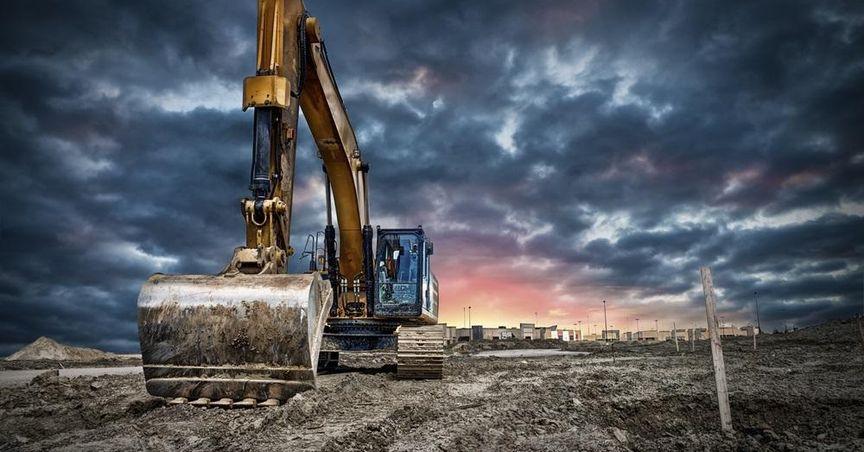
The initiation of ore transport from British Hill represents more than a logistical step—it demonstrates that groundwork completed over time is now translating into tangible movement. Haulage operations connect the deposit directly with processing infrastructure, bridging the gap between resource extraction and value generation.
This phase is often viewed as a turning point for mining companies, where planning and capital investment begin to converge into operational output. It reflects a steady progression toward establishing a consistent production cycle and building operational momentum.
Lake Johnston Facility Nears Completion
At the heart of this transition lies the Lake Johnston processing facility, which is undergoing refurbishment. The site is being prepared to handle substantial volumes of ore, positioning it as a central processing hub within the company’s asset portfolio.
The scale of the facility suggests long-term intent. Once operational, it is designed not only to process internal resources but also to accommodate material from external sources. This dual capability could enhance its role as a regional asset, adding flexibility and operational depth.
The broader mining ecosystem, including segments tracked by the ASX 300, often highlights the importance of such infrastructure. Processing capacity can influence project timelines, operational efficiency, and regional collaboration.
Strategic Infrastructure and Regional Collaboration
Partnership with the Shire of Dundas
A notable aspect of this development is the collaboration between the company and the Shire of Dundas. This partnership focuses on improving the transport route used for ore haulage, particularly along the Hyden–Norseman Road.
The initiative incorporates a backloading approach, where materials transported during return trips are used to strengthen sections of the road. This not only supports mining operations but also contributes to regional infrastructure enhancement.
Such partnerships underline the interconnected nature of resource projects and local communities. Improved transport networks benefit both industrial activity and regional connectivity, creating shared value.
Enhancing Logistics Efficiency
Efficient logistics play a crucial role in mining operations, particularly in remote regions. By addressing road conditions and transport routes, the company is laying the groundwork for smoother and more reliable operations.
This focus on logistics aligns with broader industry practices, where infrastructure investments are often integrated into project planning. Companies operating within indices like the ASX 100 frequently demonstrate how logistical efficiency can influence long-term performance.
Building a Regional Processing Hub
Long-Term Vision for Lake Johnston
The Lake Johnston facility is positioned as more than a single-project asset. Its design supports a broader vision of becoming a regional processing hub, capable of handling ore from multiple sources.
This approach reflects a strategic outlook that extends beyond immediate production goals. By creating infrastructure that can serve a wider network, operational resilience and adaptability may be strengthened over time.
Supporting External Opportunities
The ability to process third-party ore introduces additional dimensions to operations. It opens pathways for collaboration with other mining entities and may contribute to regional resource development.
In a market where diversification and flexibility are increasingly valued, such capabilities can play a significant role. This is particularly relevant in sectors associated with ASX dividend stocks, where stable operations often underpin consistent performance narratives.
Market Context and Industry Positioning
Aligning with Sector Trends
The Australian gold sector continues to evolve, shaped by changing demand patterns, operational strategies, and technological advancements. The latest developments highlight a shift from exploration-driven activity to operational execution, a transition that often defines growth phases in the mining industry.
Infrastructure as a Competitive Edge
Infrastructure remains a critical factor in determining the efficiency and scalability of mining operations. By investing in processing facilities and transport routes, the groundwork is being set to support sustained activity and operational continuity.
This focus may influence how future opportunities are approached, particularly in a competitive environment where infrastructure capabilities can set companies apart.
The commencement of ore haulage and the ongoing refurbishment of the Lake Johnston facility together mark a significant phase in the company’s journey. These developments suggest that foundational work is translating into operational readiness.
As the facility moves closer to full commissioning, attention is likely to shift toward production outcomes and operational consistency. The ability to integrate logistics, processing, and regional collaboration will play a central role in shaping the next stage of development.
The latest progress reflects a pivotal stage marked by the start of ore haulage and steady advancement at the processing facility. These steps indicate a transition toward a more active operational phase, supported by strategic infrastructure and regional partnerships.
Developments at British Hill and Lake Johnston highlight a broader commitment to building a scalable and sustainable mining operation. Continued focus on logistics, processing capacity, and collaboration is expected to influence its positioning within Australia’s gold sector.
