
 AUS
AUS
 NZ
NZ
 UK
UK
 CA
CA
 USA
USA
 IND
IND






Highlights
Kasiya project study outlines long-term production outlook
Strategic minerals draw global supply chain attention
Offtake agreements support early-stage visibility
Sovereign Metals advances its Kasiya project with a comprehensive study, highlighting scale, strategic mineral exposure, and growing global interest in critical resources.
The momentum around Sovereign Metals Ltd (ASX:SVM) has gathered pace following the release of a detailed feasibility study for its Kasiya project in Malawi. Positioned within the broader landscape of the ASX 100, the development reflects how resource-focused companies are aligning with evolving global demand for critical minerals.
The latest update offers deeper insights into project economics, production capacity, and long-term viability, drawing attention from market participants tracking the evolving dynamics of industrial minerals and energy transition resources.
Understanding the Kasiya Project
A Large-Scale Mineral Resource
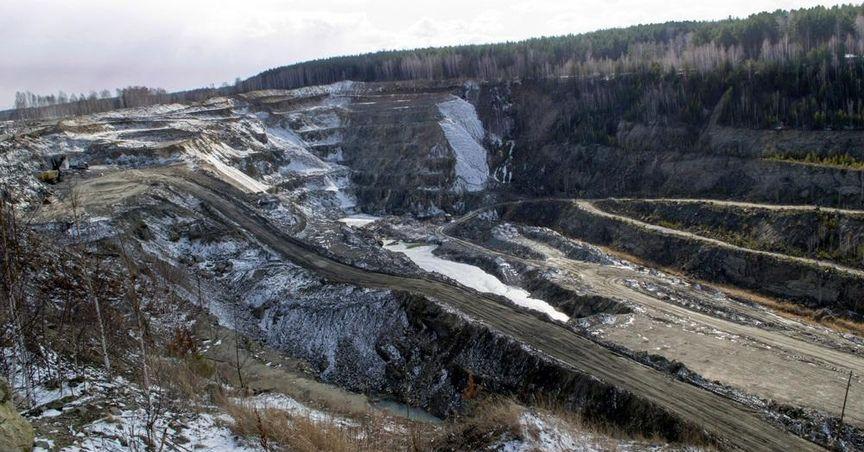
Kasiya stands out as a globally significant deposit, hosting one of the largest known natural rutile resources alongside a substantial flake graphite reserve. These minerals are essential inputs across multiple industries, including aerospace, renewable energy, and advanced manufacturing.
Rutile, a primary source of titanium, is widely used in pigments and high-performance alloys, while graphite plays a key role in battery technologies, especially in electric mobility and energy storage systems.
Long-Term Production Outlook
The feasibility study outlines a long operational lifespan, supported by steady production expectations once the project reaches full capacity. This long horizon provides a degree of continuity, which is often valued in large-scale mining operations.
The combination of rutile and graphite output places Kasiya in a unique position, offering exposure to both traditional industrial demand and emerging clean energy applications.
Strategic Backing and Technical Oversight
The development of Kasiya has benefited from technical input associated with Rio Tinto Ltd (LSE:RIO), one of the global leaders in mining. Such involvement adds a layer of credibility to the project’s technical framework and operational planning.
This collaboration reflects a broader trend within the mining sector, where partnerships and technical alliances play a crucial role in advancing complex projects from concept to execution.
Growing Importance of Critical Minerals
Global Supply Chain Dynamics
Rutile and graphite are increasingly classified as critical minerals by major economies. These classifications stem from their essential role in industrial processes and concerns over supply concentration.
The global supply of titanium remains heavily dependent on a limited number of producers. At the same time, demand continues to rise across sectors such as construction, defence, and renewable technologies.
Graphite has become a focal point in the transition toward electrification. As battery production scales up globally, securing reliable graphite supply chains has become a priority for manufacturers and policymakers alike.
Policy and Market Implications
The strategic classification of these minerals has led to increased policy attention, including efforts to diversify supply sources and reduce dependency on specific regions. Projects like Kasiya are emerging as part of this broader shift, offering alternative supply avenues.
This evolving landscape also influences how resource companies are positioned within indices such as the ASX 200, where exposure to critical minerals has become a key theme.
Offtake Agreements and Market Alignment
Early Commercial Engagement
Sovereign Metals has secured non-binding offtake agreements covering a substantial share of initial rutile and graphite output. These agreements involve established trading and commodity firms, indicating early-stage commercial interest in the project’s output.
Offtake arrangements are often seen as a positive signal in the mining sector, as they provide visibility on future demand and support project financing discussions.
Strengthening Market Confidence
The presence of such agreements reflects alignment between Kasiya’s production profile and global market needs. It also highlights the growing appetite for secure and diversified sources of critical minerals.
Additional Resource Opportunities
Rare Earth Elements
Beyond rutile and graphite, the Kasiya project also contains monazite, a mineral associated with rare earth elements such as dysprosium, terbium, and yttrium. These elements are widely used in high-tech applications, including electronics and renewable energy systems.
The presence of monazite introduces an additional dimension to the project, offering scope for further evaluation as a separate revenue stream.
Expanding Resource Value
The inclusion of rare earth elements aligns with broader trends within the mining industry, where multi-commodity projects are gaining attention for their diversified output and resilience to market fluctuations.
Such diversification can also enhance the project’s relevance within broader market segments, including the ASX 300, where investors often track emerging growth themes.
Financial and Operational Insights
Project Economics
The feasibility study outlines a strong economic framework, supported by projected revenue streams and operational efficiencies. The broader takeaway lies in its long-term sustainability and cost structure.
The balance between capital investment and anticipated cash flow reflects careful planning, aimed at ensuring the project remains viable across different market conditions.
Operational Efficiency
The study also emphasises steady-state operations, focusing on consistent output and cost management over the life of the mine. This approach is essential for maintaining competitiveness in the global minerals market.
Broader Market Context
Resource Sector Evolution
The development of Kasiya comes at a time when the resource sector is undergoing significant transformation. The shift toward cleaner energy and advanced technologies is reshaping demand patterns, placing greater emphasis on minerals like rutile and graphite.
Companies operating in this space are increasingly aligning their strategies with these trends, positioning themselves to benefit from long-term structural changes.
Investor Perspective
From an investor standpoint, projects like Kasiya contribute to the diversification of resource portfolios. They also offer exposure to themes such as electrification, sustainability, and supply chain resilience.
This aligns with the growing interest in sectors linked to ASX dividend stocks, where stable cash flow and long-term production visibility are key considerations.
Future Outlook
Project Development Path
The completion of the feasibility study marks an important milestone in the project’s journey. The next phases are expected to focus on securing financing, advancing regulatory approvals, and preparing for construction.
Each of these steps will play a crucial role in determining the timeline and execution of the project.
Industry Relevance
As global demand for critical minerals continues to evolve, projects like Kasiya are likely to remain in focus. Their ability to contribute to diversified supply chains and support emerging technologies positions them as key assets within the mining sector.
Sovereign Metals Ltd (SVM) has taken a significant step forward with the release of its Kasiya feasibility study. The project’s scale, resource diversity, and alignment with global demand trends underscore its relevance in the current market environment.
With growing emphasis on critical minerals and supply chain resilience, Kasiya reflects the broader transformation underway within the resource sector, where innovation, sustainability, and strategic positioning are shaping the future.
