
 AUS
AUS
 NZ
NZ
 UK
UK
 CA
CA
 USA
USA
 IND
IND






Highlights
• Sovereign Metals advances Kasiya project with expanded mineral resource base.
• Rutile and graphite assets strengthen positioning in critical minerals supply chains.
• Resource sector activity continues to influence the Australian equity landscape.
Sovereign Metals advances the Kasiya project with expanded rutile and graphite resources, reinforcing the role of critical minerals within the All Ordinaries and Australia’s resource sector.
The critical minerals sector forms a specialised segment within the broader mining industry, focusing on materials essential for industrial applications, advanced manufacturing, and energy technologies. Companies operating in this space conduct exploration and development programs aimed at identifying and expanding mineral deposits that support global supply chains. Within Australia’s financial ecosystem, resource companies play a central role and are represented across indices such as the All Ordinaries, reflecting the significance of mining activities within the national market structure.
Exploration and development activities in this sector are often centred on minerals such as rutile and graphite, which are widely used across industrial and technological processes. These minerals are integral to applications including coatings, pigments, energy systems, and specialised materials. The continued development of these resources is closely linked to infrastructure, manufacturing, and evolving industrial demand.
Sovereign Metals Ltd (ASX:SVM) operates within this sector, focusing on the development of its Kasiya project, which is associated with rutile and graphite mineralisation. The company’s activities are aligned with the broader objective of expanding resource bases and advancing project development within mineral-rich regions.
The role of exploration companies extends beyond resource identification, encompassing the evaluation of geological structures, environmental considerations, and logistical planning required for future operations. These processes contribute to the overall lifecycle of mining projects within the resource sector.
Kasiya Project and Resource Development
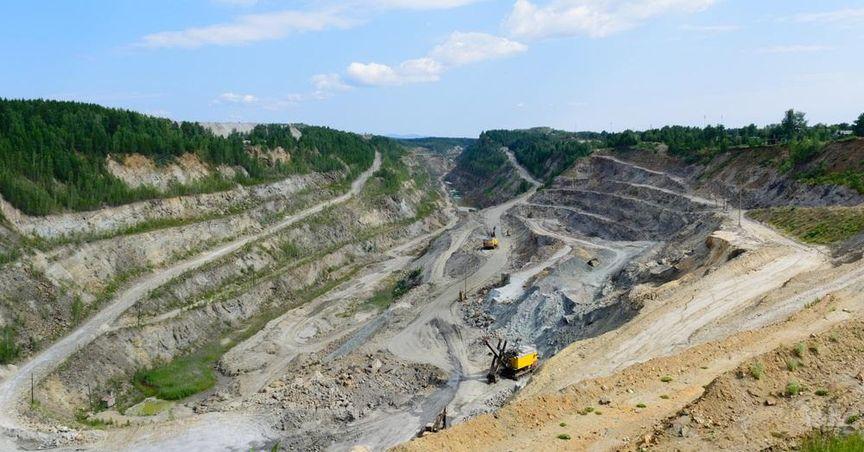
The Kasiya project represents a significant development within the critical minerals space, with exploration efforts focused on identifying and expanding mineralisation across a defined project area. Resource expansion programs typically involve detailed geological mapping, sampling, and drilling activities designed to evaluate the extent of mineral deposits.
Geological studies conducted within project areas examine soil composition, rock formations, and subsurface structures to determine the distribution of minerals. These studies provide essential data that supports the classification of resources and guides further exploration activities.
Resource expansion is a key stage in project development, as it provides a clearer understanding of the scale and characteristics of mineral deposits. This information supports planning for potential extraction, processing, and transportation infrastructure required to support mining operations.
Projects such as Kasiya are often evaluated in the context of global supply chains, where minerals such as rutile and graphite are used across various industries. The development of such projects contributes to the availability of raw materials required for manufacturing and industrial applications.
The progression of exploration activities into development stages reflects the structured approach taken by mining companies to advance projects from initial discovery through to operational planning.
Rutile and Graphite in Industrial Applications
Rutile and graphite are critical minerals with widespread applications across industrial sectors. Rutile, primarily composed of titanium dioxide, is used in the production of pigments, coatings, and materials that require durability and resistance to environmental conditions. It also plays a role in aerospace and industrial manufacturing due to its material properties.
Graphite is widely used in energy storage technologies, including batteries that support electronic devices and energy systems. Its conductive properties make it suitable for applications in electrical components and industrial processes.
The demand for these minerals is linked to industrial activity, infrastructure development, and technological advancement. Mining companies focus on identifying deposits that can support these supply chains, ensuring the availability of raw materials for manufacturing processes.
The integration of these minerals into global supply chains highlights the interconnected nature of resource extraction and industrial production. Companies operating within this space contribute to the broader ecosystem that supports technological and industrial development.
Within financial discussions, resource companies are often referenced alongside categories such as ASX dividend stocks, reflecting the diversity of business models operating within the market.
Exploration Techniques and Geological Evaluation
Exploration programs involve a combination of fieldwork, laboratory analysis, and technological tools designed to identify and evaluate mineral deposits. Geological mapping forms the foundation of these programs, allowing scientists to study surface features and identify structures associated with mineralisation.
Sampling activities involve collecting soil and rock specimens from various locations within the project area. These samples are analysed to determine mineral composition and concentration levels, providing insights into the potential presence of valuable resources.
Geophysical surveys are also used to examine subsurface formations, generating data on underground structures without the need for extensive excavation. These surveys help identify areas that may warrant further investigation through drilling programs.
Drilling activities involve extracting core samples from underground formations, allowing for detailed examination of mineralisation at different depths. These samples provide critical information about the distribution and quality of mineral deposits.
The data generated through these techniques supports decision-making processes related to project development, infrastructure planning, and operational strategies. Exploration therefore represents a critical stage in the lifecycle of mining projects.
Resource Sector Role in Australia’s Market Landscape
The resource sector remains a central component of Australia’s equity market, contributing to economic activity through exploration, development, and production of mineral resources. Mining companies operate within a broader financial ecosystem that includes industries such as financial services, healthcare, telecommunications, and consumer goods.
The inclusion of resource companies within indices such as the asx all ords highlights their importance within the national market structure. These indices provide a representation of the diverse industries that contribute to Australia’s economic landscape.
Resource companies support global supply chains by providing raw materials used in manufacturing and industrial processes. Their operations are closely linked to international markets, where demand for commodities influences production and trade.
The development of projects such as Kasiya reflects ongoing activity within the sector, where companies continue to explore and expand mineral resources. These activities contribute to the broader narrative of resource development within Australia’s equity market.
Corporate activity within the resource sector is influenced by a range of factors, including geological conditions, regulatory frameworks, and market dynamics. These elements shape the progression of projects and the overall structure of the industry.
