
 AUS
AUS
 NZ
NZ
 UK
UK
 CA
CA
 USA
USA
 IND
IND






Highlights
• Volt Resources restarts operations at Zavalievsky graphite refinery.
• Processing facility activity reflects developments in graphite supply chain.
• Resource sector engagement highlights industrial mineral applications.
Volt Resources resumes operations at its Zavalievsky graphite refinery, highlighting industrial mineral processing activity and supply chain developments within the All Ordinaries market landscape.
The materials and mining sector represents a fundamental component of Australia’s financial ecosystem, incorporating companies involved in the exploration, processing, and distribution of mineral resources. Within this sector, industrial minerals such as graphite play a significant role in supporting manufacturing, energy storage, and technological applications. Companies operating in this space are represented across indices such as the All Ordinaries, reflecting their contribution to the broader equity market and global supply chains.
Volt Resources Ltd (ASX:VRC) operates within this sector, focusing on graphite production and processing activities across international locations. The company’s operational portfolio includes projects associated with graphite extraction and refining, supporting industrial applications that require specialised carbon-based materials. The restart of operations at the Zavalievsky graphite refinery marks a development within its processing activities, reflecting engagement in the industrial minerals segment.
Industrial mineral companies are characterised by their involvement in supply chains that extend across extraction, processing, and distribution stages. These operations require coordination between mining sites, processing facilities, and end-use industries, contributing to the overall structure of the materials sector.
Zavalievsky Graphite Refinery and Operational Restart
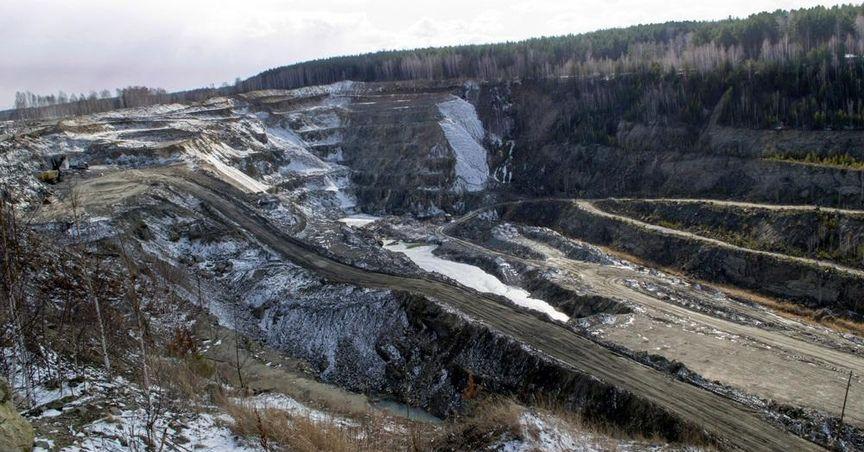
The Zavalievsky graphite refinery represents a key asset within Volt Resources’ operational portfolio, located in a region associated with established graphite processing activities. The facility is designed to process graphite into forms suitable for industrial and technological applications, supporting supply chains that rely on refined carbon materials.
The restart of operations at the refinery reflects the resumption of processing activities following a period of inactivity. Such developments are associated with operational planning, maintenance processes, and alignment with broader supply chain requirements. Processing facilities play a central role in converting raw materials into usable products, enabling their integration into various industrial applications.
Graphite processing involves multiple stages, including crushing, purification, and classification processes that produce materials suitable for specific uses. These processes are conducted within controlled environments to ensure consistency and quality of the final product. The Zavalievsky facility contributes to these activities by providing processing capacity within the graphite supply chain.
The operational restart also reflects the broader dynamics of industrial mineral processing, where facilities are periodically adjusted in response to operational conditions, maintenance requirements, and supply chain considerations. These adjustments form part of the ongoing management of processing assets within the materials sector.
Graphite Applications and Supply Chain Integration
Graphite is a versatile industrial mineral with applications across a wide range of sectors, including energy storage, electronics, and manufacturing. Its properties, such as electrical conductivity and thermal stability, make it suitable for use in batteries, lubricants, and refractory materials. The processing of graphite into refined forms enables its integration into these applications.
The supply chain for graphite involves extraction from mining sites, processing at specialised facilities, and distribution to end-use industries. Each stage of this chain contributes to the transformation of raw materials into products that support industrial processes. Companies engaged in graphite production and processing play a role in maintaining the flow of materials across these stages.
The Zavalievsky refinery contributes to this supply chain by processing graphite into forms required by industrial users. The facility’s operations support the conversion of raw graphite into refined products that meet specific application requirements. This integration highlights the importance of processing infrastructure within the industrial minerals sector.
Within the broader financial context, activities within the materials sector are reflected in discussions surrounding indices such as the asx all ords, illustrating the diversity of industries contributing to Australia’s equity market.
Operational Environment and Regional Context
The operational environment surrounding the Zavalievsky refinery involves a combination of industrial infrastructure, regulatory frameworks, and logistical systems that support processing activities. Facilities operating within this environment must adhere to industry standards related to safety, environmental management, and operational efficiency.
Regional factors, including access to transportation networks and proximity to supply sources, play a role in the functioning of processing facilities. These elements enable the movement of raw materials to processing sites and the distribution of refined products to end users. The Zavalievsky facility operates within such a framework, supporting its role within the graphite supply chain.
Processing facilities also require ongoing maintenance and operational management to ensure consistent performance. The restart of operations typically involves preparation activities that address equipment functionality, workforce readiness, and compliance with regulatory requirements. These processes contribute to the continuity of operations within the materials sector.
The presence of graphite processing facilities within international regions reflects the global nature of industrial mineral supply chains. Companies operating in this space engage with multiple markets, supporting the distribution of materials across different geographic areas.
Within Australia’s financial ecosystem, companies involved in industrial mineral processing may also be referenced in discussions related to ASX dividend stocks, depending on their operational and financial structures.
Sector Developments and Industrial Mineral Activity
The industrial minerals segment continues to play a significant role within the broader materials sector, supporting applications across manufacturing, energy, and technology industries. Developments within this segment include operational updates, facility activities, and supply chain adjustments that contribute to sector dynamics.
Volt Resources’ restart of the Zavalievsky refinery reflects ongoing activity within the graphite processing segment, highlighting the role of operational facilities in maintaining supply chains. Processing assets form a key component of industrial mineral operations, enabling the transformation of raw materials into usable products.
Sector developments are influenced by factors such as technological advancements, regulatory frameworks, and industrial demand for materials. Companies operating within this space adapt to these conditions through operational adjustments and infrastructure management.
The integration of processing facilities within global supply chains underscores the interconnected nature of the materials sector. Activities at individual facilities contribute to broader industry operations, supporting the flow of materials across various stages of production and distribution.
Within Australia’s equity market, the presence of industrial mineral companies contributes to a diversified sectoral composition, reflecting the importance of materials in the broader economic landscape. Corporate updates, including operational restarts and facility activities, provide insights into sector trends and company operations.
The continued engagement of companies within the graphite processing segment highlights the role of industrial minerals in supporting modern technologies and manufacturing processes across global markets.
