
 AUS
AUS
 NZ
NZ
 UK
UK
 CA
CA
 USA
USA
 IND
IND




Highlights
- Iron ore prices remain under pressure as elevated Chinese stockpiles and expanding global supply reshape market sentiment.
- Fortescue, BHP and Rio Tinto continue attracting attention as iron ore remains central to Australia's mining industry.
- Chinese steel demand and future supply trends remain key drivers for the broader commodity outlook.
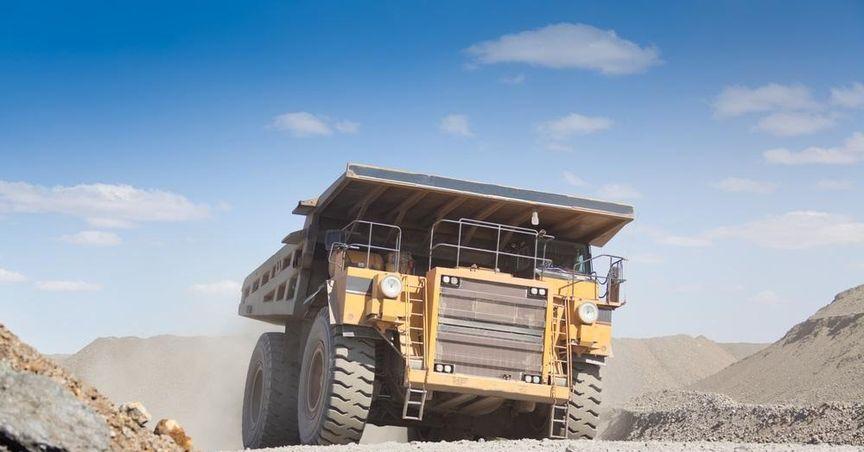
Iron ore has returned to the spotlight as softer pricing renews attention across Australia's largest mining companies. Elevated inventories at Chinese ports, together with expectations of increasing global production, continue weighing on the commodity that supports much of Australia's resource sector. Fortescue Ltd (ASX:FMG), BHP Group Ltd (ASX:BHP) and Rio Tinto Ltd (ASX:RIO) remain central to this evolving market as iron ore continues shaping performance across the ASX 200 . The latest developments also reinforce growing interest across ASX Metal & Mining Stocks as market participants monitor changing supply and demand dynamics.
Iron ore remains the foundation of Australia's mining industry
Iron ore continues serving as Australia's most important export commodity and remains a key driver of the country's mining sector.
Changes in iron ore prices often influence sentiment across Australia's largest resource companies because the commodity contributes significantly to production activity and export performance.
Although commodity markets naturally experience changing cycles, iron ore remains one of the most closely followed industrial resources globally.
Chinese stockpiles continue shaping market sentiment
China remains the world's largest consumer of iron ore through its extensive steel industry.
Port inventories provide an important indication of how supply and demand are balancing across the market.
Higher stockpiles generally suggest that available supply is comfortably meeting current consumption, reducing urgency among buyers and placing pressure on prices.
Inventory trends therefore remain an important indicator for commodity markets.
Expanding supply adds further pressure
Alongside higher inventories, expectations of additional global production continue influencing sentiment across the iron ore market.
Existing operations continue expanding while new mining projects gradually increase production.
When supply grows more quickly than demand, commodity markets often experience additional pricing pressure.
This balance between production growth and industrial demand remains central to future market direction.
Fortescue remains closely linked to iron ore
Fortescue continues maintaining one of Australia's strongest exposures to iron ore production.
Its business remains predominantly focused on iron ore, making operational performance closely connected to changes in commodity markets.
Production efficiency, operating discipline and consistent delivery therefore remain important areas of attention as market conditions evolve.
BHP benefits from commodity diversification
BHP maintains one of the mining industry's most diversified portfolios.
In addition to iron ore, the company produces several other important commodities, including:
- Copper
- Potash
- Metallurgical coal
- Nickel
- Other industrial minerals
This diversified portfolio provides broader operational balance and reduces reliance on any single commodity market.
Rio Tinto combines scale with operational diversity
Rio Tinto also maintains substantial iron ore operations while participating across multiple mining sectors.
Its broader portfolio includes aluminium, copper and critical minerals alongside its established iron ore business.
Diversification allows the company to manage changing commodity conditions while continuing long-term investment across different resource markets.
Chinese steel demand remains the key driver
Steel manufacturing continues representing the largest source of global iron ore demand.
Several sectors continue supporting steel consumption:
Infrastructure development
Construction activity remains an important source of steel demand.
Manufacturing
Industrial production continues relying on steel across multiple industries.
Urban expansion
Growing cities continue requiring extensive construction materials.
Transport
Automotive and transport manufacturing remain important steel-consuming industries.
These sectors continue influencing the long-term outlook for iron ore.
Commodity markets remain cyclical
Commodity markets naturally move through periods of stronger and weaker pricing.
Several factors continue shaping iron ore conditions:
- Steel production
- Mining supply
- Industrial activity
- Shipping conditions
- Government policy
Together, these influences determine how supply and demand evolve over time.
Mining companies therefore continue focusing on operational efficiency alongside disciplined capital allocation.
Australia's mining sector remains globally significant
Australia continues holding an important position within global iron ore supply.
Its resource base, established mining expertise and export infrastructure continue supporting long-term production across the sector.
Major mining companies continue investing in operational improvements while expanding broader commodity portfolios.
Iron ore therefore remains central to Australia's mining industry despite changing market conditions.
What the market may watch next
Future attention across the iron ore market is likely to focus on:
- Chinese steel demand
- Port inventory movements
- Global mine production
- Supply chain developments
- Commodity market conditions
These indicators will continue shaping sentiment across Australia's largest mining companies.
Recent weakness in iron ore prices has renewed attention on Australia's leading mining companies as higher Chinese inventories and expanding global supply continue influencing commodity markets. While Fortescue remains closely tied to iron ore, BHP and Rio Tinto benefit from broader commodity diversification. As supply and demand continue evolving, operational discipline and production efficiency are expected to remain central themes across Australia's mining sector.
