
 AUS
AUS
 NZ
NZ
 UK
UK
 CA
CA
 USA
USA
 IND
IND







Highlights
- The light metal lithium is typically found in subsurface clay deposits, mineral ores, or underground water pockets.
- Lithium is needed to manufacture EVs and combat climate change.
- Activists, car purchasers, automakers, and investors all favour mining that doesn't harm the environment or local communities.
The need for lithium extraction is rising each day across the world. This demand is primarily driven by growth in lithium's application in electric vehicles (EVs) and new consumer electronics battery technologies.
The alkali metal lithium is very reactive and has good thermal and electrical conductivity. Because of these properties, lithium is extremely valuable for making high-temperature lubricants, glass, chemicals, pharmaceuticals, and lithium-ion batteries for electric vehicles and consumer devices.
However, due to its high reactivity, pure elemental lithium is not found in nature; instead, it is found as a component of salts or other compounds. Lithium carbonate is the most prevalent type of commercially available lithium because it is relatively stable and easily converts to other salts or compounds.
In addition to being present in saltwater and geothermal well brines/water, lithium salts can also be found in mineral ores, subsurface brine, and clay deposits.
Lithium extraction methods have been perfected by companies worldwide, and they are always looking for ways to increase productivity and worker safety. The issue is not getting the lithium, but the problem is that, up until now, producing lithium has entailed moving substantial quantities of dirt and rocks and using millions of gallons of water. The procedure frequently disturbs adjacent communities, threatens endangered species, and disturbs local ecosystems.
New lithium development necessitates a careful balancing effort. To make EVs and combat climate change, we need lithium. Activists, car purchasers, automakers, and investors all favour mining that doesn't harm the environment or local communities.
Techniques of discovering lithium
The light metal is typically discovered in subsurface clay deposits, mineral ores, or underground water pockets. Lithium extraction from these deposits typically uses two techniques. The first involves creating a mine, removing the clay or ore, and then separating the metal using a complicated procedure. The second is to raise water deposits that are underground. The ensuing pools of briny liquid are allowed to dry up, and the remaining dried salts are treated with lithium.
How much lithium is used by one EV
According to the data from the US Department of Energy's Argonne National Laboratory, a lithium-ion battery pack for a single electric car includes roughly 8 kilograms (kg) of lithium.
In contrast to the estimated 22 million tons (20 billion kg) of global reserves, the world's lithium production in 2021 was 100,000 tons (90.7 million kg).
The amount of lithium mined last year was sufficient to produce little under 11.4 million EV batteries, as determined by dividing lithium production by the amount required to build one battery. According to the IEA data, annual electric car purchases may soon reach this level as first-quarter sales increased by 75% year over the year to 2 million.
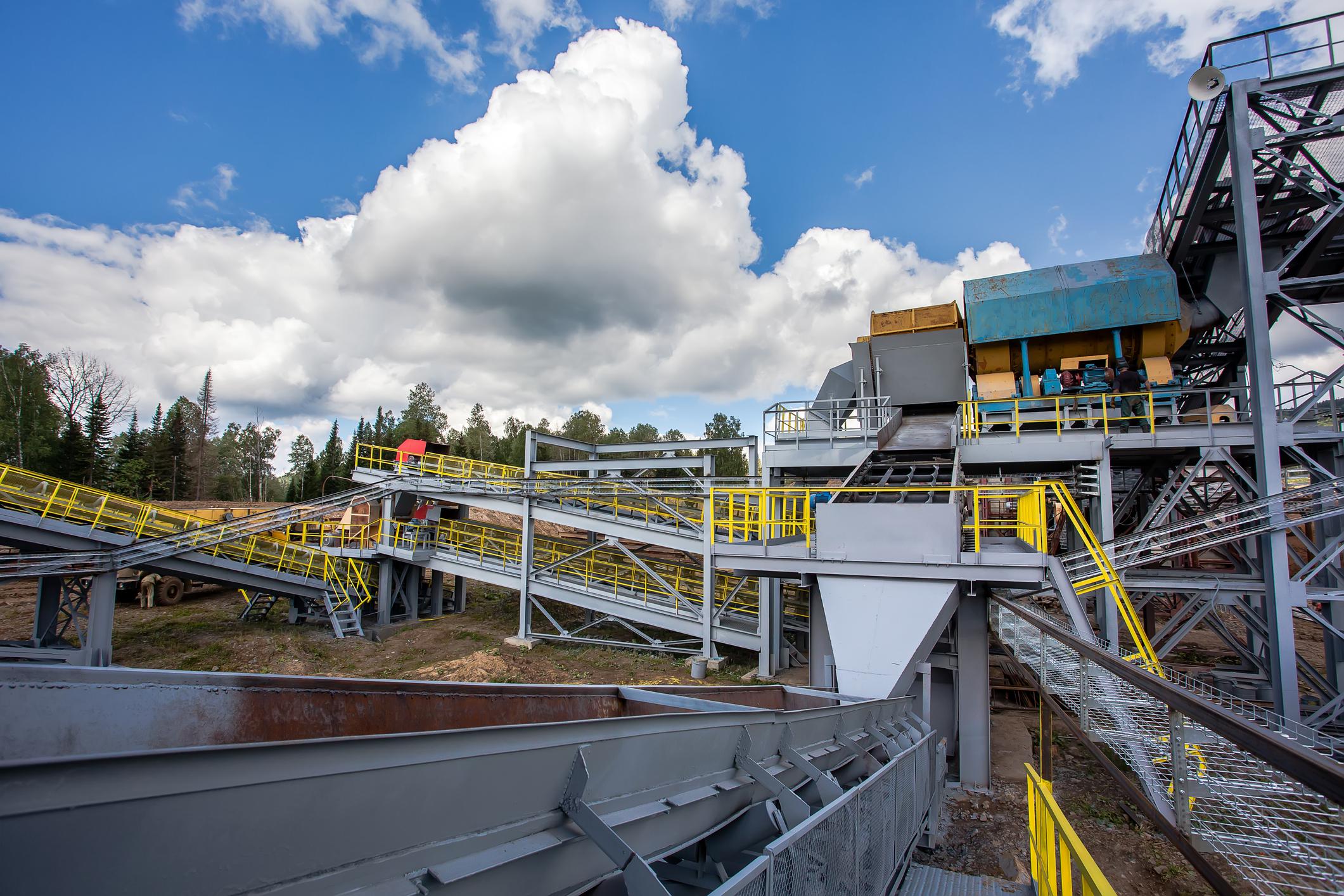
Image Source: © Photollurg | Megapixl.com
On this note, we at Kalkine Media® will look at some lithium stocks to see their performance in the last three months.
Sayona Mining Limited
A developing lithium producer, Sayona Mining Limited (ASX:SYA) has properties in Western Australia, Canada, and Québec.
Sayona has successfully acquired North American Lithium, an established lithium mine and concentrator, in Quebec with the help of strategic partner Piedmont Lithium Inc. (ASX:PLL).
AU$100 million to the restart and will thereafter be the only local supplier in North America. In contrast to the CA$37.2 million budgeted amount, Sayona had commitments totalling CA$33.7 million as of the end of June.
Shares of Sayona Mining were trading on a weak note at AU$0.32 per share, down 4.41% on ASX today at 1.32 PM AEST. The lithium company has provided around 150% returns in the last three months.
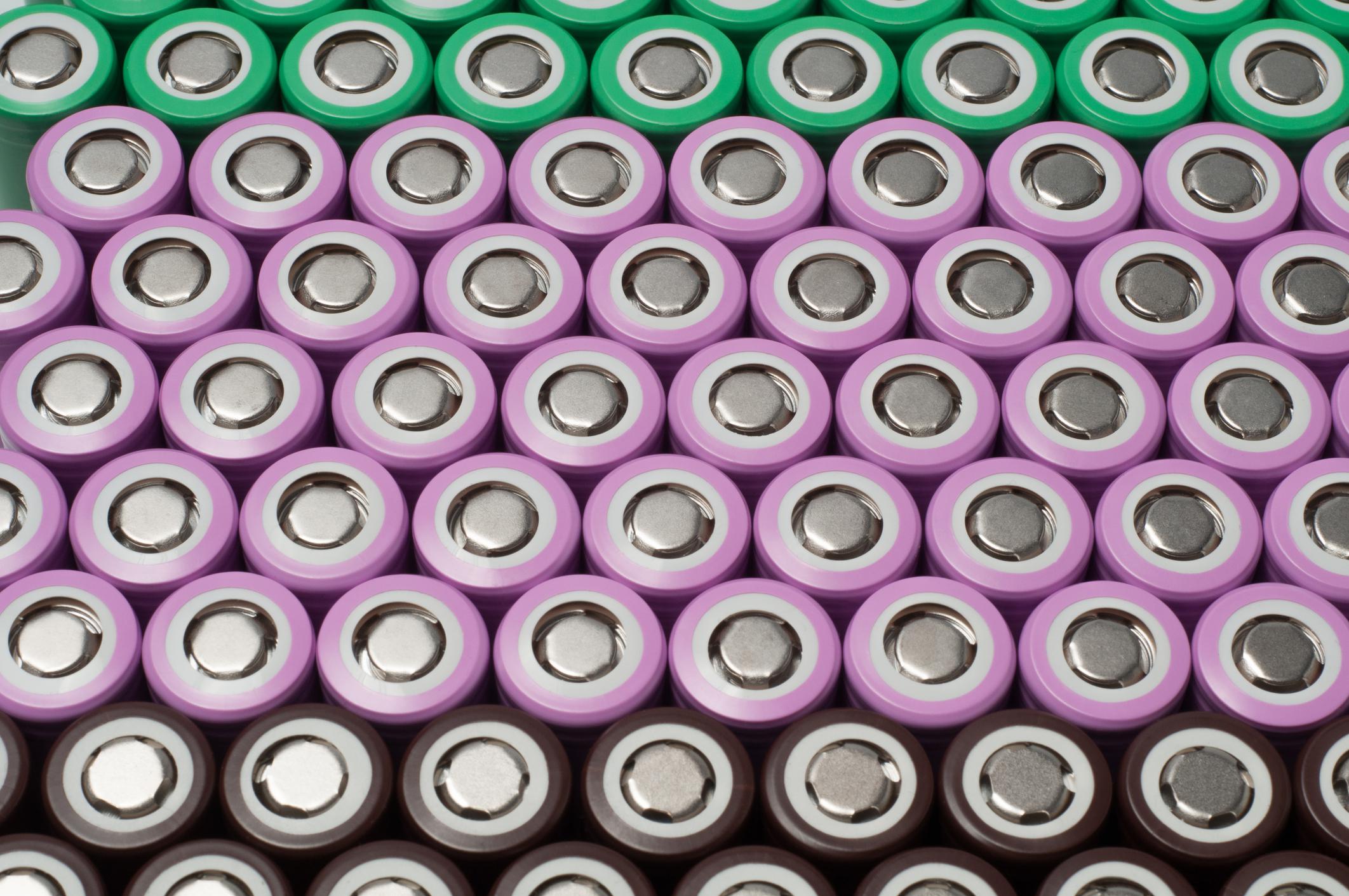
Image Source: © Zazimko | Megapixl.com
Pilbara Minerals Limited
As the world strives for a sustainable energy future, Pilbara Minerals (ASX:PLS) is poised to play a significant role in the rapidly expanding lithium supply chain. This growth is supported by rising demand for clean energy technology like electric vehicles and energy storage.
On 22 August, Pilbara Minerals announced an initial full-year profit after tax (PAT) of AU$561.8 million for the full year to 30 June 2022. This achievement was made possible by the exceptionally high global demand for lithium raw materials and favourable pricing conditions for spodumene concentrate, particularly in the year's second half.
The company informed that its revenue rose by 577% to AU$1.2 billion (from AU$175.8 million in FY2021), with an average selling price of US$2,605 per dmt, which was adjusted for actual lithia content to yield a realised price of US$2,382 per dmt.
Pilbara Minerals' shares were spotted trading at AU$4.78 apiece, up 4.14% on ASX today at 1.35 PM AEST. The company's shares have grown more than 130% in the last three months.
Piedmont Lithium Ltd
A lithium company is Piedmont Lithium (ASX:PLL) has a lithium project in North Carolina. The Piedmont Lithium Project is situated adjacent to the Hallman Beam and Kings Mountain mines and within the Carolina Tin-Spodumene Belt. The company creates other chemicals, such as battery-grade lithium hydroxide, that are necessary for the American markets for electric vehicles and battery storage. It also offers additional necessary minerals that are utilised to make goods for both industrial and consumer purposes.
The company stated on 1 September that it has chosen Etowah, Tennessee in McMinn County as the site for its intended 30,000 metric ton per year (tpy) LHP-2 lithium hydroxide plant. By converting spodumene concentrate, which is predominantly derived from Piedmont's overseas project investments, the Project is expected to significantly expand the US supply of lithium hydroxide, a necessary component in the manufacturing of EV batteries.
Piedmont Lithium's shares were trading 1.08% higher at AU$0.94 per share on ASX today at 1.35 PM AEST. The company's share price has increased almost 40% in the last three months.
