
 AUS
AUS
 NZ
NZ
 UK
UK
 CA
CA
 USA
USA
 IND
IND





Highlights
- Diesel supply disruptions reshape operational stability across mines
- Rising fuel costs place pressure on production economics
- Strategic fuel management becomes critical for long-term resilience
Fuel volatility is emerging as a structural challenge for Australia’s mining sector, impacting production, margins, and strategic planning across operations.
Rising cost pressures are once again influencing activity across the australian stock market, with fuel volatility emerging as a critical issue for the mining sector. As operations across ASX metal & mining rely heavily on diesel for day-to-day production, recent disruptions are highlighting vulnerabilities within supply chains. These challenges are increasingly shaping decision-making across the broader ASX stock market.
Diesel dependency puts mining operations under pressure
Fuel as a core production input
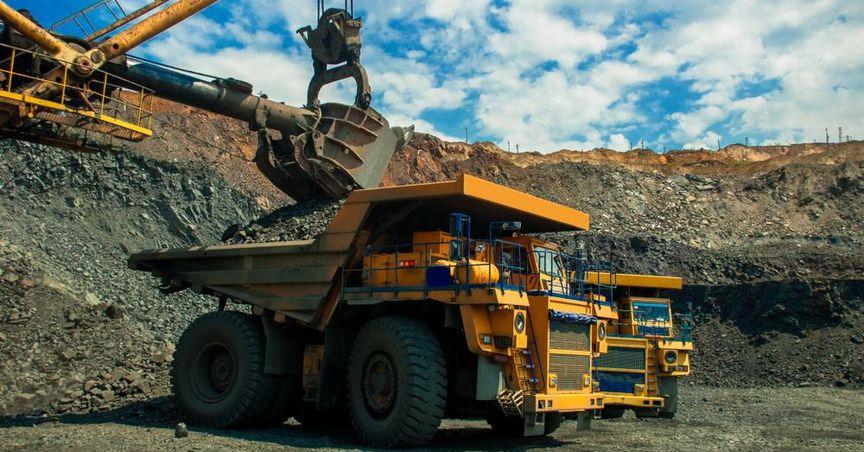
Diesel plays a central role in mining operations, powering haul trucks, machinery, and logistics networks. Unlike other costs, fuel is not optional, making it a fundamental component of production.
This reliance means any disruption in supply or pricing can directly affect output and efficiency within the australia share market mining segment.
Structural challenge rather than short-term issue
Recent developments suggest that fuel volatility is no longer a temporary concern. Instead, it is becoming a structural challenge that mining companies must address over the long term.
This shift is prompting companies to reassess how they manage fuel exposure within the australia stock market.
Supply chain fragility amplifies risks
Disruptions impact remote operations
Mining operations, particularly those located in remote areas, are highly dependent on consistent fuel supply. Disruptions in logistics can quickly translate into higher costs and operational delays.
The complexity of transporting fuel to isolated sites adds another layer of vulnerability, influencing production continuity across the ASX stock market.
Rising delivered costs
Fuel price fluctuations, combined with supply chain challenges, are increasing the cost of delivered diesel. These rising costs are placing pressure on operational margins.
For companies within ASX metal & mining, managing these cost dynamics is becoming increasingly important.
Margin pressure reshapes operating economics
Limited ability to offset costs
Mining companies often face constraints in passing on increased fuel costs. This can compress margins, particularly for operations that rely heavily on diesel.
As a result, fuel volatility is reshaping the economic framework of mining activities within the share market australia.
Real-time strategic decisions
Companies are being forced to make rapid decisions to manage cost pressures. These may include adjusting production plans, reviewing supply contracts, or exploring alternative energy sources.
Such decisions highlight the growing complexity of operating within the australia equity market.
Governance and visibility become priorities
Need for detailed fuel tracking
Effective fuel management requires accurate tracking of consumption and costs. Companies are increasingly recognising the need for detailed data to inform decision-making.
Greater visibility can help organisations respond more effectively to volatility within the ASX stock market.
Strengthening accountability
Clear accountability around fuel usage and procurement is becoming essential. Establishing structured governance frameworks can support more consistent and informed management.
Regulatory and stakeholder pressures rise
Focus on climate disclosures
Fuel usage is closely linked to emissions, making it a key consideration in climate reporting. Regulatory requirements are increasing scrutiny on how companies manage their energy consumption.
This adds another dimension to fuel management within the australia share market.
Transition planning under the spotlight
Companies are also facing expectations around transitioning to lower-emission energy sources. Fuel volatility is accelerating discussions around alternative energy strategies.
Strategic responses to fuel volatility
Diversifying energy sources
Some mining companies are exploring alternative energy solutions to reduce reliance on diesel. These initiatives aim to enhance resilience and reduce exposure to fuel price fluctuations.
Long-term planning and flexibility
Adopting proactive strategies can help companies manage uncertainty more effectively. Early action may support operational stability and preserve flexibility in a changing environment.
