
 AUS
AUS
 NZ
NZ
 UK
UK
 CA
CA
 USA
USA
 IND
IND







Highlights
Core iron ore operations remain central to the business
Diversification supports long-term resilience
Balance sheet discipline underpins stability
An in-depth, user-friendly overview of Fortescue’s business model, financial health, and strategic direction, positioning the company within key Australian equity indices and mining themes on the local market.
Discussion around Fortescue Ltd (ASX:FMG) shares continues to feature prominently within conversations on the Australian resources sector. The company’s evolution from a pure iron ore producer into a diversified mining and exploration group has reshaped how market participants view its long-term role within the ASX stock market.
A closer look at Fortescue’s core operations
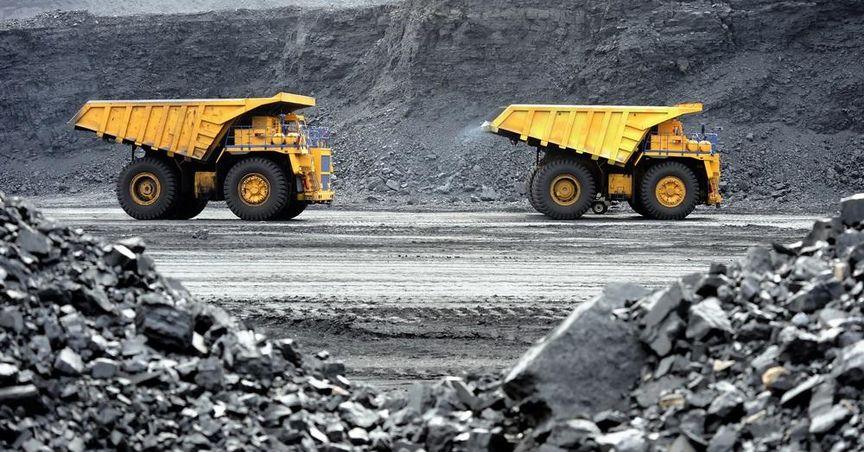
Fortescue operates as a major iron ore producer with large-scale assets located in Western Australia. These operations form the foundation of the company’s revenue base and support its established position among leading ASX mining stocks.
Iron ore production and export activities remain central to daily operations, supported by integrated infrastructure that includes mining hubs, rail networks, and port facilities. This operational structure allows Fortescue to maintain efficiency and scale across commodity cycles, helping the company navigate periods of market volatility.
Expanding beyond traditional mining
Alongside iron ore, Fortescue has increased its focus on exploration and development across a range of minerals linked to energy transition themes. Exposure to materials such as copper and lithium aligns the company with evolving global demand trends tied to electrification and clean energy technologies.
This broader resource footprint extends Fortescue’s relevance beyond conventional bulk commodities. By pursuing exploration opportunities across multiple regions, the company strengthens its long-term optionality while maintaining its established mining base in Australia.
Revenue trends and operational discipline
Revenue performance reflects both commodity pricing dynamics and shipment volumes. Rather than focusing on headline figures, analysts often examine the direction and consistency of revenue over time. For Fortescue, revenue trends highlight the importance of disciplined cost management and operational efficiency during shifting market conditions.
Margins at the operational level offer insight into how effectively the company converts production into earnings before overheads. Strong margins suggest that core activities remain economically viable, even when external conditions become challenging.
Profitability in context
Profit outcomes can fluctuate due to changes in commodity prices, operating costs, and capital investment cycles. Fortescue’s recent financial history illustrates how profits respond to broader market forces rather than isolated operational factors.
This context is important when comparing the company’s performance across different phases of the commodity cycle. Profit figures alone may not fully capture underlying business strength without considering reinvestment priorities and balance sheet management.
Balance sheet strength and capital structure
Financial health plays a critical role in assessing a mining company’s resilience. Fortescue’s approach to managing debt and equity reflects a preference for maintaining flexibility while supporting ongoing operations and development activities.
Net debt levels and the relationship between borrowings and equity provide insight into financial leverage. A balanced capital structure can help cushion the business during downturns and support strategic initiatives without excessive reliance on external funding.
Returns and efficiency of capital use
Return on equity is often used as a measure of how effectively a company uses shareholder capital to generate earnings. For Fortescue, this metric highlights how operational performance and capital allocation decisions intersect.
Consistent returns suggest that capital is being deployed in a manner aligned with the company’s strategic objectives. Changes in this measure over time may signal shifts in growth focus or investment intensity.
Dividends and income considerations
Fortescue has built a reputation for returning cash to shareholders through distributions. Dividend outcomes, however, are influenced by earnings strength, reinvestment needs, and broader market conditions.
When viewed alongside ASX dividend stocks, Fortescue’s income profile reflects its exposure to commodity cycles. Variations in distributions may stem from changes in profitability or strategic decisions around capital preservation.
Position within Australian equity indices
Fortescue holds a notable position across major Australian benchmarks, including the ASX100, ASX200, and ASX300. Inclusion in these indices enhances visibility and links the company’s performance to broader market movements.
Index representation also places Fortescue within diversified portfolios tracking the Australian market, reinforcing its relevance within the domestic investment landscape.
How Fortescue fits into the broader ASX landscape
Within the wider ASX stock market, Fortescue represents a blend of established mining operations and forward-looking resource exposure. Its strategic direction mirrors shifts occurring across the resources sector, where diversification and sustainability considerations increasingly shape corporate priorities.
By balancing mature assets with exploration initiatives, Fortescue positions itself as a participant in both current commodity supply chains and future-facing materials markets.
Key takeaways for market observers
Fortescue’s story is defined by scale, adaptability, and disciplined financial management. Rather than relying on a single growth narrative, the company integrates operational strength with measured expansion into new resource areas.
This multifaceted approach allows Fortescue to remain relevant across changing economic and industry conditions, supporting ongoing interest from those tracking Australian mining and income-oriented equities.
