
 AUS
AUS
 NZ
NZ
 UK
UK
 CA
CA
 USA
USA
 IND
IND






Highlights
Copper exposure adds depth beyond iron ore
Alta Copper deal strengthens long-term asset base
Iron ore trends remain the main market focus
Fortescue’s move into copper highlights a wider mining strategy while iron ore continues to anchor earnings, dividends, and market sentiment across the Australian resources space.
Fortescue Expands Beyond Iron Ore With Copper Strategy
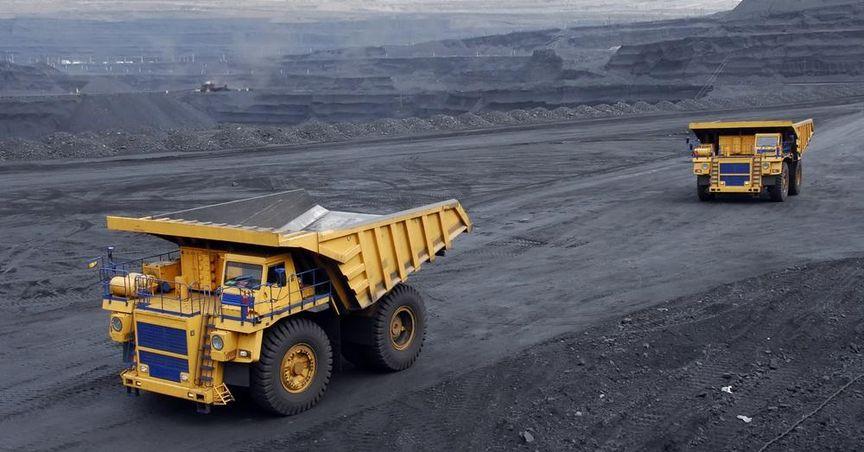
The spotlight returned to Fortescue Ltd stock as Fortescue Ltd (ASX:FMG) outlined a clear strategic step that points beyond iron ore and toward copper. The company revealed plans to take full ownership of Alta Copper Corp (TSX:ATCU), a move that underscores how large-scale miners are positioning for long-term changes in global resource demand. While iron ore remains the foundation of Fortescue’s business, the copper decision adds a new layer to its growth narrative and places the company firmly within conversations around ASX mining stocks and future-facing metals.
Why Fortescue’s Copper Expansion Matters
Fortescue has long been associated with iron ore production and export activity linked closely to steel demand. That core exposure has shaped earnings cycles, dividend expectations, and investor sentiment for years. The copper acquisition does not alter that foundation overnight, yet it signals how the company is thinking about the next phase of its portfolio.
Copper plays a central role in electrification, renewable infrastructure, and expanding data networks. These themes are reshaping how markets view long-life mineral assets. By moving to consolidate ownership of Alta Copper, Fortescue aligns itself with a commodity that sits at the crossroads of industrial growth and energy transition.
This approach mirrors a broader trend seen across the ASX stock market, where established miners are gradually broadening their exposure rather than relying on a single commodity cycle.
Understanding the Alta Copper Asset
Alta Copper’s primary asset is a large copper project located in Peru. The site covers an extensive land package that hosts multiple mineral zones and exploration targets. Independent technical work has already outlined sizeable copper resources, supported by earlier economic assessments that point to a long operating life if development proceeds.
For Fortescue, the appeal lies less in immediate cash contribution and more in future optionality. Full ownership allows the company to control exploration pace, development planning, and engagement with local stakeholders. It also provides flexibility to align the project with Fortescue’s internal standards and long-term capital priorities.
The company has indicated an intention to advance technical studies and exploration programs with the aim of bringing the project under Australian reporting standards over time. This step would improve transparency and comparability for investors who primarily follow Australian-listed miners.
Copper’s Role in a Changing Resource Landscape
Copper demand is closely linked to structural changes in the global economy. Power grids, electric transport, and digital infrastructure all rely heavily on copper-intensive systems. Supply growth, however, has struggled to keep pace due to permitting complexity, declining ore grades, and geopolitical considerations.
Against this backdrop, copper assets with scale and longevity carry strategic importance. For diversified miners, exposure to copper can help balance volatility in traditional bulk commodities. Fortescue’s move reflects this logic, positioning the company within conversations that increasingly extend beyond iron ore alone.
Within Australian indices such as the ASX100 and ASX200, diversification themes have become more prominent as investors assess how companies prepare for shifting demand patterns.
Iron Ore Still Anchors Fortescue’s Market Narrative
Despite the copper expansion, iron ore remains the dominant force shaping Fortescue’s financial performance. Shipments, operating costs, and realised prices continue to drive margins and cash generation. As a result, market reactions to Fortescue announcements are still closely tied to iron ore sentiment.
The iron ore outlook has become more complex. New supply sources, evolving steel demand, and changing trade dynamics all influence price expectations. While sharp downturn scenarios are debated, the broader tone has shifted toward caution rather than exuberance.
For Fortescue, maintaining cost discipline and operational efficiency is essential. These factors determine how resilient earnings remain if iron ore prices soften. The company’s scale and infrastructure provide advantages, yet the cycle remains a powerful external driver.
Dividends and Income Expectations
Fortescue has built a strong following among income-focused investors, particularly during periods of elevated iron ore prices. Dividends have often featured prominently in discussions around the stock. However, income expectations tend to move in line with commodity cycles rather than strategic acquisitions.
As market assumptions around iron ore normalize, dividend outlooks are becoming more measured. This does not diminish Fortescue’s appeal as an income name, but it does place greater emphasis on sustainability rather than peak payouts.
For those tracking ASX dividend stocks, Fortescue represents a case study in how resource-linked income streams adjust across cycles.
Market Response and Strategic Interpretation
The immediate market response to the Alta Copper announcement was relatively muted. This reaction suggests investors view the deal as strategically sound but not transformative in the near term. That perspective aligns with how mining markets often treat early-stage or development-focused assets.
Strategic acquisitions typically influence valuation gradually as milestones are reached. Progress in exploration, permitting, and technical studies will likely shape sentiment more than the initial announcement itself.
Within broader benchmarks such as the ASX300, companies that successfully balance near-term cash generation with long-term resource optionality often attract sustained interest over time.
What to Watch Going Forward
Several themes are likely to guide attention in the months ahead:
Project Advancement
Progress at the copper project, including exploration results and technical updates, will provide insight into how Fortescue translates strategy into execution.
Iron Ore Trends
Price movements and supply developments remain central to Fortescue’s earnings outlook and investor confidence.
Cost Management
Operational efficiency acts as a buffer during periods of softer commodity pricing and supports cash flow stability.
Portfolio Balance
How Fortescue allocates capital between iron ore operations and emerging assets will signal its long-term priorities.
A Broader Signal for Australian Mining
Fortescue’s copper expansion reflects a wider evolution within Australian mining. Large producers are increasingly aware that future demand drivers may differ from those that defined past cycles. By layering new commodities onto established operations, companies aim to remain relevant across decades rather than years.
This shift does not imply a retreat from iron ore, but rather an acknowledgment that resilience comes from balance. As global energy systems and infrastructure needs evolve, miners with adaptable portfolios may be better positioned to navigate uncertainty.
Fortescue’s move to consolidate ownership of Alta Copper highlights a strategic mindset focused on long-term resource relevance. Copper adds depth to the company’s asset base, aligning with global electrification and infrastructure themes. At the same time, iron ore continues to shape earnings, dividends, and valuation.
For market participants, the story is one of transition rather than transformation. Copper introduces a new chapter, while iron ore remains the backbone. How these elements interact over time will define Fortescue’s place within Australia’s evolving mining landscape.
