
 AUS
AUS
 NZ
NZ
 UK
UK
 CA
CA
 USA
USA
 IND
IND







Highlights
Fortescue Metals Group advances within the materials sector.
Iron ore exposure anchors company’s operational profile.
Materials shares reflect commodity-linked market activity.
Fortescue Metals Group remains a key ASX-listed iron ore producer, with materials sector activity reflecting commodity-linked market dynamics.
The materials sector remains a cornerstone of Australia’s listed market, encompassing diversified miners, iron ore producers, and commodity-focused enterprises operating within the framework of the ASX stock market. Leading companies in this space are represented across benchmark indices including the ASX 20, ASX 50, ASX 100, ASX 200, ASX 300, and the All Ordinaries. Fortescue Metals Group holds a prominent position within these indices, reflecting its scale and contribution to Australia’s iron ore export industry.
Fortescue Metals Group (ASX:FMG) operates as a major iron ore producer with integrated mining, rail, and port infrastructure across Western Australia. The company’s operations centre on large-scale iron ore extraction and shipment to global steelmaking markets. As one of the key constituents within the materials segment, Fortescue contributes significantly to sector representation in leading ASX benchmarks.
Iron ore producers operate in a capital-intensive environment characterised by bulk commodity extraction, logistics coordination, and export-focused supply chains. Revenue outcomes are influenced by realised iron ore benchmarks, shipment volumes, and cost structures associated with mining and transport operations. Fortescue’s operational footprint spans open-pit mining hubs linked to dedicated rail networks and port facilities.
Within the ASX 20 and ASX 100, materials companies often exert a meaningful influence on index direction due to their market capitalisation and export exposure. Fortescue’s presence within these indices underscores the importance of iron ore to Australia’s equity market composition.
Materials Sector Activity and Commodity Exposure
Materials shares frequently reflect movements in global commodity markets, particularly iron ore, copper, and other industrial metals. During periods of renewed attention toward the materials segment, investors often monitor producers with significant export volumes and established infrastructure.
Fortescue’s iron ore operations are primarily focused on supplying steelmakers across Asia. Global infrastructure investment, construction activity, and industrial production trends influence demand for iron ore. As a result, materials companies remain closely tied to international trade flows and macroeconomic developments.
The performance of materials shares within the ASX 200 often contrasts with sectors such as financial services or healthcare. Commodity producers respond to supply-demand dynamics and currency movements, while other industries may be more sensitive to domestic economic conditions.
Companies operating within the broader universe of ASX mining stocks range from diversified global producers to smaller exploration entities. Fortescue occupies a leading position among large-cap iron ore exporters, supported by integrated logistics assets and established production capacity.
Sector activity can also be influenced by developments in energy markets, shipping costs, and geopolitical trade conditions. Materials stocks form a substantial weighting within the Australian share market, reflecting the country’s resource endowment and export profile.
Operational Structure and Infrastructure Integration
Fortescue’s operations extend beyond extraction to include rail transport and port handling facilities. This vertically integrated model enables coordination of mining output with export logistics, facilitating consistent shipment schedules.
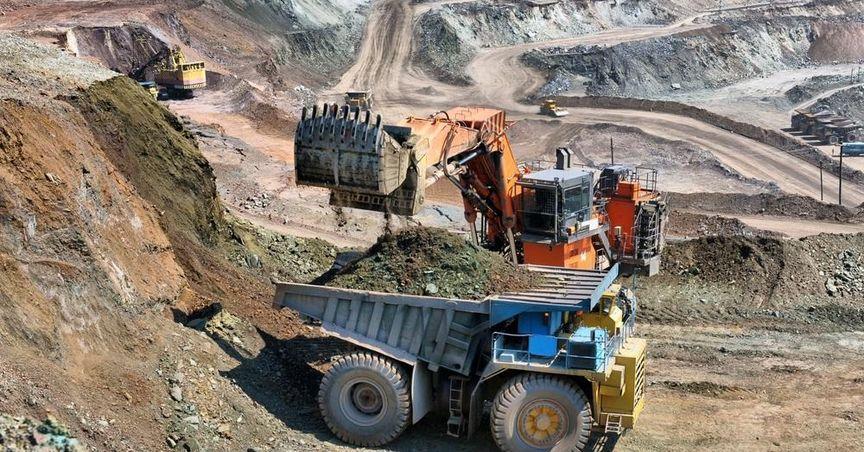
Mining operations involve drilling, blasting, hauling, and processing iron ore before transport via rail networks to export terminals. Port facilities handle loading onto bulk carriers for international delivery. Such infrastructure-intensive operations require ongoing maintenance and capital investment.
In contrast to service-oriented businesses within the ASX stock market, mining companies depend on physical assets, resource reserves, and supply chain management. Operational efficiency, equipment reliability, and workforce coordination play essential roles in sustaining output.
Fortescue also participates in initiatives related to decarbonisation and renewable energy integration within mining operations. The broader energy transition landscape has prompted resource companies to explore electrification of haulage fleets and renewable power generation to support site operations.
Within the ASX ordinaries stocks index, materials companies coexist alongside financial institutions, property trusts, and technology firms. The industrial nature of mining operations differentiates them from asset-light sectors such as software or financial services.
Dividend Profile and Capital Allocation
Large-scale mining companies often allocate capital toward sustaining production, expanding capacity, and maintaining infrastructure. Capital allocation decisions typically balance operational investment with shareholder distributions, subject to cash flow conditions and board determinations.
Fortescue has historically been regarded among established ASX dividend stocks, reflecting its capacity to generate operating cash flow during favourable commodity environments. Dividend policies among mining companies are often influenced by iron ore benchmarks, operating margins, and capital expenditure requirements.
Capital expenditure programs may include mine development, equipment upgrades, rail expansion, and port enhancements. These investments aim to support production continuity and operational resilience within the competitive global iron ore market.
Commodity-linked revenue variability distinguishes materials companies from sectors characterised by subscription-based income or regulated revenue streams. Earnings outcomes can fluctuate with global demand and supply adjustments, contributing to dynamic trading patterns within the materials segment.
Fortescue’s position within leading benchmarks such as the ASX 100 reflects its scale relative to other listed miners. Its operational footprint remains concentrated in iron ore, which continues to represent a significant export commodity for Australia.
Position Within the Broader ASX Materials Segment
The materials sector occupies a substantial weighting within the Australian equity market, particularly in indices such as the ASX 20 and ASX 200. Major miners including Fortescue, BHP Group (ASX:BHP), and Rio Tinto (ASX:RIO) collectively shape sector representation.
Global demand for steel, infrastructure development, and industrial manufacturing trends influence sentiment toward iron ore producers. As a result, materials shares often attract attention during periods of renewed commodity interest.
Within the broader ASX stock market, sector rotation between materials, financial services, real estate, and technology remains a common feature of trading sessions. Movements in iron ore benchmarks can drive performance divergence between resource stocks and other industries.
The All Ordinaries index captures a wide cross-section of Australian-listed companies. Materials companies contribute significant commodity exposure within this diversified benchmark.
Fortescue’s operational profile, export orientation, and infrastructure integration position it as a central participant in the ASX-listed materials sector. As commodity markets evolve, iron ore producers continue to represent a defining feature of Australia’s equity landscape.
