
 AUS
AUS
 NZ
NZ
 UK
UK
 CA
CA
 USA
USA
 IND
IND






Highlights
- MoU advances study for green-energy magnetite processing.
- Eyre project explores pathway toward low-carbon iron production.
- Collaboration targets long-term development for SA minerals.
A detailed look at the new MoU shaping the Eyre Magnetite Project, highlighting green hydrogen integration, long-term development goals, and its relevance across Australian mining and energy sectors.
Eyre Magnetite Study Sets New Path for Green Steel Vision
Lincoln Minerals (ASX:LML) has entered into a new memorandum of understanding with Cape Hardy, a subsidiary of Revera Energy, to progress a scoping study for the Eyre Magnetite Project in South Australia. The agreement marks an important step toward examining green-energy-powered magnetite processing while drawing attention across the broader landscape of ASX mining stocks. With rising interest in renewable energy pathways and emerging steel technologies, the collaboration highlights how companies across the sector are pursuing strategies aligned with long-term sustainability.
The study will focus on evaluating the feasibility of using green hydrogen as part of the production chain, positioning the Eyre Project within ongoing conversations around low-carbon resources, the ASX stock market, and the broader adoption of clean-energy infrastructure in Australia.
What the MoU Means for the Eyre Magnetite Project
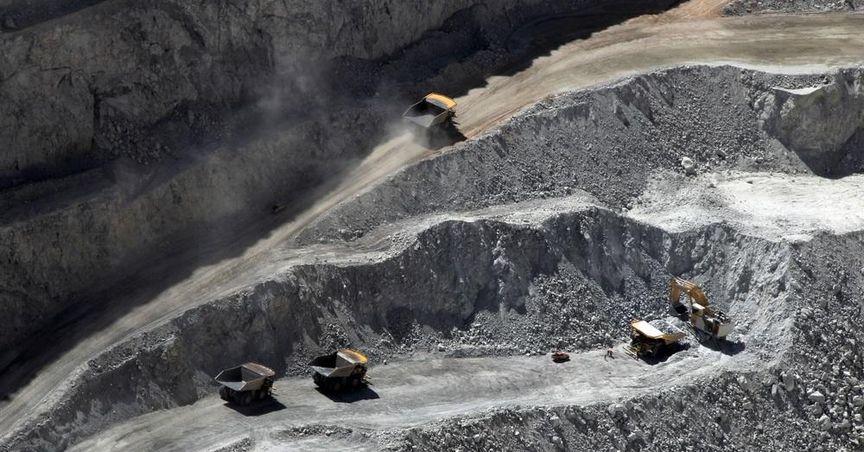
The newly signed MoU sets the foundation for a detailed scoping study, which will explore how magnetite from the Eyre Project can be processed using green hydrogen rather than traditional fuels. Lincoln Minerals aims to investigate the technical, operational, and commercial aspects of a potential direct reduced iron (DRI) pellet plant that would utilise hydrogen in the induration stage.
The study will bring together findings from previously completed assessments while integrating new modelling aligned with alternative-energy frameworks. By focusing on low-emission pathways, the partners aim to contribute to Australia’s transition toward cleaner resources and a modernised steel value chain.
This initiative forms part of a broader strategy to unlock long-term value from magnetite assets within Lincoln Minerals’ portfolio, which also includes graphite, copper, and uranium prospects across South Australia. The company continues to shape its future across several exploration and development fronts while maintaining attention on the Minbrie Copper Project.
Green Hydrogen at the Core of the Collaboration
Revera Energy's involvement reflects its ongoing focus on advancing the Cape Hardy Green Hydrogen Project, a large-scale development positioned north of Port Lincoln. The proposed hydrogen infrastructure is expected to support multiple regional industries, including iron ore processing, advanced manufacturing, and future-stage industrial hubs.
Green hydrogen is emerging as a key technology in the global push for lower-emission steelmaking, and the Eyre Project’s direction aligns with these evolving industrial trends. Instead of relying on conventional fuels, hydrogen-enabled processing provides a pathway to reduce carbon intensity in every stage of magnetite transformation.
The MoU outlines a joint exploration of how these technologies can be applied within the Eyre Magnetite Project, bringing together insights related to energy infrastructure, project development, risk management, technical design, and pathways for long-term beneficiation.
Why Magnetite Plays an Important Role in Future Steelmaking
Magnetite has gained increasing attention within Australia's resources landscape as global industries look for iron ore products that support high-grade steelmaking. When processed effectively, magnetite can deliver a concentrate suitable for advanced methods such as DRI, which uses hydrogen rather than carbon-heavy fuels.
The Eyre Project’s focus on quality magnetite aligns with global demand for refined feedstock capable of supporting greener steel strategies. Previous studies have indicated that the resources at Eyre can produce iron-rich concentrates featuring favourable metallurgical characteristics, making them suitable for downstream development initiatives.
This direction places the project within broader discussions across indices such as the ASX100, ASX200, and ASX300, where companies involved in metals, mining, and clean-energy transitions continue to draw significant attention. The strategic pursuit of high-grade magnetite is increasingly aligned with industry expectations around future-oriented resource production.
Aligning with Australia’s Emerging Hydrogen and Steel Vision
Australia is positioning itself as a future hydrogen producer through a range of state and national initiatives, reflecting global interest in diversifying energy systems and reducing industrial emissions. South Australia, in particular, is advancing several hydrogen-related projects and infrastructure proposals.
The Eyre Magnetite Study aligns closely with these objectives, as it combines resource development with clean-energy innovation. The integration of hydrogen-powered processing could open new pathways for domestic value-adding, potentially supporting downstream manufacturing and export-ready steelmaking inputs.
This collaboration also reflects how resource explorers, energy developers, and infrastructure groups are working together to create integrated industrial ecosystems. With growing attention across the ASX dividend stocks category and diversified portfolios, such partnerships represent an emerging trend across the sector.
Strategic Pathway for Lincoln Minerals’ Asset Portfolio
Lincoln Minerals continues to advance multiple projects across South Australia, each contributing to a broader resource strategy designed around diversification and long-term development. While the Minbrie Copper Project remains a central focus, the company’s magnetite assets offer an opportunity to drive new value streams aligned with evolving steel industry trends.
The MoU enables Lincoln Minerals to explore the commercialisation of its magnetite resources without diverting attention from its copper initiatives. This balanced approach allows the company to pursue near-term exploration outcomes while assessing longer-term opportunities that align with global industrial transitions.
By engaging with a partner working actively on hydrogen-related infrastructure, Lincoln Minerals positions itself within a growing network of projects working toward lower-emission processing methods.
Looking Ahead – How the Study Could Shape Future Development
The scoping study represents an early phase of evaluation, but its outcomes may provide pathways for more advanced feasibility work and potential joint development. Whether through a future joint venture or an expanded partnership, the collaboration is designed to examine realistic routes toward commercial production.
Key areas expected to be assessed include:
- Technical requirements for magnetite beneficiation
- Integration with hydrogen supply infrastructure
- Processing pathways for DRI pellet production
- Logistics and transport considerations in South Australia
- Economic frameworks suited to long-term development
If the study supports viable development options, it could contribute to a new chapter in Australia’s shift toward low-carbon ironmaking. With global industries searching for alternative energy solutions and cleaner materials, projects such as Eyre hold the potential to contribute meaningfully to future-ready value chains.
