
 AUS
AUS
 NZ
NZ
 UK
UK
 CA
CA
 USA
USA
 IND
IND







Highlights
- Overview of 29Metals’ classification within Australian materials sector and broad market framework.
- Examination of registry disclosures and documented movements relevant to 29Metals (ASX:29M).
- Discussion of broad market indicator classification including All Ordinaries in relation to 29Metals.
Details 29Metals’ operational classification and documentation within the materials sector and its inclusion in the All Ordinaries index, focusing on factual reporting frameworks.
29Metals (ASX:29M) operates within the Australian materials and base metals mining industry, a category that aligns with benchmarks such as the All Ordinaries which reflects a comprehensive measure of listed entities in this market space. Classification of base metals producers under broad market indexes underscores the participation of these companies across sectors, rather than signalling relative operational scale or performance. Within this context, the materials sector encompasses firms engaged in extraction, processing, and logistics of mineral commodities, a structural description that applies to 29Metals (ASX:29M) throughout official documentation and market reporting. 29Metals’ inclusion in broad gauge benchmarks also corresponds to its recognition as part of the general Australian listed market landscape.
Materials Sector Classification and Index Participation
The materials sector as represented on the Australian exchange includes entities engaged in mineral extraction and processing operations, connected to infrastructure frameworks that support resource supply chains. This sector is recognised for its capital intensity, extensive regulatory oversight, and integration with domestic and global commodity distribution systems. Within this framework, base metals producers are documented as participants in broad market indices, such as the all ordinary index which captures a wide range of listed companies based on market listing participation, rather than sector weighting.
Documentation published by market reporting services confirms that 29Metals (ASX:29M) is classified under the comprehensive benchmark index, reflecting its status as a materials sector participant in the broader Australian listed market. Classification under such an index does not convey qualitative judgements but rather records that an entity meets the listing criteria used to generate the index. This broad measure encompasses companies from diverse sectors including materials, industrial services, and consumer goods, indicating the integrated structure of the Australian market landscape.
Corporate Profile and Operational Focus for 29Metals (ASX:29M)
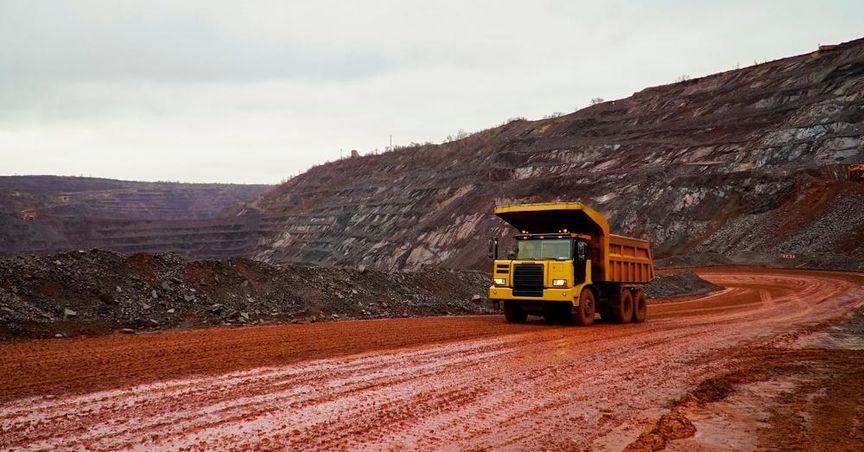
29Metals (ASX:29M) is documented as a base and precious metals mining company with operating assets located in Australia and Chile. Operational descriptions indicate that the company maintains producing and exploration assets that support ongoing extraction and concentrate management activities typical of materials sector entities. These operations are structured with infrastructure systems that facilitate mining, processing, and distribution activities within regulatory frameworks that oversee safety, environmental compliance, and logistical coordination.
Specific assets operated by 29Metals include established mining sites where the extraction of copper, zinc, gold, and silver is conducted within defined operational parameters. These activities illustrate the day‑to‑day functioning of a materials sector enterprise, contributing to the broader operational matrix that connects such entities with related market documentation and reporting schedules.
Documentation of Registry Records and Reporting Cycles
Companies listed on the Australian exchange such as 29Metals (ASX:29M) are subject to periodic disclosure requirements that record changes in registry documentation and officially recognised entities appearing on share registries. These disclosures outline categories of registry entries and indicate adjustments corresponding with reporting intervals mandated by regulatory protocols. The registry serves as an official record of registered entries recognised by the company and submitted to market authorities at prescribed intervals.
Registry disclosures provide information on segments of registered entries that meet threshold criteria for reporting, offering a snapshot of data acknowledged at specific reporting dates. For 29Metals (ASX:29M), these disclosures form part of routine reporting schedules required of listed entities, capturing documented information rather than qualitative attributes.
Interaction Between Broad Market Indicators and Registry Documentation
Registry documentation and broad market indicators operate within distinct reporting frameworks. Broad benchmarks such as the all ordinaries chart serve as aggregated measures of listed entity participation across sectors, capturing a representation of documented activity that reflects the range of companies included in the index. These benchmarks are generated by indexing services based on criteria such as listing presence and market participation, providing a structural representation of the market environment.
Registry documentation for 29Metals (ASX:29M) records official entries recognised by the company’s registrar, while broad market indicators capture aggregated movement across multiple listed entities included in the broader index. The classification of 29Metals within the All Ordinaries is a reflection of inclusion criteria rather than a qualitative appraisal of registry values or operational capacity.
Operational and Reporting Characteristics of Materials Sector Entities
Materials sector entities on the Australian exchange are documented as conducting activities that encompass extraction, processing, and logistical management of mineral resources. Reporting obligations extend across operational disclosures, registry documentation, and sector classification within broad benchmarks maintained by indexing bodies. These records do not convey qualitative descriptions or performance narratives, but rather reflect structural information produced through standardised reporting cycles.
For 29Metals (ASX:29M), operational documentation outlines the nature of activities conducted at producing sites, including extraction and processing procedures for base and precious metals. These descriptions provide reference to the functional context in which the company operates, aligned with established norms within the materials sector on the Australian exchange.
Reporting Frameworks and Regulatory Compliance
Listed entities such as 29Metals (ASX:29M) adhere to regulatory reporting frameworks that require periodic submission of documentation recording registry entries, operational descriptions, and disclosures pertaining to corporate activities. These frameworks are designed to maintain transparency in the public record of listed companies, capturing structural data without normative language. Regulatory filings serve as an official repository of the categories of registered entries that meet criteria for public documentation.
Within this reporting environment, classifications under broad market indices such as asx all ordinaries today and the all ordinary index are generated based on listing eligibility and criteria defined by indexing services. These benchmarks enable the aggregation of documented participation across sectors, reflecting the scale and composition of the market as recognised in public records.
Role of Materials Sector in Broader Market Documentation
The materials sector contributes structural components to the broader Australian exchange landscape. Companies within this sector participate in reporting cycles that interface with registry documentation and index classification frameworks. This participation reflects the procedural requirements that apply to listed entities, allowing for consistent documentation of operational focus and registry statistics.
For 29Metals (ASX:29M), classification within broad market benchmarks underscores its participation in the documented exchange environment. The procedural recording of registry entries, operational descriptions, and inclusion within broad indexes forms part of the structural documentation that accompanies all listed entities operating within regulated frameworks.
