
 AUS
AUS
 NZ
NZ
 UK
UK
 CA
CA
 USA
USA
 IND
IND





Highlights
• Rising oil activity influences energy and mining sectors across indices.
• Large-cap and broader market stocks contribute to index participation.
• Corporate updates and global factors shape Australian equity movement.
ASX 20 and ASX 300 activity reflects oil-driven momentum across energy and mining sectors, alongside corporate updates shaping broader Australian equity market participation.
The Australian equity market is significantly influenced by the energy and mining sectors, which form a core part of the country’s economic structure. Companies operating within these sectors contribute to major indices such as the ASX 20 and the ASX 300, reflecting participation from both large-cap leaders and a broader range of listed entities across the market.
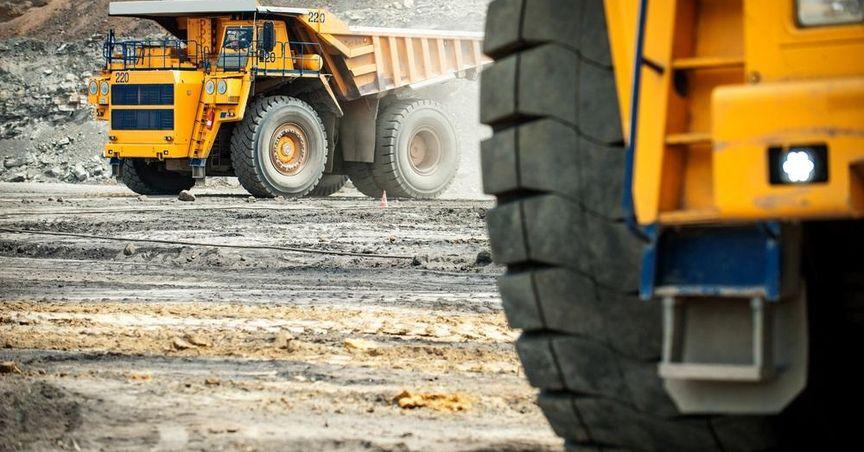
A major participant within this landscape, BHP Group Ltd (ASX:BHP), operates within the mining sector and contributes to market activity through its global resource operations. The company’s scale and diversified commodity exposure highlight the importance of mining companies in shaping sector-wide movements within Australian equities.
Movements across energy and mining stocks often reflect global developments, particularly those linked to commodity markets such as oil and metals. These factors influence companies involved in exploration, production, and supply chains, contributing to broader index performance.
Within the wider ecosystem commonly referred to as the asx all ords, companies across multiple industries interact to form a comprehensive representation of the Australian market, bridging both large-cap and mid-cap segments.
Oil Market Developments and Sector Influence
Global oil market developments play a key role in shaping activity within the energy sector, influencing companies that operate across production and exploration activities. Changes in global supply dynamics and geopolitical developments often affect oil market conditions, which in turn impact energy-related companies.
An increase in oil market activity typically draws attention to energy companies that are directly linked to production and distribution. These companies reflect shifts in global demand and supply conditions, contributing to movements observed across indices such as the ASX 20 and ASX 300.
Energy companies within the Australian market operate within an interconnected global system, where international developments influence domestic performance. This connection highlights the role of global energy trends in shaping sector participation.
The relationship between oil markets and energy companies demonstrates how external developments can translate into domestic market activity, reinforcing the interconnected nature of global and local financial systems.
Corporate Developments and Market Activity
Corporate updates, including leadership changes and strategic developments, contribute to activity within the Australian equity market. Companies across mining and energy sectors regularly provide updates related to operational direction, management changes, and project developments.
Leadership transitions within major companies often reflect shifts in organisational focus and strategic priorities. These developments form part of ongoing corporate reporting and provide insights into how companies align their operations with market conditions.
Updates related to project developments and operational strategies highlight how companies continue to evolve within their respective sectors. These changes contribute to overall market awareness and provide a broader understanding of sector activity.
Companies within large-cap indices and broader market segments regularly release updates that reflect changes in business direction, supporting transparency and continuous engagement within the equity market.
Sector Interaction Across Indices
The Australian equity market reflects interaction between multiple sectors, including mining, energy, financial services, and industrials. Each sector contributes to overall market performance, creating a dynamic environment where developments in one industry can influence others.
Mining companies contribute through resource production and global commodity exposure, while energy companies reflect changes in oil and gas markets. Financial institutions support economic activity through lending and financial services, while industrial companies contribute through infrastructure and logistics.
This interconnected structure highlights the diversity of the Australian market and the role of different sectors in shaping performance across indices such as the ASX 20 and ASX 300.
Across this landscape, companies are also frequently discussed in the context of ASX dividend stocks, reflecting the presence of income-focused opportunities alongside sector-driven developments.
Global Context and Market Dynamics
The Australian equity market operates within a broader global framework, where international developments influence domestic activity. Geopolitical conditions, economic indicators, and commodity market trends contribute to shifts in sector participation and overall market behaviour.
Energy markets, particularly oil, are closely tied to global developments, making them a key driver of activity within Australian equities. Changes in oil market conditions can influence energy companies and contribute to movements observed across indices.
Mining companies also reflect global demand for commodities, linking Australian market performance to international economic conditions. This relationship highlights the importance of global factors in shaping domestic equity activity.
Understanding the interaction between global developments and local market participation provides insights into how sectors contribute to broader index movements and overall equity performance.
