
 AUS
AUS
 NZ
NZ
 UK
UK
 CA
CA
 USA
USA
 IND
IND







Highlights
- Government-backed reforms unlock potential for emission cuts
- Methane capture gains focus in Australia's coal sector
- ACCU reforms aim to bolster climate targets
Australia’s push for a cleaner future is gaining traction as new pathways emerge to cut emissions in the coal sector. With the Institute for Energy Economics and Financial Analysis (IEEFA) spotlighting recent developments, the government’s adjustments to the carbon credit system offer a strategic boost to national climate ambitions—especially for listed players like Whitehaven Coal (ASX:WHC), a constituent of the ASX 200 companies.
The Australian Carbon Credit Unit (ACCU) scheme has come under renewed attention following a report by the Emissions Reduction Assurance Committee (ERAC), which reaffirms the credibility of credits earned through converting coal mine waste gas into electricity. This technique presents a tangible method for reducing emissions and aligns closely with updates to the Safeguard Mechanism (SGM).
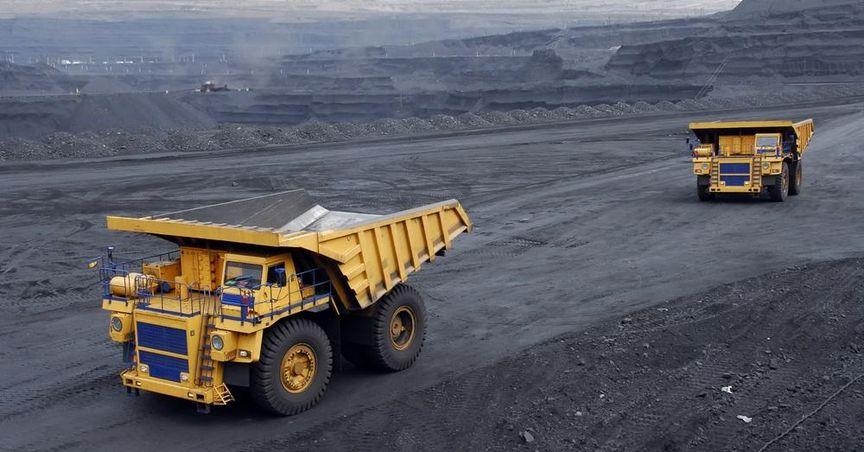
The SGM's recent data underscores the urgency of improving Australia’s National Greenhouse and Energy Reporting (NGER) framework. Critical areas include enhanced measurement, reporting, and verification of methane emissions, particularly from open-cut coalmines—a significant segment of the industry. These changes are timely as the government simultaneously injects grant funding into coal regions across New South Wales and Queensland to accelerate decarbonisation initiatives.
The IEEFA highlights that refining baseline emissions settings and ensuring greater clarity in policy execution are essential to encourage coal operators to adopt more responsible practices. Without these improvements, open-cut mining—responsible for a major share of Australia’s coal production—could continue emitting methane unchecked due to a lack of sufficient financial drivers.
Further, the institute warns that absent these reforms, the opportunity to recover methane and bolster domestic gas supplies may be missed. This adds pressure on policymakers and industry stakeholders to act decisively.
The ACCU scheme, paired with SGM enhancements, is positioned to reshape how emissions are managed and incentivised. For coal companies operating within Australia, especially those publicly listed, this represents a turning point—one where regulatory alignment and innovative emissions management will play a crucial role in shaping long-term sustainability.
As the global energy landscape evolves, these reforms signal a commitment to ensuring Australia’s coal sector adapts and contributes meaningfully to national and international climate goals. The path ahead hinges on translating policy into practical impact—leveraging both financial instruments and scientific rigour to deliver real-world environmental benefits.
