
 AUS
AUS
 NZ
NZ
 UK
UK
 CA
CA
 USA
USA
 IND
IND






Highlights
• Lithium Energy resumes trading on the ASX following a corporate update outlining a strategic shift.
• The company highlights exploration activities connected with critical minerals development.
• Resource exploration companies remain a key component of Australia’s diversified equity market.
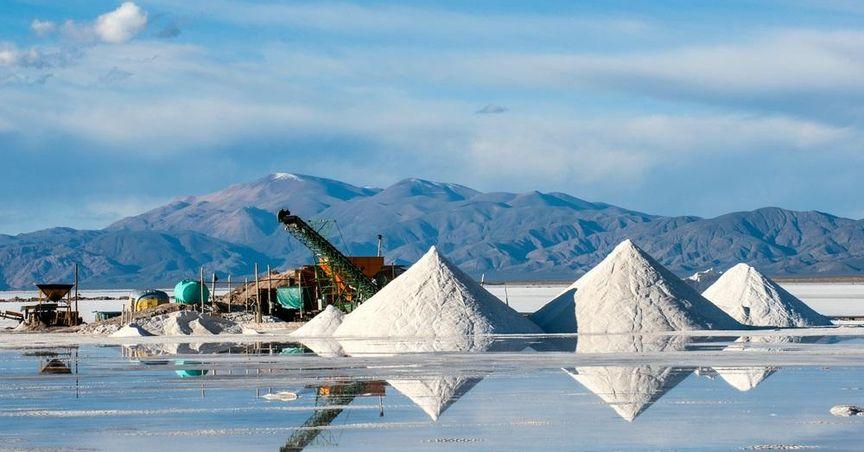
Lithium Energy resumes trading on the ASX while outlining a diversified exploration approach connected with critical minerals development and global industrial supply chains.
The critical minerals exploration sector represents a specialised segment of the global mining industry focused on discovering and developing mineral deposits used in advanced industrial applications. Companies operating within this field conduct geological surveys, drilling programs, and project development activities designed to identify resources located within underground rock formations. Minerals associated with this sector often support technologies used in electronics, energy storage systems, and manufacturing infrastructure. Within Australia’s financial market environment, mining and exploration companies operate alongside diverse industries represented within indices such as the All Ordinaries.
Exploration companies frequently operate across multiple regions where geological formations contain valuable mineral resources. Lithium Energy Ltd (ASX:LEL) operates within the resource exploration sector through projects associated with lithium and other strategic minerals.
Exploration programs generally begin with geological mapping designed to evaluate rock structures and mineralisation patterns within targeted regions. Geologists conduct field research to determine whether mineral deposits exist beneath the surface of exploration areas.
These activities often include geophysical surveys and drilling programs designed to obtain underground samples from geological formations. Laboratory testing of these samples provides insight into mineral composition and the potential distribution of valuable resources.
Resource exploration companies frequently collaborate with geological consultants, drilling contractors, and environmental specialists responsible for supporting field operations.
Within Australia’s diversified equity environment, mining and exploration companies contribute to the broader structure of the asx all ords, which includes businesses operating across sectors such as finance, healthcare, telecommunications, and consumer retail. The critical minerals sector therefore forms an important component of modern resource development and industrial supply chains.
Corporate Strategy and Resource Portfolio Development
Mining companies frequently review project portfolios and operational strategies as part of ongoing exploration and development planning. Strategic adjustments may involve changes in project priorities, exploration targets, or mineral focus within a company’s resource portfolio.
Exploration companies often manage several projects located across different geographic regions. Portfolio management strategies involve evaluating how these projects align with geological research and industrial demand for particular minerals.
Critical minerals such as lithium, graphite, and rare earth elements have become increasingly associated with advanced manufacturing industries. These minerals are widely used in energy storage systems, electronic components, and specialised industrial equipment.
Exploration companies therefore examine how geological assets correspond with broader trends within global manufacturing sectors. Corporate updates often describe how resource companies organise exploration programs and development initiatives within their portfolios. Strategic direction within the mining sector therefore reflects a combination of geological research, project management, and regulatory considerations.
Exploration companies may also examine infrastructure development, environmental requirements, and logistical planning when adjusting project priorities. These strategic processes form part of the broader lifecycle of resource exploration and development activities.
Geological Surveys and Mineral Discovery Processes
Geological surveys represent a scientific method used by exploration companies to identify mineral deposits within the earth’s crust. These surveys involve examining rock formations, soil samples, and geological structures within targeted exploration regions.
Geologists analyse the characteristics of rock formations to determine whether mineralisation zones exist beneath the surface. Advanced technologies such as electromagnetic instruments and geophysical sensors assist researchers in mapping underground rock layers. These tools generate data that allows scientists to evaluate geological structures associated with mineral deposits.
Drilling programs form an important part of exploration work by allowing companies to obtain core samples from underground formations. These cylindrical rock samples are examined in laboratories where scientists evaluate mineral concentration and geological composition. Exploration programs may extend across multiple stages as geological knowledge of the region develops.
The information generated during exploration programs helps companies determine whether deposits may support future development projects. Geological research therefore represents the foundation of mineral discovery within the mining industry.
Critical Minerals and Global Industrial Applications
Critical minerals represent materials used across a wide range of industrial technologies and manufacturing processes. These minerals support applications in electronics production, renewable energy infrastructure, transportation equipment, and telecommunications systems.
Lithium is widely associated with energy storage technologies used in rechargeable batteries for electronic devices and electric vehicles. Graphite and rare earth elements also play important roles in manufacturing components used within modern industrial equipment. Global supply chains connect mining companies with manufacturers that utilise these minerals in industrial production processes.
Resource extraction operations supply raw materials that are later processed into refined materials used in technological manufacturing. These supply chains involve mining operations, mineral processing facilities, transportation infrastructure, and manufacturing industries located across several re gions.Exploration companies contribute to these supply networks by identifying mineral deposits that may support future industrial development.
Within financial discussions surrounding resource companies, mining organisations sometimes appear alongside corporations associated with shareholder distribution frameworks connected with ASX dividend stocks. Critical minerals therefore represent an important link between the mining sector and modern technological industries.
Resource Exploration Companies Within Australia’s Equity Market
Resource exploration companies represent an important segment of Australia’s equity market due to the country’s extensive geological resources and well-established mining industry. These organisations operate across exploration programs, mineral development projects, and extraction activities associated with global commodity markets.
Mining companies contribute to Australia’s economic landscape through resource development, infrastructure projects, and international trade. The presence of exploration companies within the national share market reflects the importance of the resource sector within the broader economy. These companies frequently manage projects located across regions where geological formations contain mineral deposits.
Mining and exploration activities supply materials used across industries such as manufacturing, technology development, and infrastructure construction. Within Australia’s financial ecosystem, resource companies operate alongside corporations across sectors including banking, telecommunications, healthcare, and retail.
The inclusion of mining companies within the All Ordinaries highlights the broad representation of industries within the Australian equity market. Resource exploration companies therefore remain a central component of Australia’s corporate and industrial landscape.
