
 AUS
AUS
 NZ
NZ
 UK
UK
 CA
CA
 USA
USA
 IND
IND






Highlights
- BHP stands out as a major name in global resources.
- Materials shares attract attention for stability and income.
- Shifts in mineral demand shape long-term strategies.
A detailed look at BHP (ASX:BHP), the materials sector, dividend themes, mining demand, and market dynamics shaping Australian resource shares, including insights relevant for long-term sector watchers.
BHP’s Appeal in a Changing Materials Landscape
The BHP Group (ASX:BHP) share price often attracts attention when analysts discuss ASX mining stocks and broader trends across the ASX stock market. As one of the most recognised names in global resources, the company continues to influence sentiment across indices such as the ASX100, ASX200, and ASX300. The materials industry plays a crucial role in shaping market direction, particularly as global demand for minerals supports industries such as renewable energy, construction, transport, and technology.
Used across manufacturing and energy-related processes, BHP’s core commodities include iron ore, copper, metallurgical coal, and other minerals linked to industrial and agricultural supply chains. With expanding interest in fertiliser-related products and shifts in global production patterns, the company remains deeply connected to long-term economic trends.
Understanding BHP’s Role in the Modern Resource Economy
A Broad Commodities Portfolio
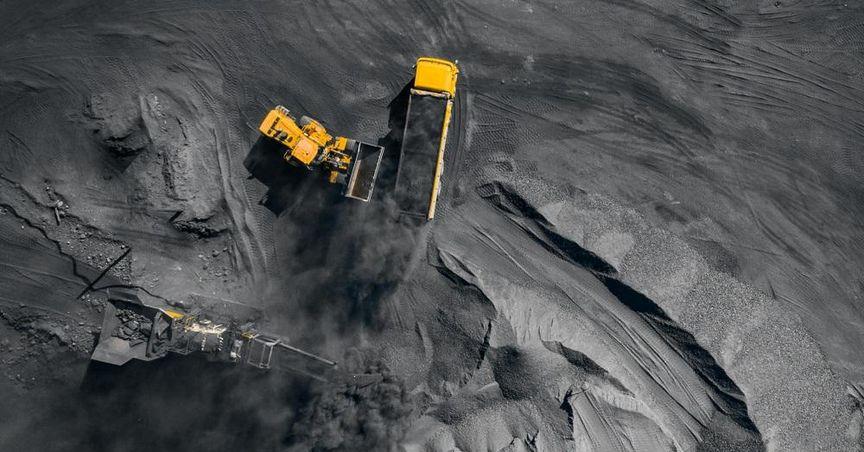
BHP holds a long history as a diversified resources group. Its key business segments involve the exploration, extraction, and export of materials used across industries that support modern living. These materials play crucial roles in construction, transportation, energy systems, electronics and industrial manufacturing.
The company’s minerals portfolio spans:
- Iron ore for construction and steelmaking
- Copper and related minerals for energy infrastructure and electronics
- Metallurgical coal for steel production
- Energy-related commodities and agricultural inputs
This range allows BHP to engage with multiple supply chains, each influenced by global consumption patterns, commodity cycles, supply-chain constraints and the transition of major economies toward new technologies.
Why Materials Shares Stay in Focus
A Sector Shaped by Economic Cycles
Materials companies often draw attention during periods of strong global growth as industries expand production, infrastructure spending rises, and manufacturing needs increase. These shifts influence the movement of ASX mining stocks, with many investors observing the sector for insights into global economic momentum.
Because the industry interacts with so many commodities, materials shares can capture the benefits of growing industrial demand while also being influenced by shifting market conditions. While commodity prices can fluctuate, companies with diversified portfolios, large-scale operations and established supply arrangements tend to attract steady interest.
Income Appeal Across the Sector
One of the attractions of large materials companies is their history of distributing income to shareholders. BHP has often been mentioned among notable ASX dividend stocks, reflecting the company’s long-standing commitment to returning cash to investors during strong earnings cycles.
Although commodity-driven income streams can vary, the sector carries a reputation for maintaining regular dividend practices during favourable periods. These themes often contribute to the popularity of resource companies within ETFs, managed funds and superannuation portfolios.
How Global Trends Are Shaping Demand for Minerals
Transition to Renewable Energy
Copper, nickel, lithium, and other minerals are essential for technologies that support renewable energy systems. Everything from electric transport to solar infrastructure requires metals that companies like BHP help supply. The shift toward cleaner energy sources has intensified long-term interest in the materials sector, widening the industry’s relevance beyond traditional uses.
As nations and industries work toward large-scale energy and infrastructure changes, demand for minerals used in power grids, electric mobility and battery storage continues to grow. BHP’s focus on industrial metals positions the company to remain part of these supply chains.
Global Manufacturing and Infrastructure Demand
Developing economies continue to expand manufacturing capacity, transport networks, and construction programs. Iron ore, copper, and coal remain essential inputs for these activities. Fluctuations in global economic conditions influence commodity flows, but underlying industrial demand remains a central driver of long-term resource consumption.
Why BHP Receives Strong Market Attention
Scale and Global Influence
Few companies in Australia carry the scale, recognition and operational reach of BHP (ASX:BHP). Its activity impacts employment, exports, supply chains, and market sentiment across the region. The company’s long operating history and diverse resource base help it maintain a prominent position across multiple Australian share indices.
Its deep involvement in iron ore, copper, energy coal, metallurgical coal, and fertiliser-related products ensures continued relevance in global supply networks.
Income Themes and Market Stability
Income-focused market participants often highlight BHP due to its long track record of distributing cash. Even though dividends can fluctuate based on commodity cycles, the company remains associated with stable income generation during favourable conditions.
This contributes to BHP’s presence within portfolio strategies that emphasise long-term income streams or balanced exposure to industrial and resource-backed companies.
How Analysts Assess BHP’s Valuation Trends
Dividend Yield as a Guidepost
Dividend yield is often used as a quick reference to understand how the market currently values a materials company’s share price relative to its income distribution. For BHP, shifts in dividend levels or market pricing can signal changes in earnings conditions, commodity cycles or future expectations.
When the dividend yield rises above long-term averages, it may reflect a lower share price or stronger income distribution. When it declines, it may indicate reduced dividends or a share price moving higher. These indicators alone are not definitive but offer a snapshot of short-term market sentiment.
Understanding Market Fluctuations
Commodity-driven companies naturally experience periods of earnings variability. Factors such as production volumes, operational costs, global demand, geopolitical developments, and supply-chain pressures all influence valuation discussions.
For this reason, analysts often look at:
- Historical dividend yield ranges
- Commodity demand patterns
- Operational performance across key assets
- Market sentiment toward global resources
BHP continues to remain influential within these discussions due to its scale and breadth of operations.
How the Broader Market Influences BHP
Materials within Australian Indices
Companies like BHP help shape the movement of major Australian indices such as the ASX100, ASX200, and ASX300. As one of the largest constituents, changes in the company’s price can have a compounding effect on overall market direction.
Materials businesses also tend to perform well during periods of strong global growth or elevated resource demand. As such, sector-wide themes can influence BHP’s share price trends.
Exposure Through Funds and Retirement Accounts
Because BHP forms part of many widely-used ETFs and managed funds, individuals may already have indirect exposure through broader market investments. This contributes to consistent interest in its performance across superannuation, index-tracking funds and diversified portfolios.
Future Themes That May Shape BHP’s Outlook
Expansion into Fertiliser-Linked Products
The company’s interest in fertiliser-related commodities highlights a shift toward long-term agricultural and food-production support. With global population growth and food security concerns rising, demand for fertiliser inputs remains an important segment within the resources landscape.
Evolving Technology and Resource Efficiency
Advancements in mining technology, automation, logistics, and mineral processing can influence production costs and operational efficiency. Companies with large operations, such as BHP, can benefit significantly from improved mining methods and digital solutions.
Long-Term Minerals Demand
As industries continue transitioning to cleaner energy sources, materials required for advanced manufacturing and renewable technology are expected to remain central to global supply chains. This supports ongoing interest in copper, nickel, iron ore, and other industrial metals central to BHP’s portfolio.
BHP’s Lasting Place in Australian Markets
BHP remains one of the most widely recognised names on the ASX stock market, reflecting its history, market influence, and broad exposure to global resource supply chains. Its presence within ASX mining stocks, relevance to major indices and connection to global industrial demand help maintain steady interest from long-term market watchers.
As global economies evolve, new technologies emerge, and industries expand, materials companies like BHP are likely to remain central to market discussions. Whether through income themes, expansion strategies or shifts in worldwide demand for essential minerals, BHP continues to play a significant role in the structure of Australia’s resource-driven economy.
