
 AUS
AUS
 NZ
NZ
 UK
UK
 CA
CA
 USA
USA
 IND
IND







Highlights
• BHP integrates technology and operational discipline across global assets.
• Modern mining practices reshape efficiency and capital allocation frameworks.
• Materials sector influence remains central within Australia’s leading indices.
BHP integrates modern mining practices and capital discipline, reinforcing its leadership within the ASX 20 and ASX 200 materials sector.
Australia’s materials sector continues to anchor domestic equity benchmarks, particularly within the ASX 20 and ASX 200, where diversified resource companies hold significant weighting. Mining leaders contribute to index stability through global operations spanning iron ore, copper and other commodities essential to industrial supply chains. As operational frameworks evolve, modern mining practices increasingly shape corporate structure, efficiency initiatives and capital allocation strategies.
BHP Group Limited (ASX:BHP), a major constituent of both the ASX 20 and the ASX 100, operates a portfolio of large scale mining assets across multiple jurisdictions. The company’s operational model reflects integration of technology driven processes, environmental management systems and disciplined project execution. These elements collectively define contemporary mining practices within Australia’s listed resources sector.
Across the broader ASX stock market, resource companies are often evaluated based on production capacity, asset quality and operational resilience. Modernisation initiatives form a central part of this framework, influencing cost structures and efficiency metrics.
The mining sector’s presence within Australian benchmarks underscores its importance to export performance and economic activity. BHP’s scale positions it as a reference point for industry evolution.
Operational Transformation and Technology Integration
Modern mining increasingly incorporates automation, data analytics and remote operations. BHP has deployed technology platforms across its asset base to enhance safety protocols and optimise production processes.
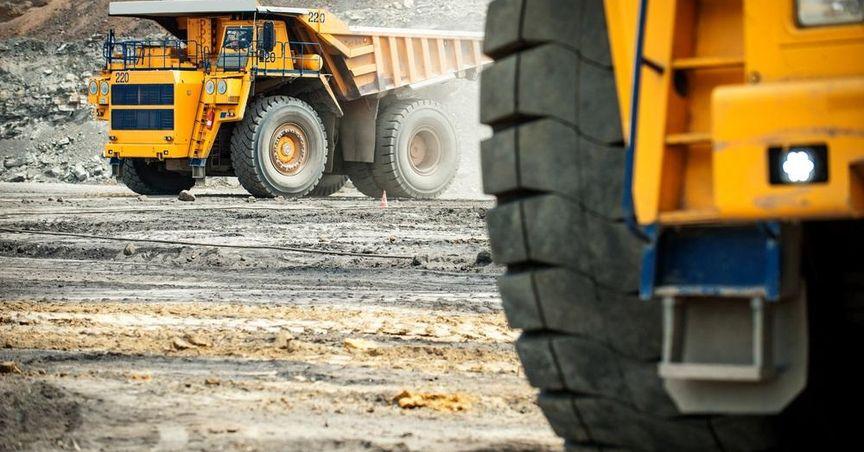
Automation of haulage systems and real time monitoring tools contribute to operational consistency. These advancements allow for more precise resource extraction and improved workforce safety standards.
Companies classified among ASX mining stocks frequently highlight digital integration as a means of improving efficiency across mine sites.
Environmental stewardship has also become a defining feature of modern mining. Emissions management, water stewardship and rehabilitation programs are embedded within corporate frameworks.
For BHP, these initiatives align with broader strategic objectives aimed at sustaining operational reliability across commodity cycles.
Commodity Exposure and Sector Weighting
BHP’s diversified commodity portfolio includes iron ore, copper and metallurgical coal, each contributing to global infrastructure and manufacturing supply chains. Movements in commodity markets influence sector dynamics within leading indices.
The materials sector forms a substantial portion of the ASX 200 and ASX 100, amplifying the impact of large producers on benchmark performance.
Diversification across commodities provides balance within BHP’s portfolio, allowing operational focus to shift depending on demand conditions across markets.
The broader ASX ordinaries stocks universe reflects similar sector diversity, though with varying company scale and asset maturity.
Commodity cycles remain a defining factor in mining sector engagement, influencing operational priorities and capital deployment.
Capital Discipline and Project Development
Modern mining frameworks emphasise capital discipline and structured project sequencing. Large scale developments require extensive planning, regulatory compliance and community engagement.
BHP’s project portfolio is assessed through staged investment decisions aligned with operational and environmental criteria. This disciplined approach reflects evolving industry standards.
Companies referenced among ASX dividend stocks often balance capital expenditure with shareholder distributions. In the mining sector, dividend frameworks are influenced by commodity performance and cash flow generation.
Project execution within global mining groups requires coordination across engineering, environmental and financial functions.
Capital allocation decisions form a core component of corporate governance within the ASX 20 resources segment.
Global Market Context and Industry Evolution
The mining industry continues to adapt to technological advancement and sustainability imperatives. Digitalisation, automation and environmental reporting frameworks are reshaping operational benchmarks.
BHP’s global asset base reflects this transition, with emphasis on scalable production and resource longevity. Industry evolution is driven by regulatory expectations, stakeholder engagement and supply chain transparency.
Australian benchmarks such as the ASX 20 and ASX 200 capture these dynamics through the weighting of leading resource producers.
The integration of advanced operational systems demonstrates how established mining companies adapt to modern industry standards.
BHP’s role within the materials sector exemplifies the interplay between technological advancement, commodity exposure and corporate governance across Australia’s equity landscape.
