
 AUS
AUS
 NZ
NZ
 UK
UK
 CA
CA
 USA
USA
 IND
IND







Highlights
- BHP focuses on iron ore and copper earnings.
- Queensland coal royalties affect operational decisions.
- Regional job impact and community concerns rise.
BHP (ASX:BHP) cuts jobs at Queensland coal mine, impacting regional operations and highlighting challenges in the ASX 200 mining sector.
The ASX 200 has recently witnessed significant developments as BHP (ASX:BHP) announced a workforce reduction at its Queensland coal operation. This development has intensified discussions around the short selling sector and the strategic decisions that ASX mining stocks undertake in the face of market fluctuations and regulatory challenges. The BHP move reflects the delicate balance companies must strike between operational efficiency, compliance with government policies, and maintaining stable returns for stakeholders. As one of the largest miners globally, BHP's operational changes have a ripple effect on the Australian stock market, drawing attention from industry experts, investors, and regional communities alike.
Background on BHP and Its Operations
BHP (ASX:BHP) stands among the world’s leading mining corporations, with a diversified portfolio that spans iron ore, copper, potash, coal, and nickel. The company's operations extend across multiple continents, making it a pivotal player in global resource supply chains. Its presence on the ASX stock market underlines its influence on the broader market, particularly the ASX 200, where it is one of the flagship companies.
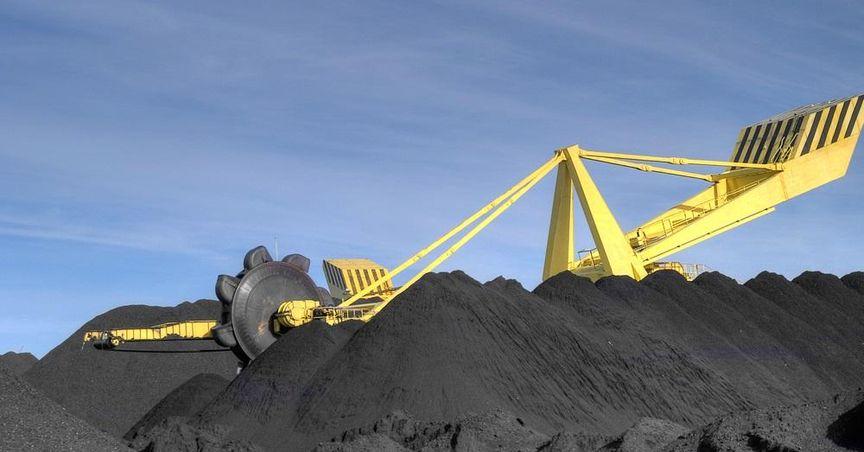
Coal has historically been an important part of BHP's operations, though iron ore and copper are now the primary earnings drivers. The Saraji South mine in Dysart, Queensland, has been a key contributor to coal production in the Bowen Basin, an area renowned for its rich mineral reserves. Open-pit mining operations like Saraji South are capital-intensive and involve long-term planning, often spanning decades.
What Happened at BHP's Queensland Mine?
BHP (ASX:BHP) announced that the Saraji South mine will reduce its workforce significantly. This decision is attributed to multiple factors, primarily the combined impact of Queensland's tiered coal royalty system and the prevailing market conditions for coal. While coal remains a significant resource, fluctuating commodity prices and high operational costs have led the company to reassess the economic viability of specific projects.
Queensland Coal Royalties and Operational Impact
Queensland's coal royalty system imposes varying rates based on coal prices, creating financial pressures for mining operations. As coal prices increase, royalty obligations rise, affecting the net revenue of coal projects. This regulatory framework is designed to ensure the state captures value from its natural resources but has unintended consequences for operational sustainability in certain market conditions. BHP's decision reflects a strategic response to these pressures, ensuring the company remains financially resilient while navigating the complexities of local regulatory environments.
Impact on Regional Employment and Communities
The reduction of jobs at Saraji South has direct implications for the regional workforce and communities. Coal mining operations are often central to local economies, providing employment opportunities, supporting small businesses, and contributing to infrastructure development. Changes in workforce levels can affect not only employees but also the broader socioeconomic fabric of mining towns.
Corporate Responsibility and Community Support
BHP has indicated its commitment to supporting affected employees through this transition, highlighting the importance of corporate responsibility in mitigating the impact on local communities. This approach is increasingly expected from major corporations within the ASX 100 as part of broader environmental, social, and governance (ESG) considerations that influence investor sentiment and regulatory compliance.
How Coal Fits Into BHP’s Broader Portfolio
Coal represents only a portion of BHP's overall operations, with iron ore and copper contributing more substantially to earnings. Iron ore, used primarily in steel production, remains a core revenue source, while copper, essential for electrical infrastructure and renewable energy systems, has become increasingly important amid global shifts towards sustainable energy solutions. The diversification across commodities enables BHP to manage risks associated with market volatility and regulatory changes in any single segment.
Industry Comparison and Diversification
This diversified portfolio approach is mirrored across other ASX mining stocks, where companies balance multiple resources to maintain operational stability. Investors tracking these companies often analyze commodity exposure, regulatory risks, and operational efficiency as key indicators of financial resilience and long-term growth potential.
Operational Challenges in the ASX Mining Sector
The recent developments at BHP highlight broader operational challenges faced by mining companies listed on the ASX 200. Market conditions, including global demand for commodities, geopolitical factors, and currency fluctuations, play a critical role in shaping strategic decisions. Additionally, regulatory frameworks such as Queensland’s coal royalties introduce operational costs that companies must account for in project planning.
Influence on Short Selling and Market Activity
Short selling activity within the ASX mining sector can also be influenced by such operational challenges. Traders and investors monitor potential risks and weaknesses in companies to anticipate market movements. While BHP’s coal-related adjustments are not directly tied to short selling, the broader context of operational pressures contributes to market dynamics that can influence stock performance and trading behavior.
BHP’s Strategic Management Approach
In response to operational pressures, BHP employs strategic management practices that balance cost efficiency, compliance, and long-term growth. Workforce adjustments, asset evaluations, and resource diversification are key components of this approach. By maintaining a strong focus on iron ore and copper, BHP ensures that core revenue streams remain stable, even as coal operations undergo restructuring.
Strategic Insights Across ASX Companies
Moreover, BHP’s approach reflects the practices seen across other leading ASX-listed companies. Operational flexibility, risk management, and strategic investment in high-demand commodities are essential to navigating the complex and competitive global mining environment. The company's actions are closely watched by stakeholders, including investors, regulators, and community representatives, given the potential implications for regional employment and market performance.
Broader Implications for the ASX 200
As a key component of the ASX 200, BHP’s operational decisions have wider implications for the benchmark index. Market participants often assess changes in large-cap mining companies to gauge sentiment across the index, particularly in the context of commodity exposure, regulatory impacts, and operational adjustments.
Market Influence and Investor Sentiment
The ASX 200 includes a range of companies from different sectors, with mining remaining a significant contributor to market capitalization. Developments in major companies like BHP can influence investor perceptions, trading strategies, and the overall performance of the index. Observers track how these companies navigate challenges, as it provides insights into broader market trends and potential investment opportunities.
Insights for Investors and Market Participants
For those monitoring the ASX stock market, the BHP development underscores the importance of understanding operational and regulatory dynamics. Investors may analyze factors such as commodity exposure, government policies, operational efficiency, and workforce management to assess company resilience.
Strategic Lessons from BHP
Additionally, BHP’s focus on iron ore and copper demonstrates the strategic prioritization of higher-margin resources, which may provide insights into long-term trends within the ASX mining sector. Market participants can draw lessons on how diversification, regulatory awareness, and operational adaptability contribute to sustaining competitive advantage in a fluctuating market environment.
Community Engagement and Corporate Responsibility
BHP’s workforce reduction also highlights the importance of corporate responsibility in the mining sector. Large-scale mining operations impact local communities significantly, influencing employment rates, small business activity, and regional development. Companies listed on the ASX 200 increasingly recognize the need to engage with stakeholders, provide support during operational transitions, and maintain transparent communication about strategic decisions.
ESG Considerations and Industry Trends
This focus on ESG practices is becoming a standard expectation, influencing corporate reputation, investor confidence, and regulatory relations. BHP’s approach to managing workforce reductions, including support initiatives and community engagement, aligns with broader industry trends that prioritize sustainable and responsible operations.
Comparative Context Across ASX Mining Stocks
Within the ASX mining stocks landscape, other companies face similar operational and regulatory challenges. Market participants often compare strategies, performance metrics, and resource portfolios to understand competitive positioning. Key considerations include commodity exposure, operational efficiency, workforce management, and compliance with local and national regulations.
Learning From Industry Examples
By analyzing these factors, stakeholders gain a holistic view of the sector, identifying trends and potential areas for strategic adjustment. BHP’s experience serves as a case study in balancing operational demands with regulatory compliance and community responsibilities.
The workforce reduction at BHP (ASX:BHP) underscores the complex interplay between market conditions, regulatory frameworks, and operational management within the ASX 200. While coal operations face challenges due to Queensland’s tiered royalties and market pressures, iron ore and copper continue to drive the company’s core earnings. The implications for regional employment, community development, and broader market sentiment are significant, emphasizing the importance of strategic management and corporate responsibility in maintaining long-term resilience.
