
 AUS
AUS
 NZ
NZ
 UK
UK
 CA
CA
 USA
USA
 IND
IND






Highlights
• PLS Group advanced following details of a cash-funded lithium expansion.
• Operational scale and balance sheet strength remain central themes.
• Lithium sector developments continue to shape materials segment activity.
PLS Group advanced after outlining a cash-funded lithium expansion, highlighting operational scale within the ASX materials sector.
Australia’s materials sector plays a defining role within the domestic equity landscape, encompassing iron ore, gold, base metals, and battery minerals. Lithium producers form a growing segment within benchmark indices such as the ASX 200 and the broader ASX All Ordinaries. The sector’s performance often reflects global demand for energy transition materials and commodity pricing dynamics.
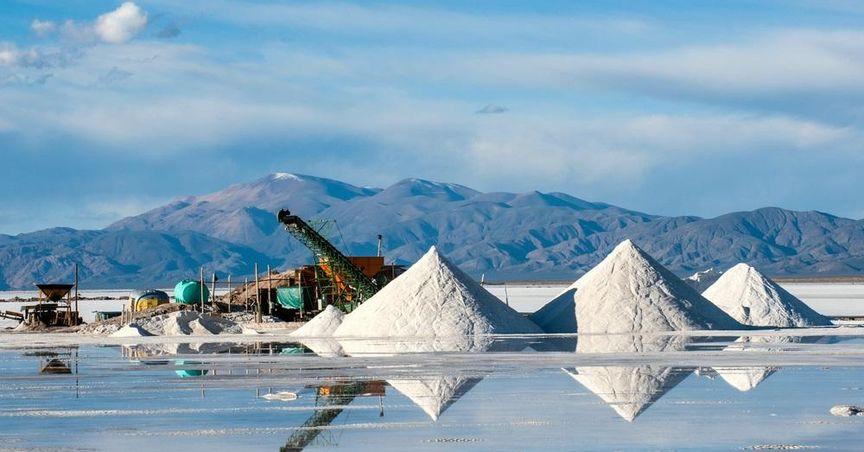
PLS Group Limited (ASX:PLS) operates as a lithium producer with assets centred on hard rock spodumene operations in Western Australia. PLS Group Limited recently provided an update regarding a cash-funded expansion initiative aimed at increasing production capacity. The announcement drew market attention, with shares recording a notable move during trade.
Lithium remains a key input for battery manufacturing, supporting electric vehicles, grid storage systems, and consumer electronics. Producers listed on the ASX 300 contribute to Australia’s role in supplying global lithium demand.
PLS Group’s operational profile includes extraction, processing, and export of lithium concentrate. Expansion initiatives typically focus on increasing throughput, optimising plant performance, and enhancing logistical capacity. The company’s participation within the ASX 200 underscores its scale and influence within the materials segment of the domestic exchange.
Cash-Funded Expansion and Operational Scale
The recent update highlighted that PLS Group intends to fund its expansion through internal cash resources rather than external capital raising. Funding projects through operating cash flow can reflect balance sheet strength and liquidity positioning.
Lithium expansion programs often involve upgrading processing facilities, expanding mining pits, and improving transport infrastructure. Such initiatives require detailed engineering planning, regulatory approvals, and capital allocation oversight.
PLS Group’s expansion strategy aligns with efforts to enhance production capacity while maintaining operational efficiency. Throughput increases can support higher output volumes, subject to market conditions and resource availability.
Cash-funded development reduces reliance on debt or equity issuance, allowing the company to retain financial flexibility. Capital discipline remains an important consideration in commodity markets characterised by pricing cycles.
Unlike many established ASX dividend stocks, lithium producers frequently prioritise reinvestment into operations rather than distributing surplus cash, particularly during expansion phases.
Lithium Market Context and Industry Dynamics
Lithium markets are influenced by global battery manufacturing trends, electric vehicle adoption, and renewable energy infrastructure investment. Supply-demand balances shape pricing frameworks and production planning decisions.
Australian lithium producers operate within a competitive international environment that includes brine operations in South America and emerging projects in Africa and North America. Hard rock spodumene deposits in Western Australia remain a significant source of global lithium supply.
Companies represented within the ASX All Ordinaries reflect Australia’s prominence in battery minerals production. Sector developments often correlate with shifts in global automotive manufacturing and energy storage deployment.
Processing efficiency, ore grade, and export logistics form core components of operational performance in the lithium industry. Expansion initiatives typically aim to optimise these elements to support stable output.
Market participants frequently monitor lithium contract pricing, spot market trends, and downstream conversion capacity developments. These factors collectively influence producer revenue outcomes.
Financial Position and Capital Allocation
PLS Group’s decision to fund expansion through internal cash resources highlights the importance of capital allocation discipline. Balance sheet strength can provide flexibility during commodity cycles.
Resource companies must balance capital expenditure with liquidity management. Maintaining adequate cash reserves supports operational continuity and project execution.
Expansion activities generally follow feasibility assessments and engineering reviews to ensure technical viability. Regulatory approvals and environmental compliance processes also form part of development timelines.
Companies within the ASX 200 materials segment often reinvest profits into mine life extensions, plant upgrades, and exploration programs. PLS Group’s expansion initiative reflects a strategic approach to scaling production capacity in alignment with global lithium demand trends.
Sector Participation Within the ASX Market
The materials sector remains one of the largest contributors to index composition within Australia’s equity market. Lithium producers, iron ore miners, and gold companies collectively influence benchmark performance.
PLS Group’s recent share price movement illustrates how company-specific updates can drive investor attention within the broader sector context. Commodity producers frequently experience volatility aligned with operational announcements and pricing developments. The ASX 300 captures a wide array of resource developers and producers, highlighting the diversity of Australia’s mining industry.
Energy transition themes continue to shape capital flows into battery minerals and renewable resource projects. Lithium producers remain integral to this evolving industrial landscape. The session demonstrated how expansion updates and operational milestones can interact with broader sector sentiment to influence share performance within the ASX market.
