
 AUS
AUS
 NZ
NZ
 UK
UK
 CA
CA
 USA
USA
 IND
IND





Highlights
BHP reflects iron ore sector developments linked to global demand.
Mining activity highlights commodity-driven market movements.
Resource sector trends contribute to broader Australian equity dynamics.
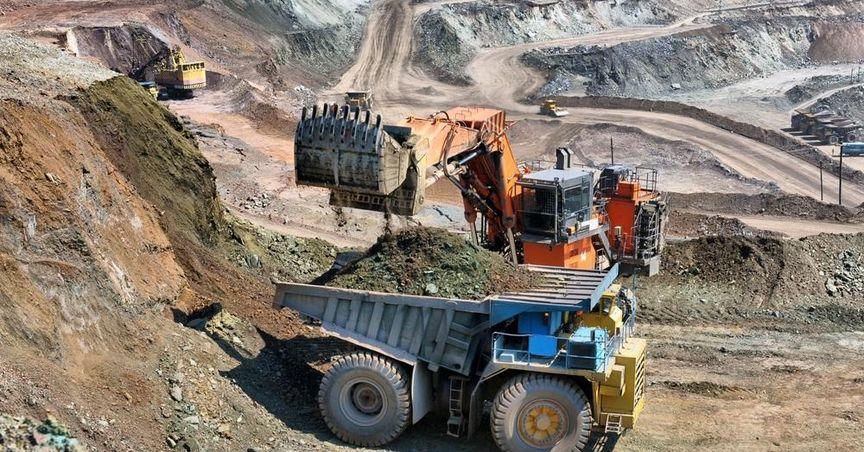
BHP’s iron ore developments highlight mining sector activity, reflecting how global demand and trade relationships influence trends within the ASX 200 and broader Australian equities.
The mining and resources sector represents a major component of Australian equities, encompassing companies engaged in extraction, processing, and export of key commodities. Within indices such as the ASX 200 and the broader All Ordinaries, large-cap mining companies play a defining role in shaping market composition. Iron ore producers, in particular, contribute significantly to economic activity due to their connection with global industrial demand and infrastructure development.
BHP Group Limited (ASX:BHP) operates as one of the leading resource companies within this sector, with operations spanning iron ore, copper, and other commodities. Its presence within major indices highlights the influence of large-scale mining operations on overall market trends. Developments related to commodity agreements and supply arrangements often draw attention, reflecting the importance of international trade relationships within the mining industry.
The mining sector’s position within Australian equities is shaped by global demand patterns, operational strategies, and commodity supply dynamics. This interconnected framework supports the sector’s ongoing influence within the broader market.
Iron Ore Developments and Trade Activity
Iron ore remains a central commodity within the global economy, forming a key input for steel production and infrastructure projects. Developments related to iron ore supply agreements often reflect broader trends in industrial demand and international trade.
BHP’s engagement in iron ore-related activity highlights the role of large-scale mining companies in supporting global supply chains. Agreements linked to overseas demand, particularly from major industrial economies, contribute to the movement of commodities across international markets. These developments illustrate how mining companies align their operations with global requirements.
Trade activity within the iron ore sector is influenced by a range of factors, including production capacity, logistical infrastructure, and demand from manufacturing industries. Companies operating in this segment often coordinate closely with international partners to ensure consistent supply flows.
Within the broader market environment, developments in iron ore activity contribute to the representation of mining companies in indices such as the asx all ords, reflecting how commodity-driven movements shape sector trends.
Commodity Demand and Global Market Dynamics
The mining sector operates within a global framework where commodity demand is closely linked to industrial production and economic activity. Iron ore demand is influenced by infrastructure development, construction projects, and manufacturing output, particularly in regions with large-scale industrial operations.
BHP’s operations are connected to these global dynamics, with its iron ore activities reflecting shifts in demand across international markets. Changes in trade relationships and economic conditions contribute to fluctuations in commodity activity, shaping how mining companies position their operations.
Global market dynamics also involve logistical considerations, including transportation networks and export infrastructure. These elements play a role in determining how commodities are delivered to international markets, influencing operational strategies within the mining sector.
The interaction between global demand and operational activity underscores the complexity of the resource industry. Companies operating within this space contribute to supply chains that support a wide range of industries, reflecting the importance of mining within the global economy.
Sector Diversification and Market Composition
The Australian equity market is characterised by its sectoral diversity, with mining companies forming a significant component alongside financials, healthcare, and technology. This diversity supports a balanced representation of economic activity, allowing different industries to contribute to overall market structure.
BHP operates within this diversified framework, interacting with other sectors to shape broader market trends. Developments within the mining sector often influence overall sentiment, reflecting the importance of resource-driven industries within Australian equities.
In addition to mining companies, thematic segments such as ASX dividend stocks contribute to the broader equity landscape. These segments highlight different approaches to market participation, reflecting the range of themes present within Australian markets.
The combination of multiple sectors and themes creates a comprehensive framework for understanding market dynamics. It underscores how different industries interact within the equity market, shaping overall trends and composition.
Evolving Trends in Mining and Equity Markets
The mining sector continues to evolve as companies adapt to changing economic conditions, technological advancements, and shifts in global demand. Iron ore producers remain central to these developments, contributing to the ongoing supply of materials used in infrastructure and manufacturing.
BHP’s iron ore activities reflect these broader trends, highlighting how companies align operational strategies with global market requirements. Developments related to supply agreements and trade relationships demonstrate the interconnected nature of the mining industry.
Market composition continues to shift as sectors respond to global developments and domestic conditions. The inclusion of mining companies within indices such as the asx all ords highlights their role in shaping the structure of the market.
The interaction between mining and other sectors underscores the dynamic nature of the Australian equity landscape. Companies across industries contribute to ongoing developments, reflecting the evolving composition of the market.
