
 AUS
AUS
 NZ
NZ
 UK
UK
 CA
CA
 USA
USA
 IND
IND



Highlights
- Rising share price changes buying power over time
- Commodity cycles continue to shape mining valuations
- Long-term performance highlights resilience of resources sector
BHP’s long-term share price growth highlights changing buying power, reflecting commodity cycles, strong iron ore performance, and increasing focus on copper demand in the Australian share market.
The Australian share market has long been shaped by the performance of major mining companies, and BHP Group Ltd (ASX:BHP) remains one of its most closely watched names. As a dominant force within the ASX 200, the company’s share price journey reflects broader trends across the resources sector, where cycles and global demand play a defining role.
Changing Buying Power Over Time
A comparison over time reveals how market movements can reshape investment outcomes. Several years ago, the same investment amount would have secured a larger number of BHP shares than it would today.
This shift is primarily driven by the company’s share price appreciation over the period. As the value per share increases, the number of shares that can be purchased with the same capital naturally declines.
Such changes highlight how market performance directly impacts accessibility for investors entering at different stages.
Commodity Cycles Remain Central
BHP operates in a cyclical industry, where performance is closely linked to commodity prices. Movements in iron ore, copper, and other resources significantly influence both earnings and share price trends.
Periods of strong demand and favourable pricing typically support higher valuations, while softer conditions can lead to pullbacks.
Understanding this cycle is essential when analysing long-term performance.
Iron Ore Anchors Stability
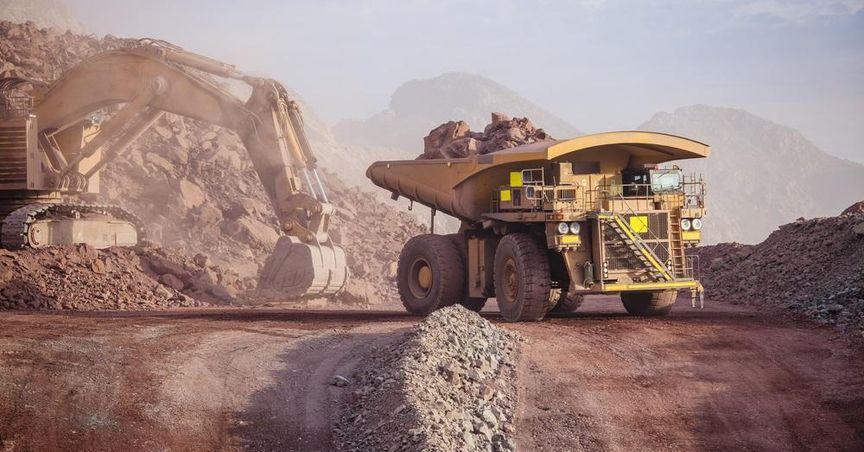
Iron ore continues to be a core driver of BHP’s operations. Consistent output from its Western Australia assets has supported stable performance, even during periods of market volatility.
Efficient infrastructure and operational scale allow the company to maintain production levels, reinforcing its position in global markets.
This stability plays a key role in balancing fluctuations across other segments.
Copper Adds Future Growth Dimension
While iron ore underpins current earnings, copper represents a significant growth avenue. The metal is increasingly important for global electrification, renewable energy, and digital infrastructure.
BHP’s exposure to copper provides alignment with long-term demand trends, adding another dimension to its investment profile.
This combination of present stability and future opportunity is a defining feature of the company.
Leadership Transition Signals Continuity
The company is undergoing a leadership transition, with a long-serving executive set to take on the top role. Such changes are often closely watched, as they can influence strategic direction and execution.
In this case, the transition appears structured to maintain continuity, with leadership drawn from within the organisation.
Stability in leadership can help support ongoing operational momentum.
Market Views Reflect Balanced Sentiment
Market sentiment around BHP remains mixed, reflecting the cyclical nature of the sector. Some perspectives highlight the strength of recent performance, while others focus on potential shifts in the commodity cycle.
This balance of views is typical for large mining companies, where outlooks can vary based on global demand expectations.
The company’s scale and diversification help it navigate these differing conditions.
Long-Term Perspective Remains Key
Looking beyond short-term fluctuations, BHP’s long-term performance illustrates the impact of sustained demand for essential resources. The company’s ability to adapt to changing market conditions has been central to its position in the Australian share market.
For observers, the evolution in share price and buying power serves as a reminder of how markets evolve over time.
BHP continues to play a central role in shaping the narrative of Australia’s resources sector.
