
 AUS
AUS
 NZ
NZ
 UK
UK
 CA
CA
 USA
USA
 IND
IND





Highlights
Australia equities remained largely unchanged with mixed sector direction across the market.
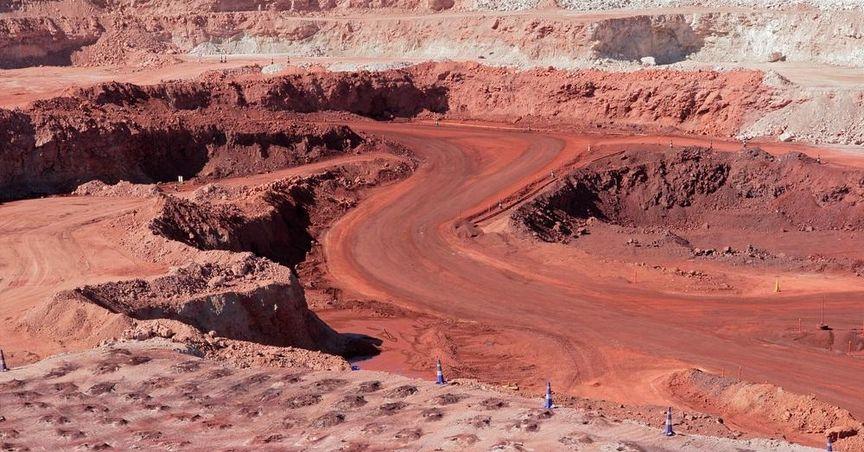
Mining sector activity drew focus following updated production details from Rio Tinto.
Broader sentiment reflected balance between resource strength and cautious positioning.
Australia shares remained flat as mining updates from Rio Tinto and mixed sector performance shaped ASX indices, reflecting balanced sentiment across the market.
Australia’s equity market, led by strong participation from mining and resource companies, recorded a flat session with limited directional movement across the ASX 200. The materials sector continues to play a defining role in shaping the broader index, with iron ore and copper producers forming a substantial portion of the market structure. Alongside financial institutions and energy companies, mining firms remain central to the overall composition of the Australian share market.
During the trading session, the mining sector attracted notable attention following operational updates from Rio Tinto (ASX:RIO). The company’s production details, particularly across copper equivalent output and iron ore shipments, contributed to sector-level engagement. As one of the prominent players within the materials space, Rio Tinto’s operational performance often aligns with broader trends across mining equities.
Australia’s market framework reflects the interconnected nature of commodities and equities, where developments in mining output and global demand patterns influence trading activity. The steady movement observed during the session reflected the balancing effect between resource-driven momentum and broader market positioning.
Rio Tinto Production Updates and Sector Influence
Rio Tinto reported higher production in copper equivalent output alongside updates in iron ore shipments, drawing attention across the mining segment. These developments highlighted the operational scale of the company’s diversified portfolio, which spans multiple commodities and geographic regions. The company’s activities remain closely tied to global demand for industrial metals and raw materials.
Iron ore continues to be a cornerstone of Australia’s export economy, and Rio Tinto’s production figures remain closely watched within the market. Variations in output levels can influence sector sentiment, given the company’s position within the broader mining landscape. Copper production also plays an important role, particularly as industrial demand shapes activity across global markets.
The impact of Rio Tinto’s operational updates extended beyond its own stock, influencing trading patterns across other mining companies. The interconnected nature of the materials sector means that developments within one major company can resonate across the entire segment. This dynamic contributed to the balanced market movement observed during the session.
Broader Market Trends Across Indices and All Ordinaries
While the primary index remained relatively flat, broader market indicators reflected similar patterns of stability. The asx all ords provided a wider perspective on market activity, capturing movements across a broader range of listed companies. The alignment between the benchmark index and the broader market highlighted the overall equilibrium present during the session.
Market breadth remained balanced, with advancing and declining stocks offsetting each other across various sectors. This distribution illustrated that while certain segments experienced movement, the overall market maintained stability. Large-cap stocks played a key role in maintaining this balance, given their influence on index performance.
Dividend-oriented equities also remained relevant, with attention directed toward ASX dividend stocks. These stocks often attract consistent interest due to their income-generating characteristics, contributing to their steady presence in market activity.
Across the broader indices, the interaction between defensive sectors and cyclical industries reflected the diversity of the Australian equity market. This interplay contributed to the steady performance observed across the trading session.
Global Commodity Trends and Investor Sentiment
Global commodity trends played a role in shaping the direction of Australia’s equities during the session. Movements in international markets, particularly those related to metals and energy, influenced trading behavior across the materials and energy sectors. These external developments often have a direct impact on Australia’s export-oriented industries.
Currency movements also contributed to the overall market dynamic, as fluctuations in the Australian dollar affect the competitiveness of exporters. Companies with significant international exposure may experience variations in revenue streams based on exchange rate changes, influencing their position within the market.
Investor sentiment remained measured, reflecting a cautious approach amid evolving global conditions. The flat performance of the index highlighted the balance between positive developments in the mining sector and broader market considerations. Institutional activity continued to play a significant role in shaping market movement, while retail participation added to overall liquidity.
The interaction between global factors and domestic market conditions underscored the complexity of Australia’s equity landscape. These influences contributed to the steady performance observed during the session.
Trading Activity, Sector Rotation, and Market Composition
Trading activity during the session reflected consistent engagement across sectors, with no single segment dominating overall movement. The balanced participation contributed to the flat outcome observed in the benchmark index.
Sector rotation remained a notable feature of the market, as investors adjusted positions across different industries. Defensive sectors such as healthcare and consumer staples displayed relative stability, while cyclical sectors such as materials and energy reflected variability linked to global conditions. This rotation highlighted shifting preferences across the market.
Large-cap stocks, particularly within the mining and financial sectors, continued to exert significant influence on index performance. Mid-cap and small-cap stocks contributed additional depth to the market, reflecting company-specific developments and sectoral trends. The interaction between these segments provided a comprehensive view of overall market activity.
The structure of the Australian equity market, characterized by its reliance on resources and financial institutions, continues to shape daily trading outcomes. The interplay between these sectors, combined with global influences, defines the direction and stability of the market.
