
 AUS
AUS
 NZ
NZ
 UK
UK
 CA
CA
 USA
USA
 IND
IND







Highlights
- Lithium remains a critical ingredient in batteries powering electric vehicles and energy storage systems.
- Demand is expanding beyond transport as large-scale battery storage becomes increasingly important for modern power grids.
- Companies including Pilbara Minerals, Liontown Resources and IGO provide exposure to the electrification trend through the Australian market.
The dramatic swings in lithium prices often dominate headlines, but they can distract from a much bigger story unfolding across the Australian stock market. Behind the volatility sits a structural shift that is reshaping global energy systems, transport networks and industrial supply chains. As electrification gathers pace worldwide, lithium has become one of the most strategically important resources of the modern era.
For Australian investors following the ASX 200, lithium remains closely linked to a long-term transition that extends far beyond short-term commodity cycles. Companies such as Pilbara Minerals (ASX:PLS) have become closely watched names as markets assess how the next phase of global electrification could influence demand for battery materials.
Why Lithium Sits at the Centre of the Energy Transition
Few commodities have become as closely associated with the energy transition as lithium. The metal's unique characteristics allow batteries to store significant amounts of energy while remaining relatively lightweight and rechargeable, making it a cornerstone of modern battery technology.
As governments, industries and consumers continue shifting towards cleaner energy solutions, lithium has emerged as an essential component in supporting that transformation. Electric vehicles, renewable energy infrastructure, consumer electronics and industrial energy systems all rely on battery technologies where lithium plays a central role.
This broad application base gives lithium a structural demand profile that differs from many traditional commodities. While cyclical factors still influence prices, the underlying trend is tied to the global push towards electrification and energy security.
The Electric Vehicle Revolution Continues
Transport Remains a Major Demand Engine
Electric vehicles continue to represent one of the largest sources of lithium consumption globally. Every battery-powered vehicle requires lithium-based battery chemistry, creating a direct link between vehicle adoption and lithium demand.
Automakers across major markets are expanding their electric vehicle offerings as consumers increasingly embrace battery-powered transport. This transformation is occurring across passenger vehicles, commercial fleets and public transportation systems.
The cumulative impact of this shift is substantial. As more vehicles move away from traditional internal combustion engines, battery production remains a critical part of automotive manufacturing strategies. This continues to support the broader outlook for lithium demand despite periodic fluctuations in the market.
More Than Just Passenger Cars
The electrification trend extends well beyond private vehicles. Electric buses, delivery fleets, industrial equipment and specialised transport solutions are also contributing to growing battery demand.
This diversification strengthens lithium's role within the broader energy transition and reduces reliance on any single transport segment.
Grid Storage Is Emerging as a Game Changer
The Rise of Battery Energy Storage Systems
While electric vehicles remain a major driver, another powerful source of demand has emerged in recent years: stationary energy storage.
Battery Energy Storage Systems are becoming increasingly important as electricity networks integrate larger amounts of renewable generation. Solar and wind energy can produce electricity intermittently, creating a need for reliable storage solutions that can balance supply and demand.
Large-scale battery projects allow excess renewable energy to be stored and dispatched when required, helping improve grid stability and reliability.
Supporting Renewable Energy Expansion
As renewable energy capacity continues to expand globally, battery storage is becoming an increasingly important companion technology.
Utilities, industrial operators and governments are investing in large-scale storage infrastructure to strengthen electricity networks and improve energy resilience. Lithium-ion battery technology remains one of the most widely deployed solutions for these applications.
The emergence of stationary storage as a major end market broadens lithium demand beyond transport and adds another layer of structural support to the sector.
Australia's Strategic Position in the Global Supply Chain
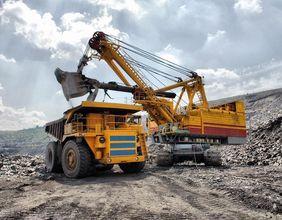
Australia has established itself as one of the world's leading lithium-producing nations. Its resource base, mining expertise and established export infrastructure have positioned the country as a key supplier to global battery supply chains.
This leadership has helped create a strong ecosystem of companies operating across exploration, development and production.
Many businesses within the sector are also recognised among leading ASX Lithium Stocks, reflecting Australia's importance in supplying materials needed for electrification and energy storage technologies.
The country's role extends beyond raw material production, with increasing attention being paid to downstream processing and value-added opportunities within battery supply chains.
Key Australian Lithium Players
Pilbara Minerals
Pilbara Minerals (ASX:PLS) operates one of Australia's most significant hard-rock lithium projects in Western Australia. The company has become a major supplier of spodumene concentrate and remains closely tied to global lithium market dynamics.
Its established operations provide direct exposure to lithium demand trends linked to electric vehicles and battery manufacturing.
Liontown Resources
Liontown Resources (ASX:LTR) has emerged as an important participant in Australia's lithium sector through its Western Australian operations.
The company's focus on lithium production places it within a group of businesses positioned to benefit from the growing role of battery materials in global energy systems.
IGO
IGO Limited (ASX:IGO) offers exposure to battery materials through a diversified portfolio that includes interests across the lithium value chain.
Its involvement in critical minerals and battery-related assets provides exposure to electrification themes while maintaining broader commodity diversification.
Looking Beyond the Commodity Cycle
Volatility Is Part of the Story
Lithium markets have experienced significant swings over recent years, demonstrating how quickly supply-demand balances can change.
Periods of strong demand growth often encourage new project development, which can eventually contribute to increased supply. Conversely, weaker market conditions can lead to project delays or production adjustments.
These cycles are common across commodity markets and are likely to remain a feature of the lithium sector.
Structural Demand Remains the Key Theme
Despite cyclical fluctuations, the broader electrification trend continues to shape the long-term narrative.
The transition towards cleaner transportation, renewable energy integration and advanced energy storage technologies creates an enduring foundation for lithium consumption.
For market participants assessing the sector, distinguishing between short-term market movements and long-term structural demand remains an important consideration.
The Broader Electrification Opportunity
Lithium's significance extends beyond individual companies or commodity price movements. The metal has become deeply embedded in one of the most important industrial transformations of the modern economy.
As nations pursue energy security, emissions reduction goals and greater electrification, battery technologies are expected to remain a crucial component of that transition. Lithium's role within those technologies helps explain why the commodity continues to attract attention despite periods of market volatility.
Australia's established position as a leading producer means local companies are closely connected to this evolving global trend. Whether through electric vehicles, renewable energy storage or broader battery applications, lithium remains central to the technologies shaping the future of energy.
