
 AUS
AUS
 NZ
NZ
 UK
UK
 CA
CA
 USA
USA
 IND
IND







Highlights
Austal secured patrol vessel contract within defence sector operations.
Shipbuilding activity reflected industrial and infrastructure development.
Defence sector participation linked to global security and logistics systems.
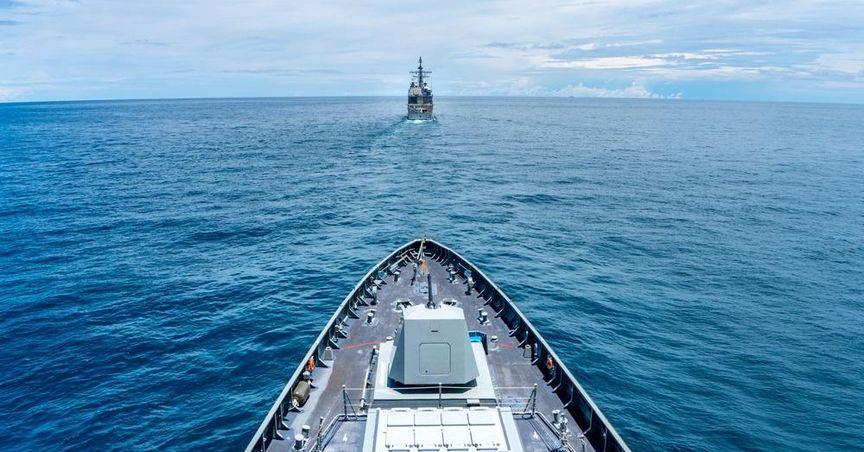
Austal’s patrol vessel contract reflected defence sector activity, shipbuilding operations, and integration across industrial, financial, and infrastructure systems.
The defence and industrial manufacturing sector continues evolving through developments in naval infrastructure, engineering systems, and global security frameworks supporting operational activity. Companies operating within this segment remain connected to broader participation across the ASX 200, where defence contractors, industrial manufacturers, and infrastructure providers contribute to economic systems. Sector engagement reflects developments across shipbuilding operations, engineering frameworks, and logistics networks supporting defence systems.
Austal Limited (ASX:ASB) operates within this environment through shipbuilding programs, naval engineering projects, and manufacturing systems supporting defence and maritime operations. The company’s activities include vessel construction, infrastructure coordination, and integration of engineering systems supporting operational delivery.
Industrial manufacturing companies remain interconnected with defence systems, logistics networks, and infrastructure frameworks supporting project execution. These systems enable coordination across shipyards, allocation of operational resources, and management of production workflows. Companies in this sector continue integrating engineering and operational frameworks to support defence activities.
Austal’s operational structure includes vessel design, construction processes, and project coordination systems supporting maritime infrastructure development. These elements contribute to participation within the broader defence ecosystem, linking industrial production with security and logistics frameworks.
Patrol Vessel Contract and Maritime Infrastructure Development
Shipbuilding contracts represent a key component of defence sector activity, involving design, construction, and delivery of naval vessels supporting maritime operations. These projects require coordination across engineering systems, manufacturing facilities, and logistical frameworks.
Austal’s patrol vessel contract reflects activity within maritime infrastructure development, involving construction of vessels designed for defence and security operations. These frameworks include engineering design, production processes, and coordination of delivery systems supporting operational requirements.
Maritime infrastructure includes shipyards, manufacturing facilities, and logistical systems supporting vessel construction and deployment. These systems enable coordination across production stages and contribute to project execution.
Engineering systems play a central role in vessel construction through design processes, material selection, and integration of operational systems supporting maritime functionality. These systems contribute to the development of defence infrastructure across regions.
Within the broader ASX 300, companies engaged in industrial manufacturing, engineering services, and logistics networks contribute to defence sector participation. These businesses support operational frameworks across maritime and industrial systems.
Shipbuilding activity remains interconnected with defence infrastructure, logistics systems, and industrial frameworks supporting global maritime operations.
Defence Sector Demand and Global Security Systems
The defence sector remains closely linked to global security systems, maritime operations, and infrastructure development supporting national and international requirements. Demand for defence infrastructure remains connected to operational readiness and security frameworks across regions.
Companies within the defence sector contribute through manufacturing of vessels, engineering systems, and infrastructure supporting maritime and security operations. These resources remain essential for operational systems requiring coordination across defence networks.
Global security systems involve coordination between governments, defence organisations, and industrial partners supporting infrastructure development. These systems contribute to the functioning of defence frameworks across markets.
Industrial infrastructure supports defence production through manufacturing facilities, transportation systems, and supply chains enabling delivery of equipment and services. These systems ensure coordination across operational frameworks.
Within the broader ASX 100, companies engaged in industrial services, defence infrastructure, and engineering systems contribute to sector participation. These businesses operate within interconnected systems supporting defence frameworks.
Defence demand remains influenced by developments across security systems, maritime operations, and infrastructure requirements supporting global operations.
Financial Systems and Market Participation
Financial systems play a central role in supporting industrial and defence companies through capital allocation, funding frameworks, and transaction processing. These systems enable companies to manage financial operations and support project execution.
Equity markets provide a platform for participation, enabling companies to engage with financial institutions and broader market participants. These systems support the structuring of financial frameworks and operational funding requirements.
The ASX All Ordinaries reflects a wide range of companies operating across industrial manufacturing, defence services, and financial sectors. This diversity highlights the interconnected nature of market participation across industries.
Banking institutions and financial service providers support capital allocation through lending systems, transaction processing, and financial infrastructure. These systems enable companies to manage financial operations and support infrastructure development.
The category of ASX dividend stocks includes infrastructure and industrial companies connected to operational systems supporting defence and manufacturing sectors. These businesses contribute to broader market participation through financial and service delivery frameworks.
Financial systems remain interconnected with operational frameworks, enabling companies to coordinate capital allocation and project execution across industrial sectors.
Technology Integration and Industrial Engineering Systems
Technology systems continue shaping the defence and manufacturing sector through digital platforms, data management systems, and communication networks supporting operational efficiency. These technologies enable companies to manage production systems and maintain connectivity across operations.
Digital platforms support design processes, data management, and operational coordination across engineering systems. These systems enable companies to maintain efficiency across shipbuilding and manufacturing processes.
Logistics systems remain integrated with technology infrastructure through tracking systems, communication networks, and operational management tools supporting supply chain coordination. These frameworks enable the movement of materials and components across production stages.
Industrial engineering systems include manufacturing processes, material handling, and assembly frameworks supporting vessel construction and infrastructure development. These systems remain interconnected with broader industrial activity across markets.
Telecommunications providers support connectivity through network infrastructure enabling communication across industrial systems. These services remain essential for coordination across production and operational frameworks.
Data infrastructure supports storage and processing of information related to engineering systems, logistics networks, and production workflows. These technologies enable companies to maintain structured operations and manage project execution.
The defence and industrial sector continues reflecting integration across technology systems, engineering frameworks, and financial infrastructure supporting shipbuilding and market participation.
