
 AUS
AUS
 NZ
NZ
 UK
UK
 CA
CA
 USA
USA
 IND
IND







Highlights
Defence panel inclusion lifts attention on counter-drone capabilities
Contract visibility and delivery timelines remain in focus
Broader defence technology theme stays active on the ASX
DroneShield’s inclusion in a key defence supply panel has renewed market attention, shifting focus toward contract pathways, procurement timelines, and the broader role of counter-drone systems within Australia’s evolving defence framework.
Defence Panel Selection Brings DroneShield Into Focus
DroneShield Ltd (ASX:DRO) drew fresh attention after confirming its inclusion on the Defence LAND 156 Line of Effort panel, a move that places the counter-drone technology specialist among a pre-qualified group of suppliers supporting Australia’s defence modernisation efforts. The announcement arrived after the local trading session, prompting renewed discussion around future contract visibility and execution momentum.
The LAND 156 program plays a central role in strengthening the Australian Defence Force’s approach to managing unmanned aerial threats. By streamlining access to tested and approved technologies, the initiative aims to shorten procurement cycles while ensuring operational readiness. DroneShield’s presence on the panel positions the company within this evolving framework, though panel status itself does not confirm immediate project allocation.
Market participants often view such defence milestones as credibility markers rather than direct revenue signals. Still, inclusion can sharpen focus on a company’s technical readiness, supply capability, and alignment with national security priorities.
Understanding What Panel Status Really Means
A defence panel operates as a curated supplier list, enabling government agencies to move more efficiently once specific needs are identified. For companies like DroneShield, this means reduced barriers when opportunities arise, rather than guaranteed work.
Historically, panel selection tends to precede a longer evaluation phase that includes system trials, performance benchmarking, and logistical assessments. Actual procurement decisions depend on a mix of operational requirements, budget allocations, and strategic urgency.
This distinction matters for market watchers. Initial announcements often drive sentiment, while subsequent updates around scope, delivery, or operational deployment provide clearer insight into commercial outcomes.
Why the Timing Matters for the Market
The update arrived at a moment when defence and security themes remain prominent across the ASX stock market. Global attention on drone technology, surveillance systems, and electronic warfare has kept the sector under close watch, especially among companies with domestic defence exposure.
For DroneShield, the timing also aligns with an upcoming reporting period, increasing anticipation around commentary on order pipelines, customer engagement, and product development. Investors typically look for qualitative signals around momentum rather than short-term financial impact in such cases.
Defence procurement, by nature, follows extended timelines. This can test market patience, particularly when expectations run ahead of formal contract announcements. As a result, communication clarity becomes just as important as technical capability.
Broader Defence and Technology Context on the ASX
DroneShield’s panel inclusion highlights a wider trend across Australian equities, where specialised technology providers increasingly intersect with government and defence demand. This trend is visible not only within defence-focused firms but also across adjacent segments such as cybersecurity, communications, and advanced manufacturing.
Within benchmark groupings like the ASX100, ASX200, and ASX300, investors often track how emerging technology names integrate into long-term national strategies. Defence exposure can add resilience to business models, though it also introduces complexity tied to regulatory oversight and procurement discipline.
The story also complements activity seen in other thematic areas, including innovation-driven industrials and even select segments of ASX mining stocks, where advanced materials and sensing technologies play a role in security and infrastructure projects.
Market Behaviour and Short-Term Volatility
Defence announcements frequently influence short-term trading behaviour, particularly when news arrives outside standard trading hours. Such updates can lead to recalibration as the market digests implications ahead of the next session.
In DroneShield’s case, attention has also been shaped by recent regulatory disclosures, which often add to near-term volatility without altering long-term fundamentals. These movements reflect the dynamic nature of smaller, technology-driven defence names, where sentiment can shift quickly on incremental news.
Over time, however, sustained valuation support typically comes from execution milestones rather than panel credentials alone.
What Investors Are Watching Next
Following panel inclusion, focus naturally turns to follow-up communication. Key areas of interest include clarity on engagement scope, testing progress, and potential deployment pathways. Updates tied to defence collaboration, manufacturing readiness, or international outreach may also influence perception.
Investors often differentiate between symbolic milestones and operational progress. While the former establishes relevance, the latter confirms traction. For defence-aligned companies, this balance is crucial in maintaining market confidence through extended procurement cycles.
At a broader level, interest in defence technology remains intertwined with Australia’s strategic priorities, funding commitments, and regional security outlook.
Position Within Australia’s Defence Landscape
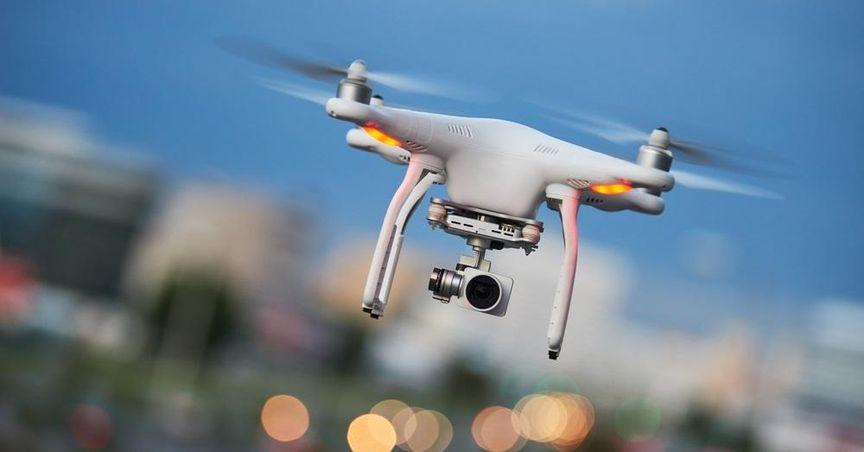
DroneShield’s technology portfolio aligns with a growing emphasis on counter-drone measures, an area gaining importance as unmanned systems become more accessible and sophisticated. The ability to detect, identify, and mitigate aerial threats has become a core requirement for modern defence forces.
Participation in national programs reinforces a company’s standing within this ecosystem. It also opens the door to collaboration across agencies and allied partners, expanding relevance beyond a single initiative.
This positioning may resonate with long-term investors seeking exposure to innovation-driven defence themes within the Australian market.
Connecting Defence Trends With Broader Market Themes
The defence technology narrative intersects with other popular investment themes, including infrastructure protection, digital resilience, and sovereign capability development. These themes often feature alongside income-focused strategies such as ASX dividend stocks, highlighting how diverse segments contribute to overall market depth.
As part of the wider ASX stock market, defence-linked companies occupy a unique space where public policy, technology, and commercial execution converge.
