
 AUS
AUS
 NZ
NZ
 UK
UK
 CA
CA
 USA
USA
 IND
IND







Highlights
European defence focus lifts counter-drone adoption
Long-term contracts strengthen global visibility
Advanced systems drive recurring defence demand
Growing security priorities across Europe are accelerating demand for counter-drone systems, positioning specialist defence technology providers at the centre of modern military and infrastructure protection strategies.
Rising geopolitical complexity across Europe is reshaping defence priorities, with counter-drone systems moving from limited testing environments into operational use. This shift has drawn attention to DroneShield (ASX:DRO), which recently secured a defence supply agreement in Belgium, reflecting broader momentum for counter-drone solutions across global security networks. The development highlights how modern defence planning increasingly centres on aerial threat mitigation, border security, and protection of critical infrastructure.
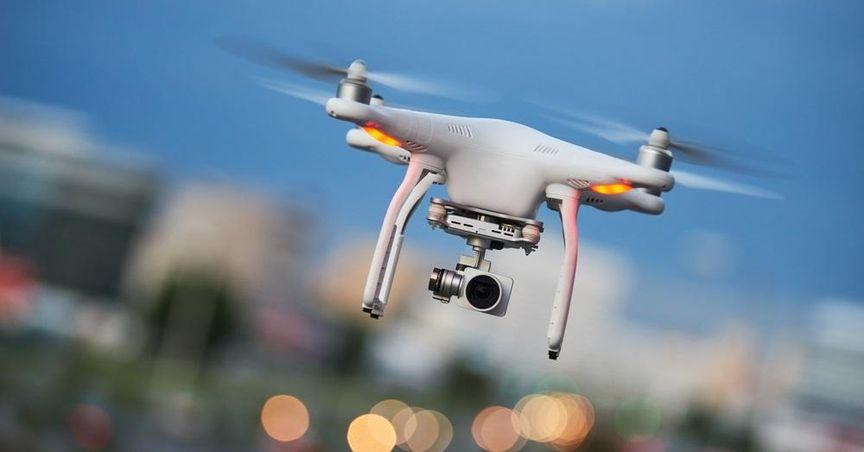
As drone usage expands across civilian and military domains, governments are investing heavily in technologies that can detect, track, and neutralise unauthorised aerial activity. Counter-drone platforms now play a central role in safeguarding airports, military installations, public venues, and energy assets, reinforcing their strategic relevance within the evolving defence landscape.
Why Counter-Drone Systems Are Gaining Strategic Importance
Unmanned aerial vehicles have become more accessible, versatile, and difficult to detect using traditional defence methods. Their deployment in surveillance, logistics, and hostile activities has introduced new security challenges that conventional radar and air defence systems are not always designed to address.
Counter-drone technology fills this gap by offering specialised detection, identification, and mitigation capabilities. These systems combine electronic warfare tools, signal analysis, and sensor integration to respond quickly to low-altitude threats. As a result, defence agencies are shifting resources toward dedicated counter-drone frameworks rather than adapting legacy platforms.
This transition is visible across Europe, where defence agencies are increasingly prioritising readiness against asymmetric aerial threats. The latest Belgian agreement reflects a broader move toward operational deployment rather than experimental evaluation.
From Trial Programs to Operational Deployment
Earlier adoption of counter-drone solutions often focused on pilot programs, training exercises, and controlled demonstrations. Today, procurement patterns suggest a transition toward real-world deployment across multiple defence environments.
The Belgian contract underscores this shift, signalling confidence in handheld counter-drone systems designed for field operations. Such equipment supports frontline personnel by offering mobility, rapid response, and adaptability in complex environments.
This evolution mirrors a wider trend across defence procurement, where emphasis is placed on flexibility and integration rather than standalone systems. Counter-drone platforms increasingly operate alongside intelligence networks, command systems, and broader airspace security frameworks.
Technology Innovation Driving Defence Confidence
Modern counter-drone solutions rely on a combination of artificial intelligence, sensor fusion, and signal intelligence. These capabilities allow systems to distinguish between authorised and unauthorised aerial activity, reducing false alerts while maintaining rapid response readiness.
Ongoing investment in software-driven detection enhances system performance over time, allowing defence operators to adapt to emerging drone designs and tactics. Subscription-based service models further support continuous updates, training support, and threat intelligence integration.
This technology-first approach supports recurring engagement rather than one-off equipment delivery, aligning with defence agencies seeking long-term capability assurance.
Global Manufacturing and Supply Chain Resilience
As demand grows, defence customers increasingly assess supply chain resilience and manufacturing scalability. Counter-drone providers with diversified production capabilities across multiple regions are better positioned to support international orders and evolving operational requirements.
Expanded manufacturing footprints help reduce delivery timelines, manage geopolitical risk, and support regional maintenance needs. These factors are particularly important for defence agencies prioritising readiness and operational continuity.
The ability to support multinational deployment strengthens confidence among international customers and reinforces the long-term relevance of counter-drone platforms within defence planning cycles.
Investor Sentiment Reflects Sector-Wide Momentum
Market interest in defence technology has increased alongside heightened geopolitical uncertainty. Counter-drone systems, in particular, attract attention due to their relevance across military, homeland security, and critical infrastructure protection.
While defence contracts can be irregular in timing, the expanding scope of counter-drone adoption suggests sustained engagement across multiple regions. This broader adoption helps balance individual contract variability and supports long-term industry growth.
Interest in defence innovation also aligns with wider engagement across the ASX stock market, where security, aerospace, and advanced manufacturing themes continue to draw attention amid global uncertainty.
Position Within the Broader Defence and Market Landscape
Counter-drone technology does not operate in isolation. It intersects with aerospace, cybersecurity, communications, and data analytics, creating opportunities for cross-sector collaboration.
Within Australian equities, defence innovation sits alongside interest in diversified sectors such as ASX mining stocks, industrial manufacturing, and advanced technology. Defence technology exposure also overlaps with broader indices including the ASX100, ASX200, and ASX300, where global exposure and innovation leadership remain key themes.
As defence spending evolves, counter-drone systems are expected to remain embedded within national security strategies, reinforcing their strategic relevance across market cycles.
Risks and Considerations in Defence Technology Adoption
Despite strong momentum, defence procurement remains complex. Contract timing, regulatory approvals, and shifting policy priorities can influence deployment schedules. Additionally, defence agencies often require extensive testing, certification, and integration before scaling deployment.
Technology providers must also continuously innovate to stay ahead of evolving drone capabilities. This requires sustained investment in research, development, and threat intelligence.
These factors highlight the importance of long-term planning, operational reliability, and adaptive technology frameworks within the counter-drone sector.
Looking Ahead for Counter-Drone Solutions
The increasing integration of unmanned systems across civilian and military domains ensures that counter-drone technology remains a focal point for defence planners. As drone capabilities evolve, so too will the need for advanced detection, identification, and mitigation tools.
European defence engagement reflects a broader global pattern, where security agencies prioritise readiness against emerging threats. Counter-drone platforms that combine mobility, intelligence, and scalability are likely to remain central to this evolving landscape.
