
 AUS
AUS
 NZ
NZ
 UK
UK
 CA
CA
 USA
USA
 IND
IND







Highlights
- Rail infrastructure and bulk freight operations in Australian transport sector
- Capital structure adjustments and incentive framework for Aurizon (ASX:AZJ)
- Positioning within top ASX 100 companies and broader market context
This article details Aurizon (ASX:AZJ) operations, share cancellation, incentive framework, and positioning within the ASX 100, highlighting rail freight and bulk logistics sector context.
The rail transport and bulk logistics sector in Australia includes companies operating freight networks, rail infrastructure, and related services. Aurizon Holdings (ASX:AZJ) is a leading entity in this sector, providing integrated freight solutions for coal, bulk commodities, and containerised goods. The company is part of the ASX 100, situating it among the Top 100 Australian Companies and giving context within the ASX 100 stock list for market comparison and broader operational visibility. Aurizon contributes to the top ASX 100 through extensive freight operations and regulated infrastructure services.
Aurizon (ASX:AZJ) Business Overview
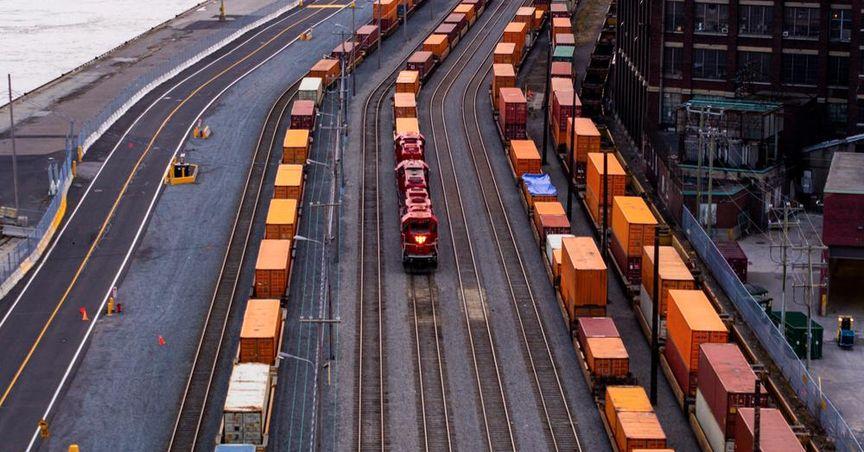
Aurizon (ASX:AZJ) operates a network of rail and logistics services across Australia, focusing primarily on bulk commodities and containerised freight. Services include rail haulage, network access, and related support services, providing operational coverage across multiple mining and industrial regions. Aurizon maintains a focus on efficiency, network reliability, and operational safety while aligning services with regulated infrastructure requirements.
Operational Scope and Sector Positioning
The company’s operations are concentrated in coal, iron ore, and other bulk freight segments, supplemented by containerised logistics for industrial customers. Aurizon (ASX:AZJ) functions within a regulated framework that defines track access, safety compliance, and environmental management standards. Sector participants such as Aurizon navigate regulatory oversight and market demand, with operational effectiveness and service continuity being key factors in performance assessment.
Capital Structure and Share Cancellation
Aurizon (ASX:AZJ) recently completed on-market share cancellation, removing a substantial portion of issued ordinary shares and lapsing unvested performance rights. These actions reduce potential dilution and form part of broader capital management measures. Aurizon continues to manage its equity base while maintaining alignment with regulatory reporting and corporate governance obligations.
Incentive and Performance Framework
The lapse of performance rights aligns with standard corporate incentive frameworks, designed to monitor and manage equity-based compensation. Aurizon (ASX:AZJ) maintains disclosure regarding incentive plans in accordance with market regulations, providing transparency on potential future equity issuance without implying immediate operational impact.
Revenue Streams and Commodity Exposure
Aurizon (ASX:AZJ) derives revenue primarily from coal and bulk commodity transport, supplemented by containerised freight operations. Concentration within specific commodity segments remains a notable aspect of operational structure. The company navigates market fluctuations in coal and bulk freight while adhering to network access regulations and long-term contractual arrangements.
Industry Dynamics and Operational Considerations
The Australian rail freight sector is shaped by regulatory frameworks, commodity market cycles, and infrastructure investment requirements. Aurizon (ASX:AZJ) operates within these dynamics, with efficiency and operational continuity being key focus areas. Competitors and peers in the top ASX 100 companies face similar operational and regulatory environments, where infrastructure maintenance and network utilisation drive service capability.
ASX 100 Positioning and Market Context
Aurizon (ASX:AZJ) is a constituent of the ASX 100, and references such as top ASX 100 or ASX 100 stock list provide context for scale and comparative market presence. The company’s activities in bulk freight and containerised logistics contribute to its standing within the Top 100 Australian Companies while reflecting sector-specific operational priorities.
