
 AUS
AUS
 NZ
NZ
 UK
UK
 CA
CA
 USA
USA
 IND
IND


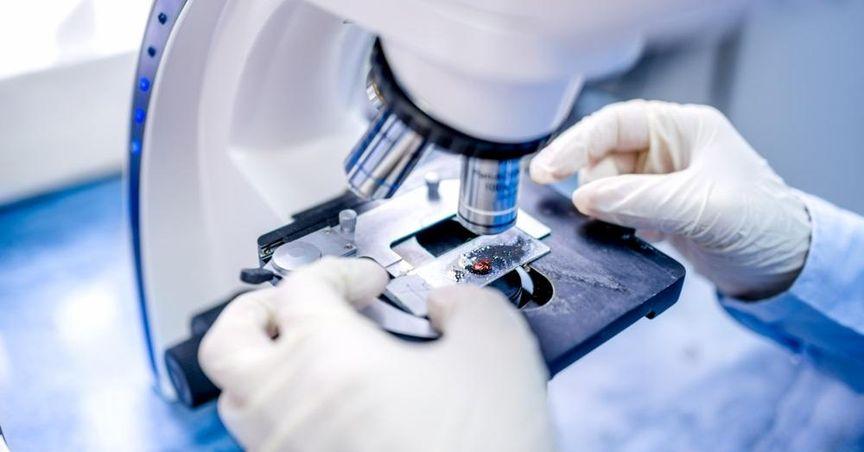





Regenerative medicine is revolutionizing health care by focusing on repairing, replacing, or regenerating damaged or diseased cells, tissues, or organs to restore normal function. This emerging field integrates biology, engineering, and clinical practices to develop innovative therapies aimed at addressing the root causes of conditions rather than just managing symptoms.
Cell Therapy
Cell therapy uses living cells to repair or replace damaged tissues. Stem cells, which have the potential to become various types of cells, are often employed in this field. These cells can be derived from the patient's own body (autologous therapy) or from donors (allogeneic therapy). They are injected into damaged areas where they can grow and replace lost or injured tissue. For example, Australian biotech company Orthocell Ltd (ASX:OCC) is developing an autologous tendon therapy that uses the patient’s own tendon-derived cells to treat chronic tendon injuries, aiming to reduce pain and restore function.
Tissue Engineering
Tissue engineering involves creating scaffolds from biomaterials that can be implanted into the body to support new tissue growth. These scaffolds may be seeded with cells before implantation or designed to attract the body’s own cells to initiate repair.
Gene Therapy
Gene therapy, closely related to regenerative medicine, modifies or introduces genes into a patient's cells to treat or prevent disease. This can involve correcting defective genes or introducing new genes to enhance cell function and regeneration.
Biomaterials
Biomaterials, which can be natural or synthetic, are designed to interact with biological systems. In regenerative medicine, they are used to create scaffolds or implants that support tissue regeneration or deliver cells and drugs.
Bioprinting
Bioprinting, a cutting-edge technology, utilizes 3D printing techniques to create complex tissue structures layer by layer using bioinks composed of living cells and other biological materials. This technique allows for precise tissue creation.
Clinical Applications
Regenerative medicine offers curative treatments that restore function and improve quality of life across various medical fields. Applications include:
- Orthopaedics: Repairing bones and joints
- Cardiology: Regenerating heart tissue after a heart attack
- Neurology: Treating spinal cord injuries
- Dermatology: Healing burns or chronic wounds
Notable examples include lab-grown skin for burn victims and the potential to restore vision for conditions like macular degeneration or corneal damage. Gene therapy may also address genetic disorders, such as cystic fibrosis, by delivering corrected genes to patient cells.
Challenges and Ethics
The field raises ethical and regulatory questions, particularly regarding the use of embryonic stem cells. The development of induced pluripotent stem cells (iPSCs) provides an alternative that avoids these ethical concerns. Additionally, regenerative therapies are subject to stringent regulations by bodies like the US Food and Drug Administration (FDA) and the European Medicines Agency (EMA) to ensure safety and efficacy.
Despite the challenges, the significant potential benefits of regenerative medicine continue to drive progress in the field, offering new solutions for previously untreatable conditions.
