
 AUS
AUS
 NZ
NZ
 UK
UK
 CA
CA
 USA
USA
 IND
IND


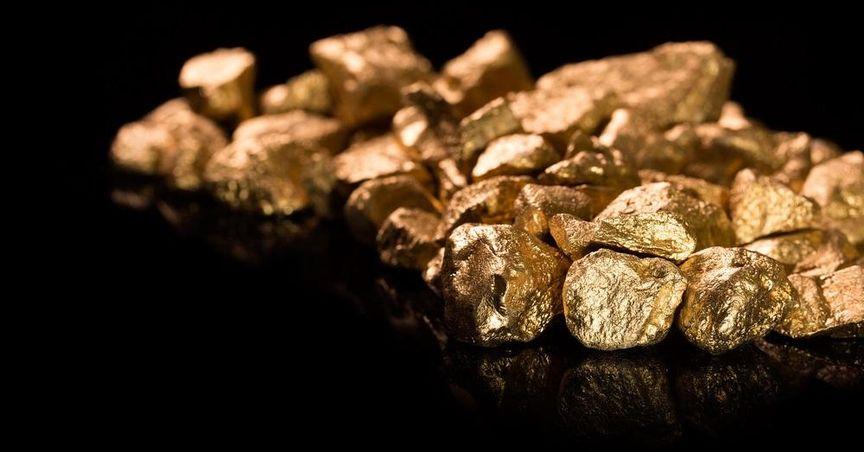





The recent surge in gold prices to new highs, amidst strong equity and bond markets, is creating a potentially risky environment for complacent financial markets. This is the concern raised by ING after gold's climb above $US2500 per ounce this week, following US Federal Reserve Chairman Jerome Powell's announcement that it is time to begin reducing interest rates.
The prospect of rate cuts in the world’s largest economy has triggered rallies in both equity and bond markets, propelling Bloomberg’s benchmark for the 60:40 portfolio (60 percent stocks, 40 percent bonds) to a record high. Gold prices have already risen by more than 20 percent this year, with analysts projecting further increases.
Markets are currently pricing in an ideal scenario where inflation remains controlled and the Federal Reserve’s rate cuts are sufficient to prevent a significant rise in unemployment or a US recession. This has spurred a sharemarket rally and also strengthened gold, traditionally seen as a store of value, amid falling Treasury yields and a weaker US dollar. However, strategists warn that it is crucial to delve deeper into the factors driving the rise in gold prices.
“Everything is up, that can’t last,” said Padhraic Garvey, ING’s regional head of Americas research, in a report. He suggested that the new high in gold prices might later be viewed as a missed warning sign, potentially indicating more turbulent times ahead for financial markets.
Geopolitical tensions have further fueled gold’s appeal as a safe haven. At the same time, a quieter trend is emerging in the background: countries building their gold reserves. This has been popular among nations grappling with high inflation, such as Turkey and Argentina, but ING also notes that China and Russia have been increasing their gold holdings while reducing their exposure to the US dollar.
The bank compared this to Russia’s move to liquidate most of its Treasury holdings before its invasion of Ukraine. “Both [China and Russia] have an interest in covertly doing whatever might undermine the dollar,” Garvey stated. “US Treasuries are still well demanded, but we need to continue to monitor this space.”
China’s central bank has shifted its massive foreign exchange reserves away from US Treasuries and towards gold, aiming to reduce its dependence on the US dollar as a reserve currency. This strategic shift has been a significant factor behind gold's rise earlier this year, despite markets reducing their expectations for Fed rate cuts, which had supported the US dollar. Historically, gold prices and the dollar have an inverse relationship.
“There’s been a clear shift in the way China manages its reserves, primarily driven by de-dollarisation,” said Daniel Hynes, a senior commodity strategist at ANZ. “China’s continued efforts to create a financial system that is less dependent on the US dollar have been evident through its push to use the renminbi in more transactions. In terms of its reserves, the strong accumulation of gold has been a key aspect of this strategy.”
The US has traditionally leveraged the financial system to exert global influence, which conflicts with China’s interests, particularly if President Xi Jinping advances his goal of unifying Taiwan with the mainland. Maintaining leverage over China is also critical for the US, especially if there is a resurgence of trade tensions under a potential future administration led by Donald Trump.
Kyle Rodda, senior analyst at Capital.com, explained, “After Russia invaded Ukraine, accounts and assets were frozen, and they were excluded from the SWIFT banking system. China doesn’t want to be exposed to such risks, where if relations with the US deteriorate, they might lose access to their assets.”
