
 AUS
AUS
 NZ
NZ
 UK
UK
 CA
CA
 USA
USA
 IND
IND







Highlights
ASX 200 maintains firm year-to-date progress across major sectors.
Financial institutions and mining shares contribute to benchmark resilience.
Broader sentiment reflects domestic fundamentals and global market cues.
ASX 200 maintains steady yearly progress, supported by financial and mining sectors, with broad participation across Australia’s benchmark indices.
equity market spans banking, mining, healthcare, telecommunications, consumer goods, and energy sectors, represented through major benchmarks such as the ASX 200, ASX 100, ASX 50, and the All Ordinaries. These indices collectively illustrate the structure of the national share market and the distribution of capital across industries. During the current calendar year, the ASX 200 has recorded a notable advance, reflecting sustained engagement across large-cap constituents.
The benchmark includes leading corporations such as Commonwealth Bank of Australia (ASX:CBA), whose index weighting plays a meaningful role in shaping overall direction. Activity across financial institutions, mining enterprises, and consumer-facing businesses has contributed to the index’s steady climb.
Financial companies remain foundational to Australia’s listed landscape. Major banks and diversified financial groups occupy significant positions within the ASX 200 and ASX 100, meaning trading in these counters can influence aggregate performance. Domestic lending conditions, corporate borrowing activity, and household demand form part of the environment in which these institutions operate.
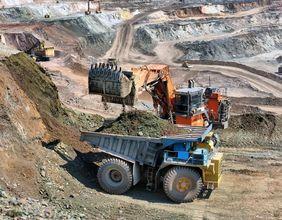
Resource companies also maintain strong representation within the benchmark. Australia’s standing as a major exporter of iron ore and other commodities ensures that materials stocks hold substantial weight. Within the broader segment of ASX mining stocks, diversified producers and mid-tier operators contribute to overall market breadth.
The year-to-date advance in the ASX 200 reflects participation across both cyclical and defensive industries. Healthcare, consumer staples, and telecommunications groups have complemented activity within banking and mining, creating a diversified performance profile.
Financial Sector Influence on Index Movement
Banks and financial institutions account for a considerable share of total market capitalisation in Australian benchmarks. Their presence across indices such as the ASX 100 reinforces their structural importance within the equity market.
Throughout the year, steady trading engagement in financial counters has contributed to benchmark stability. Domestic housing activity, enterprise lending trends, and capital management initiatives often intersect with banking performance. Corporate disclosures have outlined operational frameworks, funding structures, and cost controls that shape trading sentiment.
Financial stocks frequently act as indicators of domestic economic engagement. When banking shares experience collective movement, the broader index can respond accordingly due to their weighted influence. Exchange-traded funds linked to benchmark indices may also reflect fluctuations within major financial constituents.
Superannuation funds and institutional asset managers maintain allocations to established banking names, reinforcing the centrality of the sector in portfolio construction. This structural positioning supports the influence of financial counters on overall index direction.
Companies recognised among ASX dividend stocks often include established financial institutions known for structured distribution frameworks. While distribution policies vary between reporting cycles, the sector’s presence contributes to the benchmark’s composition. The financial segment’s role in the ASX 200’s yearly progress highlights its weight within Australia’s capital markets.
Materials and Mining Sector Contribution
The materials industry remains a defining feature of the Australian equity market. Mining corporations engaged in iron ore, gold, lithium, and diversified commodities carry substantial index weightings.
Within the universe of ASX ordinaries stocks, resource companies reflect the nation’s export-driven economic profile. Commodity demand from global trading partners often influences sentiment surrounding mining counters.
The ASX 200’s yearly movement has aligned with continued participation in materials shares. Commodity supply conditions, industrial activity levels, and infrastructure investment globally contribute to sector engagement.
Large-cap miners, mid-tier producers, and exploration entities collectively form the materials allocation within benchmark indices. Their operational updates and production disclosures play a role in shaping market activity.
Mining counters frequently respond to global commodity cycles. Although daily fluctuations occur, the cumulative contribution of materials stocks remains significant because of their market capitalisation.
Energy producers also complement the broader resources landscape. Oil and gas operators add diversification within the materials and energy segments, reflecting international demand patterns and supply considerations.
As the calendar year advances, the materials sector continues to anchor a meaningful portion of the ASX 200’s composition.
International Context and Broader Market Drivers
Australia’s equity market operates within a globally interconnected environment. Developments across overseas financial centres, currency movements, and macroeconomic shifts can influence domestic trading conditions.
The ASX 200’s year-to-date progress has occurred alongside broader global equity engagement. International central bank communication, corporate reporting cycles, and fiscal developments provide contextual backdrop to local performance.
Regional trade relationships remain central to Australia’s economic framework. Export volumes, commodity shipments, and cross-border investment flows can intersect with equity sentiment.
Currency stability also shapes market engagement. Movements in the Australian dollar relative to other major currencies may influence capital allocation decisions and corporate revenue translation.
Technology, healthcare, and consumer sectors contribute to diversified participation beyond financials and materials. Although the largest weightings sit within banking and mining, additional industries enhance overall market breadth.
The ASX 300 captures a broader selection of listed entities beyond the top tier, providing insight into mid-cap and emerging corporate participation. Movements within this expanded index complement trends observed in the ASX 200.
Institutional investment vehicles tracking these benchmarks support liquidity and structured allocation across constituent companies. Passive strategies linked to index composition can amplify trading in heavyweight names.
Market Outlook Discussions and Benchmark Positioning
Throughout the calendar year, market discourse has referenced varying outlook scenarios for the ASX 200. Conversations surrounding year-end positioning often revolve around sector balance, economic indicators, and corporate performance trends.
While outlook figures circulate within financial commentary, benchmark direction ultimately reflects real-time engagement across constituent shares. Movement in banking, mining, healthcare, and consumer stocks collectively shapes index performance.
The diversified structure of the ASX 200 allows offsetting effects between sectors. Strength in one segment may counterbalance moderation in another, contributing to the overall trajectory of the benchmark.
Corporate updates issued during the year outline operational priorities, capital allocation decisions, and expenditure frameworks. These elements interact with macroeconomic conditions to influence trading behaviour.
The All Ordinaries index encompasses a wider array of listed companies, offering additional perspective on overall market breadth. Participation across this broader benchmark complements activity within the ASX 200 and ASX 100.
Institutional and retail participants continue to monitor sector composition, macroeconomic developments, and corporate disclosures as the year progresses. The ASX 200’s steady advance reflects aggregated activity across Australia’s leading listed corporations rather than isolated developments.
