
 AUS
AUS
 NZ
NZ
 UK
UK
 CA
CA
 USA
USA
 IND
IND






Highlights
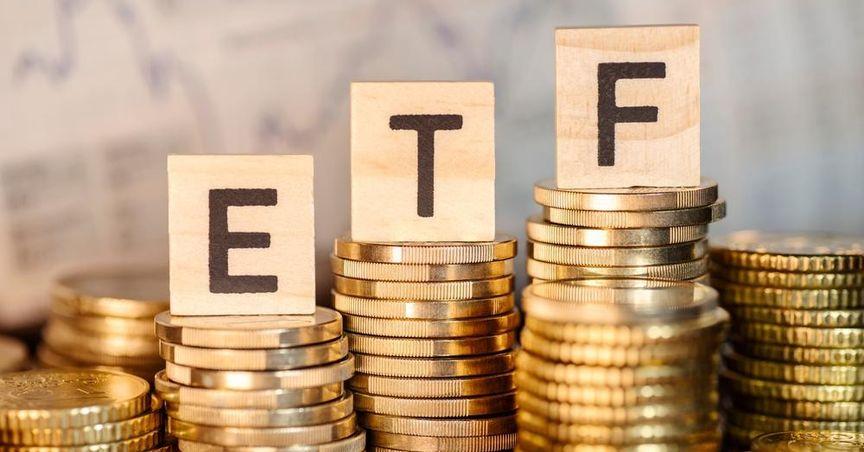
Core equity ETFs remain important as markets react to rates, inflation and sector rotation.
Vanguard Australian Shares Index ETF (ASX:VAS), Global X Physical Gold ETF (ASX:GOLD), VanEck Australian Equal Weight ETF (ASX:MVW) and Vanguard Australian Shares High Yield ETF (ASX:VHY) help frame the ETF theme.
Portfolio construction, market breadth and valuation pressure remain key filters.
Core ASX ETFs remain important as market uncertainty keeps attention on broad exposure, income funds, gold products and sector balance across changing conditions.
Australia’s market mood remains jumpy, but core exchange traded funds continue to hold attention because they offer a simple way to track broad market exposure without relying on a single company story. Vanguard Australian Shares Index ETF (ASX:VAS) sits at the centre of this discussion as local exposure, inflation uncertainty and rate expectations keep ETF Stocks in focus across the ASX 200 backdrop.
Why core ETF demand still matters
Core equity ETFs remain relevant because they give market participants a broad reading of Australian shares. In uncertain conditions, these funds can become a default lens for those comparing local companies, sector leadership and macro pressure.
The current market is not rewarding every exposure equally. It is placing more attention on structure, diversification and how well each ETF captures the parts of the market that are showing resilience.
Different ETFs, different signals
Vanguard Australian Shares Index ETF provides broad Australian market exposure and remains a major reference point for local equity allocation.
iShares Core Australian Equity ETF (ASX:IOZ) offers another broad-market option, while Betashares Nasdaq ETF (ASX:NDQ) brings global technology exposure into the comparison.
Global X Physical Gold ETF adds a defensive commodity-linked angle, while VanEck Australian Equal Weight ETF spreads exposure more evenly across large Australian companies. Vanguard Australian Shares High Yield ETF focuses on income-oriented names.
Together, these funds show that ETF demand is not one simple trend. It can reflect growth appetite, defensive positioning, income preference or broad-market participation.
The market is testing ETF quality
The latest ASX environment has been shaped by changing expectations around rates, inflation and commodity prices. That makes ETF selection more demanding because each fund carries a different sector tilt.
A broad market ETF may reflect banks, miners and healthcare. A gold-linked ETF may react more to safe-haven demand. A high-yield ETF may be shaped by banks, telecoms and resource dividends.
This is why ETF coverage now needs to look beyond fund popularity and focus on what sits inside each product.
Risks still matter
ETF structures can spread company-specific exposure, but they do not remove market risk. Valuation fatigue, rate shifts, commodity volatility and sector concentration can still influence performance.
Broad Australian equity ETFs may remain tied to financials and resources, while global technology ETFs can be sensitive to valuation resets. Gold ETFs may move differently again, depending on bullion sentiment and currency movements.
What readers are watching next
The next signal for ASX ETF stocks is whether demand remains concentrated in core equity funds or spreads further into income, gold and global technology products.
For now, the ETF story remains useful because it shows how market participants are balancing simplicity, diversification and caution in a market that still feels reactive.
