
 AUS
AUS
 NZ
NZ
 UK
UK
 CA
CA
 USA
USA
 IND
IND





_02_06_2025_07_05_23_538703.jpg)

Highlights
Woodside Energy operates within the global oil and gas exploration and production sector.
Quarterly performance reflects operational output and project activity.
Energy sector trends continue to shape company positioning in the ASX market.
Woodside Energy’s quarterly performance reflects operational activity, production dynamics, and positioning within the global energy sector and ASX market.
The energy sector plays a critical role in the global economy, encompassing oil, gas, and renewable energy production. Companies operating in this segment are integral to supplying fuel for industrial, transportation, and domestic use. Within Australia, Woodside Energy Group forms part of this sector and is closely associated with indices such as the ASX 200, which includes major energy and resource-focused companies.
Within this framework, Woodside Energy Group Limited (ASX:WDS) continues to operate as a key participant in oil and gas exploration, development, and production. The company’s activities extend across upstream operations, including the extraction and processing of hydrocarbons, as well as involvement in liquefied natural gas projects. These operations contribute to the supply of energy resources across domestic and international markets.
The energy sector is influenced by global demand patterns, supply chain dynamics, and geopolitical developments. Companies within this space adapt their operations to align with these factors, ensuring that production levels and project execution remain consistent with market requirements. Woodside Energy’s operational framework reflects these broader industry conditions.
Quarterly performance updates provide insight into production levels, operational efficiency, and project activity. These disclosures highlight how energy companies manage their assets and respond to changes in demand and operational conditions. The company’s performance reflects the interaction of production output, cost management, and project execution.
Production Activity and Operational Framework
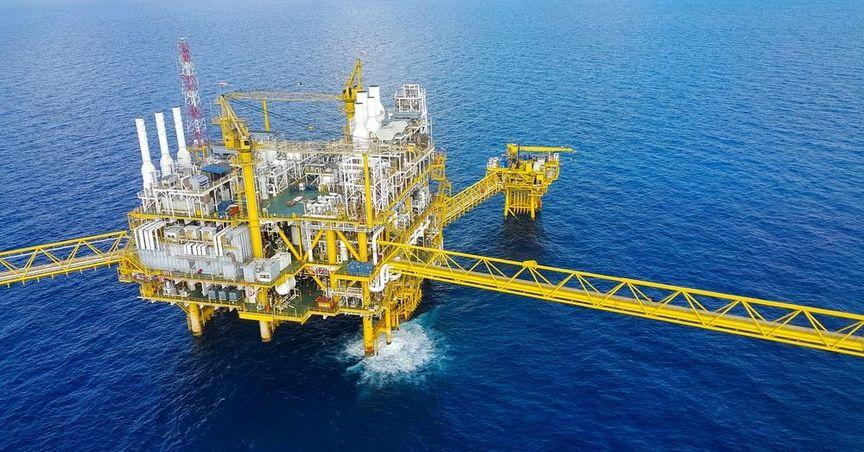
Woodside Energy’s operations are centred on the exploration and production of oil and gas resources. The company manages a portfolio of assets that include offshore and onshore projects, contributing to the extraction of hydrocarbons used in energy generation and industrial processes.
Production activity is influenced by factors such as asset performance, maintenance schedules, and project timelines. Variations in these elements can impact output levels and operational efficiency. The company’s ability to manage these factors plays a role in maintaining consistent production across its portfolio.
Liquefied natural gas projects form a significant component of Woodside Energy’s operations. These projects involve the extraction, processing, and export of natural gas in liquefied form, enabling transportation to international markets. LNG operations require specialised infrastructure and technical expertise, reflecting the complexity of the energy sector.
The operational framework also includes exploration activities aimed at identifying new resource opportunities. These activities involve geological surveys, drilling programs, and resource evaluation. Exploration contributes to the development of future projects and supports the sustainability of production operations.
Cost management is another important aspect of the operational framework. Energy companies allocate resources towards maintaining infrastructure, managing workforce requirements, and ensuring compliance with safety and environmental standards. Efficient cost management supports operational stability within the sector.
The inclusion of energy companies within broader indices such as the asx all ords highlights their significance within the Australian market. Their operations contribute to the overall structure of the equities landscape.
Revenue Structure and Market Influences
Woodside Energy’s revenue structure is primarily linked to the production and sale of oil and gas resources. Revenue generation is influenced by production volumes, contractual arrangements, and market conditions within the global energy sector.
Oil and gas markets are shaped by supply and demand dynamics, geopolitical developments, and economic conditions. Changes in these factors can influence how energy companies operate and manage their production activities. The company’s revenue reflects these broader market influences.
LNG operations contribute significantly to revenue generation, as natural gas remains a key component of the global energy mix. The demand for LNG is linked to energy consumption patterns, particularly in regions that rely on imported energy resources.
Operational efficiency plays a role in supporting revenue outcomes. Efficient production processes, maintenance of infrastructure, and effective resource management contribute to the company’s ability to sustain its operations.
The energy sector is also influenced by the transition towards cleaner energy sources. Companies are adapting their operations to align with environmental considerations and regulatory requirements. This includes exploring opportunities within lower-emission energy solutions while maintaining traditional energy production.
Within the broader market, energy companies contribute to categories such as ASX dividend stocks, reflecting their role in the financial ecosystem. Their revenue structures and operational strategies influence their participation within the market.
Industry Environment and Global Energy Trends
The global energy industry operates within a complex environment shaped by economic conditions, technological advancements, and regulatory frameworks. These factors influence how companies manage their operations and respond to evolving market conditions.
Economic conditions play a significant role in determining energy demand. Industrial activity, transportation requirements, and population trends all contribute to shaping consumption patterns. Energy companies adjust their production levels to align with these demands.
Technological advancements have transformed the energy sector, enabling more efficient extraction and processing of resources. Innovations in drilling techniques, data analytics, and infrastructure development enhance operational capabilities and support the development of new projects.
Environmental considerations are increasingly influencing the industry. Regulatory frameworks aimed at reducing emissions and promoting sustainability impact how companies operate. Energy companies are incorporating these considerations into their strategies to align with global environmental objectives.
Geopolitical factors also affect the energy sector, as supply chains and resource distribution are influenced by international relations and trade policies. These factors can impact production and distribution activities across different regions.
Woodside Energy’s operations are shaped by these global trends, reflecting the interconnected nature of the energy industry. The company’s ability to adapt to these developments influences its operational performance and market positioning.
Strategic Direction and Operational Development
Woodside Energy’s strategic direction involves maintaining its position within the energy sector while adapting to changing industry conditions. The company focuses on managing its existing asset portfolio while exploring opportunities for future development.
Project development is a key component of this strategy, involving the advancement of existing assets and the exploration of new opportunities. These activities require careful planning, resource allocation, and adherence to regulatory requirements.
Operational development includes enhancing production efficiency, maintaining infrastructure, and ensuring compliance with safety standards. These efforts contribute to the stability and reliability of the company’s operations.
The company’s approach to managing its operations reflects the need to balance production activities with environmental considerations. This includes implementing measures to reduce emissions and improve sustainability within its operations.
Technological integration continues to play a role in shaping operational development. The use of advanced systems and data-driven processes enhances efficiency and supports decision-making within the company.
Within the context of the ASX 100, Woodside Energy represents a significant participant in the energy sector. Its operations and strategic initiatives contribute to the overall performance of the market.
