
 AUS
AUS
 NZ
NZ
 UK
UK
 CA
CA
 USA
USA
 IND
IND






Highlights
Provaris Energy strengthened hydrogen infrastructure participation through a new supply chain agreement.
Hydrogen transportation and storage activity remained central across clean energy discussions.
Energy infrastructure operators continued expanding focus on alternative fuel logistics systems.
Provaris Energy remained under focus as hydrogen transportation systems, clean energy logistics, and supply chain infrastructure activity continued shaping broader renewable sector participation.
The clean energy sector continued attracting broad market participation as hydrogen infrastructure development, transportation systems, and alternative fuel logistics remained closely connected to evolving industrial energy frameworks. Energy transition businesses operating within All Ordinaries continued strengthening operational visibility through infrastructure agreements and international supply chain coordination initiatives.
Provaris Energy (ASX:PV1) remained under close market attention as hydrogen transportation activity, clean fuel logistics systems, and infrastructure coordination initiatives continued shaping participation across the broader energy sector.
Hydrogen infrastructure development additionally remained highly connected to shipping systems, industrial fuel transportation, and energy storage environments supporting global decarbonisation initiatives.
Alternative fuel activity additionally continued expanding throughout industrial markets because commercial transportation systems, manufacturing operators, and export infrastructure remained closely tied to cleaner energy frameworks.
The broader clean energy sector additionally maintained strong relevance due to continued participation involving renewable infrastructure operators, industrial processing systems, and energy logistics providers operating across international markets.
Discussion surrounding asx all ords additionally reflected ongoing engagement with energy infrastructure businesses, industrial transportation operators, and technology-focused clean fuel companies participating across the ASX market.
Hydrogen transportation frameworks additionally remained closely connected to maritime logistics systems because shipping infrastructure and bulk fuel transportation environments continued supporting industrial supply chain development.
Energy businesses additionally continued integrating operational frameworks involving emissions reduction strategies, renewable infrastructure coordination, and fuel diversification systems supporting changing industrial requirements.
The clean energy sector additionally remained connected to broader industrial transformation initiatives involving electrification systems, renewable generation infrastructure, and low-emission transportation environments.
Industrial participation across hydrogen-related sectors therefore remained highly influenced by logistics coordination, infrastructure development activity, and international energy transition frameworks shaping operational participation.
Hydrogen Transportation Systems Remain Central
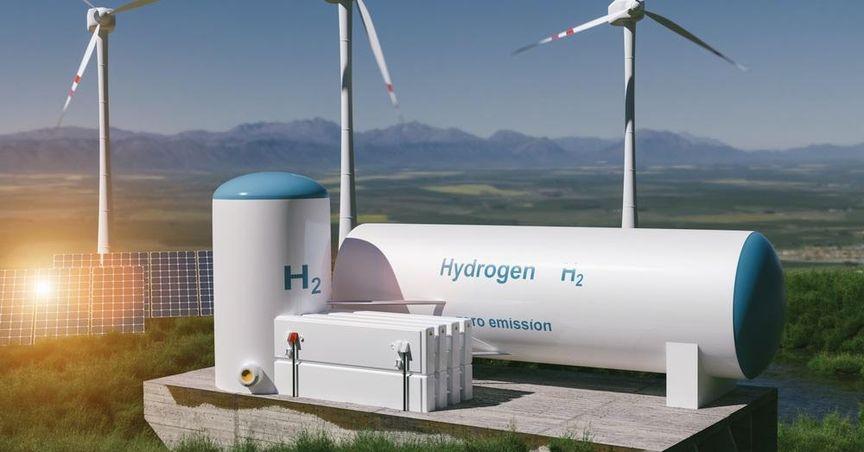
Hydrogen transportation systems continued attracting substantial market attention because industrial fuel distribution and alternative energy logistics remained essential components of broader clean energy infrastructure development.
Provaris Energy additionally maintained operational visibility through hydrogen shipping activity and infrastructure coordination initiatives involving fuel transportation systems and commercial logistics frameworks.
Hydrogen supply chain participation additionally remained highly connected to maritime transportation systems because large-scale industrial energy distribution frequently depends upon specialised shipping infrastructure and export coordination environments.
Clean fuel transportation additionally continued evolving through operational developments involving storage systems, compression technologies, and energy logistics platforms supporting industrial transportation capabilities.
Participation involving ASX 300 additionally reflected broader market engagement with infrastructure operators, industrial logistics businesses, and renewable energy companies participating across energy transition environments.
Hydrogen shipping activity additionally remained highly relevant because international industrial markets continued expanding focus on diversified fuel transportation systems and alternative energy infrastructure frameworks.
Commercial transportation systems additionally remained central to operational planning involving industrial exports, fuel distribution coordination, and infrastructure integration supporting international supply chain activity.
The broader energy sector additionally continued integrating technology-focused infrastructure solutions involving digital operational systems, logistics monitoring platforms, and transportation management frameworks supporting modern fuel distribution environments.
Hydrogen infrastructure activity additionally remained closely tied to port systems, industrial storage facilities, and transportation coordination capabilities required for commercial energy operations.
Broader participation across hydrogen transportation therefore remained connected to industrial infrastructure development, logistics coordination systems, and clean energy transition activity shaping international commercial environments.
Clean Energy Infrastructure Continues Evolving
Clean energy infrastructure remained highly important across industrial sectors because renewable energy integration and alternative fuel adoption continued shaping operational transformation initiatives worldwide.
Hydrogen-related businesses additionally remained connected to broader decarbonisation frameworks involving industrial transportation systems, renewable power coordination, and emissions management initiatives.
Energy infrastructure operators additionally continued strengthening operational activity involving fuel diversification programs and commercial transportation systems supporting alternative energy environments.
Discussion surrounding ASX 100 additionally reflected ongoing participation involving energy infrastructure companies, industrial operators, logistics businesses, and technology-focused renewable energy enterprises.
Renewable infrastructure coordination additionally remained closely connected to industrial fuel systems because commercial energy environments increasingly require diversified operational frameworks and transportation flexibility.
Hydrogen storage systems additionally continued attracting attention because industrial transportation activity frequently depends upon integrated infrastructure capabilities supporting energy movement across supply chains.
Energy businesses additionally remained active across infrastructure planning initiatives involving renewable generation facilities, transportation terminals, and industrial logistics coordination systems.
The broader clean energy sector additionally continued supporting operational innovation involving emissions management technologies, alternative fuel processing systems, and industrial efficiency frameworks.
Commercial infrastructure activity additionally remained closely linked to global shipping environments because energy transportation systems frequently depend upon integrated logistics coordination and port infrastructure operations.
Industrial participation across renewable infrastructure sectors therefore remained strongly connected to clean fuel transportation, commercial energy distribution, and operational coordination frameworks shaping broader market activity.
Supply Chain Coordination Supports Energy Transition
Supply chain coordination continued remaining central to clean energy development because industrial transportation systems and fuel logistics frameworks require integrated infrastructure participation across multiple sectors.
Hydrogen-related operations additionally remained highly connected to shipping infrastructure, industrial processing facilities, and energy transportation coordination supporting commercial distribution environments.
Provaris Energy additionally remained active across supply chain activity involving transportation systems, fuel handling infrastructure, and commercial logistics frameworks connected to hydrogen movement initiatives.
Participation involving ASX dividend stocks additionally reflected broader market engagement with infrastructure-focused businesses and established industrial operators participating across diversified commercial sectors.
Energy transportation systems additionally remained important because commercial supply chains frequently depend upon coordinated operational frameworks involving storage infrastructure, export facilities, and industrial transportation capabilities.
The broader energy market additionally continued adapting infrastructure systems to align with changing environmental priorities and industrial emissions management requirements.
Hydrogen logistics frameworks additionally remained highly connected to renewable power systems because clean fuel production environments frequently rely upon renewable energy integration and operational coordination.
Commercial shipping environments additionally continued supporting energy transition frameworks involving bulk transportation systems, industrial logistics coordination, and export infrastructure participation.
Industrial businesses additionally continued participating across operational planning initiatives involving energy infrastructure integration, transportation efficiency programs, and supply chain optimisation systems.
Broader participation across supply chain sectors therefore remained closely connected to clean fuel transportation activity, infrastructure coordination systems, and renewable industrial frameworks shaping modern energy environments.
Energy Sector Participation Remains Highly Active
The broader energy sector continued maintaining strong operational visibility because renewable infrastructure activity, industrial transportation systems, and alternative fuel development remained central to evolving market participation.
Hydrogen-related businesses additionally continued contributing to broader clean energy discussions involving transportation systems, logistics coordination, and emissions reduction frameworks supporting industrial transformation activity.
Energy operators additionally remained connected to commercial infrastructure environments involving shipping coordination, fuel handling systems, and renewable infrastructure development across international markets.
Discussion involving All Ordinaries additionally reflected sustained engagement with energy infrastructure providers, transportation businesses, industrial operators, and logistics-focused commercial sectors participating across broader market environments.
Industrial transportation systems additionally remained highly relevant because renewable fuel distribution and energy coordination frameworks require integrated logistics participation and operational planning activity.
Commercial energy infrastructure additionally continued adapting to evolving industrial requirements involving renewable fuel integration, emissions management initiatives, and transportation modernisation programs.
Hydrogen-focused operators additionally remained active across logistics development initiatives involving fuel transportation systems, industrial shipping environments, and clean energy infrastructure planning.
Energy transition activity additionally continued influencing operational frameworks involving commercial transportation systems, industrial coordination platforms, and renewable logistics environments supporting global infrastructure participation.
Broader markIndustrial infrastructure participation additionally remained highly connected to export logistics systems, commercial shipping activity, and operational technology frameworks supporting modern clean energy distribution.et engagement across the clean energy sector therefore remained closely tied to hydrogen infrastructure coordination, transportation systems, industrial logistics frameworks, and renewable operational environments shaping long-duration commercial participation.
