
 AUS
AUS
 NZ
NZ
 UK
UK
 CA
CA
 USA
USA
 IND
IND







Highlights
Ampol reflects operational dynamics within the energy and fuel distribution sector.
Refining and retail fuel networks contribute to sector-wide participation.
Broader indices capture energy sector activity across Australian markets.
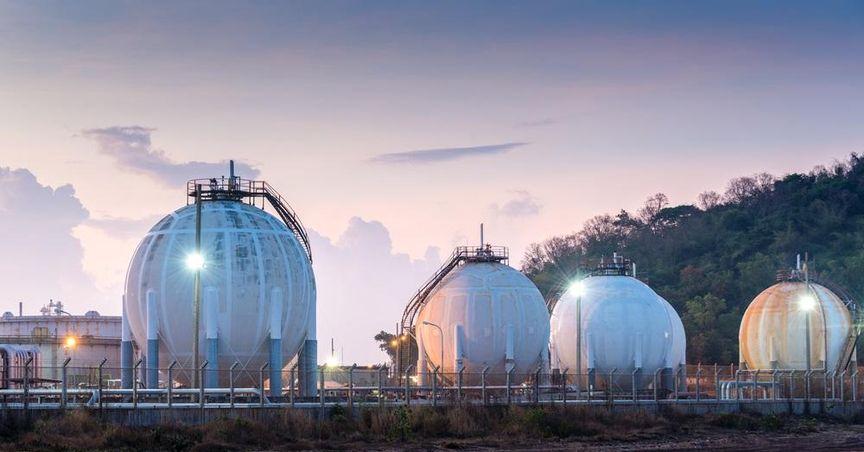
Ampol’s operations highlight refining, distribution, and retail frameworks within the ASX energy sector, reflecting broader market participation and infrastructure dynamics.
The energy sector represents a key segment of the Australian equity market, encompassing companies involved in fuel refining, distribution, and energy infrastructure. These entities contribute to domestic supply chains and broader economic activity through their operational frameworks. Companies operating within this sector are represented across indices such as the ASX 200 and the ASX 100, reflecting their scale and integration within the financial system.
Within this environment, Ampol Ltd (ASX:ALD) operates as a fuel supplier and energy infrastructure provider, managing refining operations and an extensive retail fuel network. The company’s activities include sourcing, refining, and distributing petroleum products across domestic and international markets.
Energy companies operate within complex supply chains that involve refining, logistics, and distribution networks. These processes contribute to the delivery of fuel products across commercial and consumer segments, supporting transportation and industrial activity.
Operational Structure and Fuel Distribution Networks
Ampol operates through a vertically integrated model that combines refining operations with distribution and retail networks. This structure allows the company to manage multiple stages of the energy supply chain, from production to end-user delivery.
Refining operations involve processing crude oil into refined products such as petrol, diesel, and other fuel derivatives. These processes require specialised infrastructure and operational expertise, contributing to the company’s position within the energy sector.
Distribution networks include storage facilities, transportation systems, and supply logistics that enable the movement of fuel products across regions. These systems support the availability of fuel across retail and commercial markets.
Retail operations form a significant component of the company’s activities, with fuel stations providing access to end consumers. These outlets operate within competitive market environments, contributing to overall sector participation.
The integration of refining, distribution, and retail operations highlights the complexity of energy sector frameworks, reflecting how companies manage supply chains and service delivery.
Financial Framework and Market Participation
Energy companies operate within financial frameworks that are influenced by operational performance, supply chain dynamics, and market conditions. Revenue generation is linked to refining output, distribution volumes, and retail activity.
Ampol’s participation within the market reflects its role in supplying fuel products and maintaining infrastructure that supports energy distribution. The company’s activities contribute to sector representation within broader indices, aligning with the operational scale of energy providers.
Within the broader equity landscape, categories such as ASX dividend stocks include companies that distribute earnings as part of their financial strategies. Energy companies may be included within these categories based on their distribution frameworks and operational outcomes.
Market participation within the energy sector is influenced by factors such as fuel demand, supply chain efficiency, and global energy conditions. These elements contribute to how companies operate within the market and engage with stakeholders.
The inclusion of energy companies within major indices highlights their contribution to market activity and sector representation.
Index Representation and Broader Market Integration
The integration of energy companies within Australian indices reflects their importance in the overall market structure. Indices such as the ASX 200 and ASX 300 capture participation from multiple sectors, including energy, financials, and resources.
Within this framework, the asx all ords index provides a comprehensive view of listed entities, encompassing companies across various industries. This index highlights the diversity of the market and the inclusion of energy providers alongside other sectors.
Energy companies contribute to index composition through their operational scale and market presence. Their inclusion supports a balanced representation of industries within the equity market.
Sector interaction within indices demonstrates how energy companies operate alongside financial institutions, resource companies, and industrial firms. These interactions contribute to the overall dynamics of market participation.
The representation of energy companies within indices reflects their role in supporting economic activity and maintaining supply chains across domestic and international markets.
Sector Trends and Evolving Energy Market Dynamics
The energy sector continues to evolve in response to changes in technology, regulatory frameworks, and global market conditions. Companies adapt their operations to align with these developments, maintaining efficiency and operational continuity.
Technological advancements in refining and distribution processes contribute to improved efficiency and resource management. These developments support the optimisation of energy supply chains.
Regulatory frameworks influence how energy companies operate, ensuring compliance with environmental standards and operational guidelines. Companies implement strategies to align with these requirements while maintaining service delivery.
Global energy conditions impact the sector by influencing supply chains and demand patterns. These factors shape how companies manage their operations and allocate resources within the market.
The ongoing evolution of the energy sector reflects its role within the broader financial system, highlighting the importance of infrastructure, operational efficiency, and market integration.
