
 AUS
AUS
 NZ
NZ
 UK
UK
 CA
CA
 USA
USA
 IND
IND






Highlights
- Viva Energy refreshed the leadership of its convenience and mobility arm as the network grows.
- The group pairs a Geelong refinery with a large national fuel and convenience footprint.
- Market participants may weigh downstream margins against a steady energy price backdrop.
Viva Energy (ASX:VEA), one of Australia's largest integrated fuel suppliers, has drawn fresh attention after refreshing the leadership of its convenience and mobility business, the retail arm that has become an increasingly important part of the group. The appointment brings seasoned retail experience to a network that spans fuel forecourts and convenience stores across the country, and it lands as the company continues to reshape itself from a traditional fuels supplier into a broader convenience-led operator. The move underscored how the downstream end of the energy chain is evolving alongside the upstream headlines.
A leadership refresh for the retail arm
The update centred on a change at the top of Viva Energy's convenience and mobility division, the part of the business that runs its forecourts and in-store retail offering. Bringing in a leader with deep experience across Australian retail signals the importance the group now places on the shopper experience inside its stores, not just the fuel sold on the driveway. It is a reminder that the modern service station is as much a convenience retailer as a place to refuel.
The convenience and mobility arm has been a focal point of Viva Energy's strategy as it works to lift the earnings it generates from each site. Drawing retail expertise into that effort reflects a recognition that running convenience stores well is a distinct discipline from supplying fuel, involving merchandising, product range, loyalty and the day-to-day rhythm of shopper traffic. A leadership refresh aimed squarely at that challenge fits the direction the company has been steering.
An integrated model, end to end
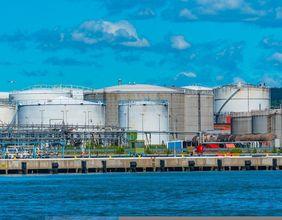
What sets Viva Energy apart is the breadth of its position along the fuel chain. At one end sits its refinery in Geelong, which processes crude oil into petrol, diesel and specialty products such as bitumen and aviation fuel. At the other sits a sprawling network of retail sites operating under a stable of well-known forecourt and convenience brands. Between the two, the company manages the supply, storage and distribution that link refining to the pump.
This vertical integration gives the group multiple ways to generate value: refining margins on the fuel it processes, supply margins through its distribution network, and retail margins from both fuel and in-store sales. When one part of the chain is under pressure, another can help offset it, which can lend a measure of balance to overall earnings. It also gives management levers to pull as market conditions shift along different points of the chain.
The rise of the convenience dollar
Across the fuel-retailing world, the economics of the forecourt have been shifting. Margins on fuel itself can be thin and volatile, so operators have leaned harder into the higher-margin convenience offer inside the store, from food and drink to everyday essentials. Growing the convenience contribution is a way of building a steadier, less commodity-dependent stream of earnings alongside the fuel business, and it is central to why retail leadership has become such a priority.
A steady energy backdrop
Viva Energy operates against the same broadly supportive energy backdrop that has framed the wider sector. Crude oil benchmarks have stayed at levels that shape both the cost of the feedstock its refinery processes and the pricing environment for the fuels it supplies. For an integrated downstream operator, the relationship between crude costs, refining margins and pump prices is complex, and shifts in any of them can move the economics of the business in either direction.
As a member of the ASX 200, Viva Energy sits among the names that give the local market its exposure to the downstream end of the energy sector, a contrast to the upstream producers that dominate the headlines. Its blend of refining and retail offers a different lens on the energy theme, one tied more closely to consumer behaviour and domestic fuel demand than to the price of a barrel alone. That distinctiveness is part of what keeps it on the radar of those tracking the sector.
Anyone scanning the broader field of ASX Energy Stocks will notice how differently an integrated downstream operator behaves compared with a pure upstream producer. Viva Energy's leadership refresh and its continued tilt towards convenience underline a strategy focused on squeezing more value from its retail footprint, a theme distinct from the project-driven stories that tend to dominate the upstream side of the market.
What market participants may weigh
For an integrated fuels group, the key questions revolve around margins and execution. Refining margins can swing with global product markets, fuel volumes ebb and flow with driving patterns and the economy, and the convenience push must actually deliver the higher-margin sales it promises. Market participants may assess how effectively the refreshed leadership grows the in-store contribution while the refining and supply operations keep performing steadily.
Integration of recent network additions is another watch point. Building scale in convenience retail often involves absorbing new sites and brands, and doing so smoothly, without disrupting existing operations or overstretching management, is central to realising the intended benefits. How well the group blends its various retail formats into a coherent, efficient network will influence the returns it earns from its footprint over time.
The transition question for downstream
Longer term, downstream fuel operators face the gradual shift in how vehicles are powered. As the vehicle fleet slowly evolves, forecourt operators are weighing how their sites adapt, whether through new energy offerings, expanded convenience formats or other services. A strong convenience business can provide a foundation that is less dependent on any single fuel type, which is one reason the retail tilt matters beyond its immediate margin benefit. Positioning for that gradual change is part of the strategic backdrop.
Scale in fuel retailing
Size carries real advantages in fuel and convenience retailing. A large national network lets an operator spread the fixed costs of supply, logistics and marketing across many sites, negotiate better terms with product suppliers, and build brand recognition that draws repeat traffic. Viva Energy's broad footprint gives it that kind of reach, spanning a family of forecourt and convenience banners that together cover a substantial slice of the market. Density in the network also improves the efficiency of the distribution that links its refinery and terminals to the pump.
Scale also creates room to experiment. A large operator can trial new store formats, product ranges and loyalty features across a subset of sites before rolling out what works, learning quickly without betting the whole network on any single idea. That ability to test and refine is central to lifting the convenience contribution, and it is one reason bringing seasoned retail expertise into the leadership of that division is seen as a meaningful step rather than a routine reshuffle.
Consumer demand as a driver
Because so much of Viva Energy's earnings flows from everyday transactions at the forecourt and in-store, the health of the consumer is a genuine driver of its performance. Traffic through its sites reflects driving patterns, household spending and the broader mood of shoppers, all of which shift with economic conditions. A resilient consumer supports both fuel volumes and convenience sales, while a cautious one can weigh on discretionary in-store spending even as essential fuel purchases continue.
This consumer sensitivity gives the business a different rhythm from the upstream producers whose fortunes track the oil price. It ties Viva Energy more closely to domestic demand and to the everyday behaviour of Australian motorists and shoppers. That distinct profile is part of what makes an integrated downstream operator a different kind of exposure within the energy theme, one shaped as much by retail execution as by the movements of global commodity markets.
The bigger picture
Ultimately, Viva Energy's leadership refresh reinforces a strategy that has been taking shape for some time: leaning into convenience retail to build a steadier earnings base alongside its refining and supply operations. Its integrated model gives it several ways to create value along the fuel chain, and the renewed focus on the in-store offer speaks to where management sees the opportunity. Execution on that convenience ambition, set against a steady energy backdrop, will shape how the downstream story develops from here.
As the strategy plays out, the market is likely to watch how much of the promised convenience uplift actually reaches the bottom line, and how well the refining and supply operations keep their footing alongside it. A downstream operator succeeds by getting many small things right across a vast network, day after day, rather than through a single dramatic move. Market participants may assess whether the refreshed retail leadership can turn that patient, operational discipline into a steadier and more resilient earnings profile over time.
