
 AUS
AUS
 NZ
NZ
 UK
UK
 CA
CA
 USA
USA
 IND
IND

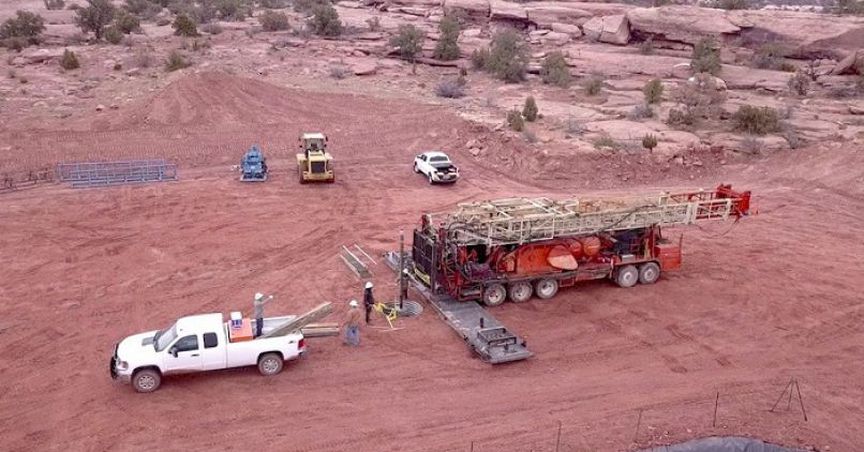





Anson Resources Limited (ASX:ASN) reported the higher recovery rates from test work conducted by Lilac at Paradox Lithium Project, producing a lithium hydroxide (LiOH) product.
The company told that Lilac Solution completed the Phase 1 Engineering Report according to which lithium recoveries have increased to approximately 80%.
However, Anson expects that after downstream processing, the recovery of lithium will be around 70%, higher than 50% recoveries achieved in conventional operations such as South American Salars.
At the time of latest testing, Ansonâs Cane Creek brine was passed through the Lilac IX process that resulted into the production of lithium rich eluate of 10,000 â 15,000mg/L with a molar purity of 70 - 75%. The company told that this solution of concentrated lithium sulphate can be further processed downstream to produce lithium hydroxide or lithium carbonate with a recovery of greater than 90%.
Lilac Production Process:
In the extraction of lithium from the brine resources, the Lilac Solution uses high-end technology that just extracts lithium without recovering other minerals like iodine, boron, magnesium and bromide. This methodology is called ion exchange (IX) process that eventually results into high recoveries, rapid processing time and minimal costs. Lilac is engaged in conducting these test work on the Paradox Lithium Brine since July 2018.
Commenting on the results, David Snydacker, Chief Executive Officer of Lilac Solutions stated: âLilac is extremely pleased that the company has been able to consistently achieve lithium recoveries up to 80% in its lithium extraction unit and have converted this recovered lithium into high-purity lithium chemicals. Lilac is excited to continue to move forward in its partnership with Anson toward commercial production of lithium as it considers that the project will be globally competitive.
With this, the company has now completed assessment of three different lithium extraction processes including Outotecâs solvent extraction, traditional solar evaporation, and now Lilacâs ion extraction process. All these technical processes were employed to extract lithium from brines at Ansonâs Paradox Lithium Project.
Ansonâs Executive Chairman, Bruce Richardson, commented that results from Lilac Process have been âexceptionalâ. He added that company has undertaken several tests under different extraction methodologies to achieve the best economic results.
âWith the adoption of Lilac process at an early stage, Anson is expected to enjoy the edge over traditional brine producers as Lilacâs new technology provides higher recover, faster production and less impact on environment.â
On the news of these exceptional results from lithium testing, the investors went bullish on Anson stock. Before concluding the session at a closing price of $0.093, Ansonâs stock has jumped 16.25% on 14 November 2018. While its historical performance reveals that ASN has fallen by 42.86% over the past one year which has been reversed in the last six-month with the positive change of 66.67%.
Disclaimer
The advice given by Kalkine Pty Ltd and provided on this website is general information only and it does not take into account your investment objectives, financial situation or needs. You should therefore consider whether the advice is appropriate to your investment objectives, financial situation and needs before acting upon it. You should seek advice from a financial adviser, stockbroker or other professional (including taxation and legal advice) as necessary before acting on any advice. Not all investments are appropriate for all people. Kalkinemedia.com and associated websites are published by Kalkine Pty Ltd ABN 34 154 808 312 (Australian Financial Services License Number 425376). website), employees and/or associates of Kalkine Pty Ltd do not hold positions in any of the stocks covered on the website. These stocks can change any time and readers of the reports should not consider these stocks as advice or recommendations.
Â
