
 AUS
AUS
 NZ
NZ
 UK
UK
 CA
CA
 USA
USA
 IND
IND






Highlights
Broker commentary draws attention to selected ASX-listed company.
Market participation reflects sector-specific developments and outlook discussions.
Broader equity environment shaped by institutional engagement and industry trends.
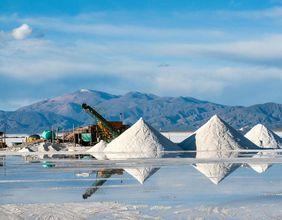
Liontown Resources gains market attention amid broker commentary, highlighting lithium sector activity and its role in supporting global battery materials and energy storage systems.
The Australian equity market spans multiple sectors including financial services, resources, healthcare, and technology, each contributing to the overall structure of the ASX 200. Companies listed within this benchmark reflect a diverse economic landscape, where operational updates and industry developments influence market activity.
Recent attention has centred on a particular ASX-listed company following commentary from a brokerage firm, highlighting developments within its operational and industry framework. The company, identified as Liontown Resources Limited (ASX:LTR), operates within the lithium and battery materials segment, which plays a role in global supply chains linked to energy storage and electric mobility.
The lithium sector forms part of the broader resources industry, with companies engaged in exploration, development, and production of materials used in battery technologies. These materials support various industrial applications, including renewable energy systems and transportation infrastructure.
Market engagement with lithium-focused companies reflects their integration within global supply chains. The extraction and processing of lithium contribute to the production of batteries used in a wide range of technologies, from consumer electronics to large-scale energy storage systems.
The presence of lithium companies within major indices highlights their contribution to the Australian market. Their activities intersect with global trends in electrification and industrial development, supporting the evolving nature of the resources sector.
Company Profile and Operational Activities
Liontown Resources operates within the mining and exploration sector, focusing on lithium projects that support battery-related industries. The company’s activities involve the identification, evaluation, and development of mineral resources, contributing to the supply of materials used in energy storage systems.
Lithium extraction projects require a combination of geological assessment, infrastructure development, and processing capabilities. These projects often involve multiple stages, including exploration, feasibility assessment, and eventual production planning.
Operational activities are supported by technical expertise, regulatory engagement, and collaboration with industry participants. These elements contribute to the development of structured frameworks for resource extraction and processing.
The broader asx all ords index includes companies operating across various sectors, providing insight into the diversity of market participation. The inclusion of resource-focused companies reflects their role in supporting industrial and technological applications.
Lithium companies often engage with global markets, supplying materials to manufacturers involved in battery production. This international engagement highlights the interconnected nature of resource industries and their contribution to global supply chains.
The operational framework of lithium projects involves continuous evaluation of resource potential, infrastructure requirements, and market engagement. These processes contribute to the development of projects that align with industry demand and regulatory standards.
Broker Commentary and Market Engagement
Broker commentary represents one aspect of market communication, providing perspectives on company developments, sector activity, and industry conditions. These commentaries often draw attention to specific companies, highlighting their operational progress and market positioning.
Market engagement following such commentary reflects the interaction between institutional perspectives and broader investor participation. The visibility of certain companies may increase as discussions around their activities gain prominence within financial markets.
Broker insights typically focus on operational developments, project milestones, and industry trends. These elements contribute to the overall narrative surrounding a company’s activities, shaping market awareness and participation.
The interaction between broker commentary and market activity underscores the importance of information flow within financial systems. Companies listed on exchanges engage with market participants through disclosures, reports, and external commentary, contributing to transparency.
The category of ASX dividend stocks highlights companies that distribute earnings, reflecting another dimension of market participation. While resource-focused companies may operate under different frameworks, their inclusion within market discussions contributes to overall engagement.
Institutional investors and financial entities often monitor such commentary as part of their broader engagement with markets. This interaction supports liquidity and contributes to the functioning of equity markets.
Lithium Sector Dynamics and Industrial Applications
The lithium sector forms a critical component of the global transition towards electrification and energy storage. Lithium is a key material used in battery production, supporting technologies such as electric vehicles, renewable energy storage systems, and portable electronics.
Mining companies involved in lithium extraction contribute to the availability of these materials, supporting industrial and technological development. Their activities intersect with multiple sectors, including manufacturing, transportation, and energy.
The demand for battery materials has influenced the development of lithium projects, with companies focusing on expanding resource bases and advancing operational frameworks. These activities contribute to the broader supply chain for energy storage technologies.
Industrial applications of lithium extend beyond transportation, including grid-scale energy storage and consumer electronics. The versatility of lithium-based batteries supports their widespread use across various industries.
The integration of lithium within modern technologies reflects its importance within industrial processes. Companies operating in this sector contribute to the development of materials that support innovation and infrastructure development.
The presence of lithium companies within Australian indices highlights their role in the global market. Their activities align with broader trends in energy transition and technological advancement, supporting the evolution of industrial systems.
Market Structure and Sector Participation
The Australian equity market operates within a structured framework that encompasses multiple sectors and industries. Companies listed on exchanges contribute to economic activity through their operations, supporting employment, infrastructure, and industrial development.
Sector participation within indices reflects the diversity of the market, with companies operating in areas such as resources, financial services, healthcare, and technology. This diversification contributes to the overall resilience of the market.
Market participants include institutional investors, retail participants, and financial institutions, all contributing to liquidity and engagement. Their activities support the functioning of equity markets, facilitating the exchange of capital and resources.
The integration of global markets with domestic exchanges highlights the interconnected nature of financial systems. Companies listed on Australian exchanges often engage with international markets, supporting cross-border trade and investment.
The role of indices is to capture the performance and composition of the market, providing insight into sector participation and economic activity. Benchmarks such as the ASX indices reflect the interaction between various industries and market participants.
The evolving nature of the market continues to shape sector participation, with companies adapting to changing economic conditions and industry trends. This adaptability reflects the dynamic environment in which financial markets operate.
