
 AUS
AUS
 NZ
NZ
 UK
UK
 CA
CA
 USA
USA
 IND
IND





Highlights
Australian equities moved lower as global geopolitical developments affected sentiment.
Stalled Iran-US discussions influenced broader market behaviour.
Energy and materials sectors reflected shifts linked to global cues.
Australian shares declined as stalled Iran-US talks impacted sentiment, with energy and materials sectors reflecting global geopolitical developments across the ASX market.
The Australian share market represents a diverse mix of industries, including financials, materials, energy, and consumer sectors, all of which contribute to benchmarks such as the ASX 200 and the broader asx all ords. These indices provide insight into the performance of leading companies and reflect the collective direction of the domestic equity market. Movements within these indices are shaped by both local developments and international factors, highlighting the interconnected nature of global financial systems.
During recent trading activity, Australian shares recorded a decline as external geopolitical developments influenced sentiment. The movement reflected a cautious tone across multiple sectors, with market participants responding to global cues linked to diplomatic developments between major economies. This shift aligns with broader patterns observed within indices such as the ASX three hundred, where sectoral changes contribute to overall market direction.
Geopolitical Developments and Market Response
Geopolitical events play a significant role in shaping financial markets, particularly when they involve major global economies or regions with strategic importance. Developments related to international negotiations often influence investor sentiment, leading to adjustments in trading activity across various sectors.
In the current context, stalled discussions between Iran and the United States have contributed to a shift in market sentiment. Such developments can affect global energy markets, trade dynamics, and broader economic outlooks, all of which influence equity markets.
The response within the Australian market reflects this connection, as sectors with exposure to global commodities and trade flows react to changes in geopolitical conditions. These reactions highlight the sensitivity of equity markets to international developments and the importance of monitoring global events.
Geopolitical influences extend beyond immediate market reactions, shaping longer-term trends in commodity demand and supply. Companies operating within affected sectors adjust their strategies to align with evolving conditions, contributing to ongoing market dynamics.
Energy Sector Movements and Oil Market Influence
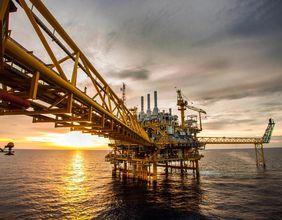
The energy sector often serves as a key indicator of global economic conditions, given its reliance on commodity markets and international demand. Changes in oil markets, in particular, can influence the performance of energy companies and contribute to broader market movements.
In response to geopolitical developments, oil markets experienced notable shifts, influencing the performance of energy stocks within the Australian market. These movements reflect the close relationship between global events and commodity pricing, which in turn affects sector performance.
Energy companies operating within the ASX framework respond to these changes through adjustments in operational and financial strategies. Their performance contributes to the overall direction of the market, particularly within indices that include a significant weighting of resource-based companies.
The interaction between geopolitical developments and energy markets underscores the complexity of factors influencing equity performance. It highlights the role of external events in shaping sector-specific outcomes and broader market trends.
Materials Sector and Commodity Linkages
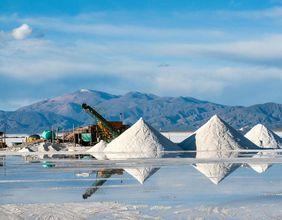
The materials sector represents another critical component of the Australian market, with companies engaged in mining and resource extraction activities. This sector is closely tied to global commodity markets, making it particularly sensitive to international developments.
During the recent trading session, materials stocks reflected changes influenced by broader market sentiment and commodity dynamics. The performance of this sector often aligns with movements in metals and mineral markets, which are influenced by global demand and supply conditions.
Companies within the materials sector operate within a framework that includes exploration, development, and production activities. These processes are influenced by both domestic factors and international trends, contributing to the sector’s role in shaping market direction.
The integration of the materials sector within indices such as the ASX one hundred and ASX three hundred highlights its significance in the overall market structure. Its performance provides insight into broader economic conditions and industry-specific developments.
Market Participation and Broader Trends
Market participation within the Australian equities landscape encompasses a wide range of investors and institutions, each contributing to trading activity and market dynamics. The diversity of participants reflects the varied nature of the market, which includes both large-cap companies and emerging entities.
Trading activity during periods influenced by geopolitical developments often reflects adjustments in sentiment and positioning. Participants respond to new information by reallocating resources across sectors, leading to shifts in market performance.
Within this context, segments such as ASX dividend stocks continue to attract attention for their income distribution characteristics. These companies contribute to overall market engagement, particularly during periods of heightened uncertainty.
The broader trends observed within the market highlight the interplay between domestic and international factors. From commodity movements to geopolitical developments, multiple influences converge to shape trading sessions and sector performance.
Global Connections and Ongoing Market Developments
The Australian share market operates within a global network of financial systems, where developments in one region can influence markets worldwide. This interconnectedness is evident in the response to geopolitical events, which can trigger changes in sentiment across multiple markets.
The stalled Iran-US discussions represent one such development, influencing not only energy markets but also broader equity performance. These events highlight the importance of global awareness in understanding market behaviour.
Companies within the Australian market continue to navigate these conditions by aligning their operations with evolving trends. Their activities contribute to the overall resilience and adaptability of the market, even amid changing external influences.
Indices such as the ASX 300 provide a comprehensive view of these dynamics, capturing the performance of a wide range of companies across sectors. This broader perspective supports a deeper understanding of how market conditions evolve over time.
