
 AUS
AUS
 NZ
NZ
 UK
UK
 CA
CA
 USA
USA
 IND
IND








Summary
- Hertz shares have rebounded from the lows after entering bankruptcy resolution, and investor confidence has been gaining momentum despite knowing that shares could be worthless.
- The US bankruptcy court had given nod to the company to raise additional capital through selling shares.
- Hertz has disclosed credit obligations of around $19 billion in a latest regulatory filing.
Hertz Global Holdings Inc.
Something dramatic happened in the US on 12 June 2020. Hertz, a car rental fleet company, was given permission to sell stock worth $1 billion even after entering Bankruptcy Chapter 11 in late May. Hertz saw its stock price surge ~10x from its recent low of $0.56 on 26 May 2020, to hit $5.53 on 8 June and eventually settled at $2.83 on 12 June.

Image by Tumisu from Pixabay
As per the regulatory filing, the debtors have applied for an emergency motion to enter into an emergency open market sale agreement with Jefferies LLC (agent), under which the company, at its discretion, may sell stocks worth $1 billion.
The court agreed that the company might enter into an agreement with the agent to sell stocks of up to $1 billion, but the agreement was not finalised as of last Friday.
Hertz is also facing regulatory hurdles from the New York Stock Exchange, that is seeking to delist the company. The stock exchange has commenced proceeding against the company, and a hearing is due with respect to the delisting of the stock from NYSE.
Century-Old Company Goes Belly Up!
After being in business for a century, on 22 May 2020, Hertz announced that certain US and Canadian subsidiaries have voluntarily filed for Chapter 11 Bankruptcy. COVID-19 has disrupted the travel sector that has caused substantial deterioration in the business.
Hertz has experienced a decline in revenues and future bookings. Although it moved to preserve cash flows, the uncertainty around the recovery in the travel sector forced the management to initiate the bankruptcy process.
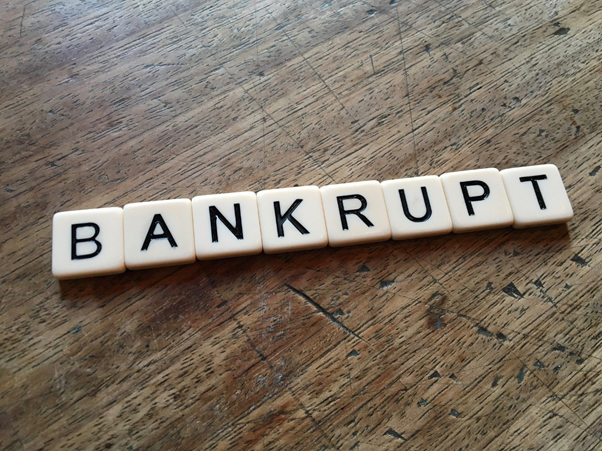
Image by Simon Hill from Pixabay
Its principal international operating regions that include Australia, New Zealand and Europe, as well as franchise locations, were not included in the bankruptcy proceedings. Hertz’s business continues to trade with all services currently operating.
The company was carrying cash of over $1 billion at the time of filing for bankruptcy that would enable the business to continue offering its services. However, it was also said that the business might also seek to access additional capital, given the uncertainty around the COVID-19 crisis.
Retail Investors Punting on Hertz Shares
Since the company filed for bankruptcy in May, the stock has eroded wealth hitting a low of $0.56 on 26 May 2020. However, the stock has also registered tremendous gains after hitting that low on 26 May.
With the company filing for Chapter 11 it is assumed that the equity of the company might be potentially worthless. However, not everyone seems to buy this idea, as per the US media reports, Hertz shares have been trending on the popular retail investors’ platform Robinhood and are topping the charts as far as popularity of the stock goes amongst investors or should be say uninformed investors. However, Hertz believes the company is in compliance with security laws as long as public markets are informed about the risks.
Hertz a Trend Setter
Some experts are noting that the case could create a precedent for other bankruptcies to tap stock markets irrespective of the financial strain. Hertz, in its regulatory filing, disclosed debt of around $19 billion across various instruments and subsidiaries.
The company’s listed bonds continue to trade at significantly below their par value, and ordinary shareholders are last in the line to receive cash out of the bankruptcy process. Despite all of this, retail investors’ hype may have created the rally over the recent past.
Some say that it is like catching a falling knife, but it seems retail investors like to punt on falling knives. Day trading seems to be a thing to do as far as retail investors are concerned and promotions, ads induce these investors to make money quickly. With COVID-19 forcing many to work from home, people seem to have plenty of spare time to try their hands-on trading.
Since many are not able to visit casinos, the stock market has become a remote casino for many, or so it seems. But it comes with a considerable level of risk, and permanent loss of capital for shareholders is quite high when a business has entered bankruptcy.
Who knew a company that files for Chapter 11 could go on to raise capital by issuing shares to equity investors, when it is a given that the equity holder comes last in the ranking as far as the company’s obligation is concerned. Many seasoned investors are baffled by this development, while some have profited by taking a brave punt.
(All currencies are in USD unless or otherwise stated)
