
 AUS
AUS
 NZ
NZ
 UK
UK
 CA
CA
 USA
USA
 IND
IND




Highlights
- US futures indicate significant market adjustments.
- Tariffs up to 104% could impact global trading relations.
- Markets react to intensifying US-China trade tensions.
As the deadline for new US tariffs draws near, significant shifts in the stock market are anticipated. This comes in the wake of the White House's declaration to impose substantial tariffs on several trading partners, which includes a notable 104% tariff targeting goods from China.
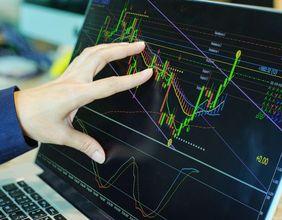
In response to these developments, US stock futures saw a notable downturn. Specifically, S&P 500 futures (S&P:SPX) dropped by over 1% in early trading sessions. This decline was mirrored across various global markets, with futures indicating potential sharp falls in major cities like Sydney, Tokyo, and Hong Kong.
The trading atmosphere was tense as Wall Street experienced dramatic fluctuations on Tuesday. This volatility stemmed from the ongoing exchange of trade threats between the US and China. By the close of trading, the S&P 500 had fallen 1.6%, teetering on the edge of entering a bear market despite having rallied significantly in an earlier session—the largest rally seen since 2022.
A White House official confirmed the US's commitment to the new tariffs on Chinese goods, which are scheduled to take effect just after midnight New York time. This move has escalated tensions, although Premier Li Qiang of China responded by stating that China possesses sufficient policy tools to counteract any negative impacts from external pressures.
These unfolding events have kept traders on high alert, as the potential for a full-blown trade war looms, which could disrupt global economic stability. Investors and market watchers are closely monitoring the situation, awaiting any new developments that could further influence market directions.
As markets brace for the impact of these tariffs, the global trading landscape remains uncertain. The decisions made in the coming days will be crucial in determining the economic implications of these heightened trade barriers.
