
 AUS
AUS
 NZ
NZ
 UK
UK
 CA
CA
 USA
USA
 IND
IND






Highlights
• U.S. economic policy shifts send ripples through Australian share markets
• Global trade tensions and job data sway market sentiment among ASX-listed firms
• Major companies like ASX:JBH, ASX:ANN, and ASX:CBA face volatility amid uncertainty
Australian share markets have entered a phase of renewed activity amid heightened U.S. economic uncertainty. Operating in the Equities sector (Ticker Category: Australian Equities), ASX-listed companies are feeling the impact of shifts in U.S. policy and broader global economic tensions. Market dynamics influenced by international trade disputes and fluctuating employment data have created a cautious yet dynamic trading environment in Australia. Recent developments on Wall Street and European markets have sparked movements in domestic indices, prompting a closer look at how global conditions are molding the outlook for Australian shares.
U.S. Economic Developments and Global Sentiment
The U.S. economy remains a central force in global financial markets. Recent policy debates and discussions over trade measures have led to uncertainties that reach far beyond American borders. Tensions arising from tariff discussions and trade disputes have affected global market sentiment, sending tremors through international equity markets. In Australia, these factors have contributed to a palpable sense of caution. Reports of lower-than-anticipated job growth in key U.S. data releases have further dampened market spirits, as employment figures are closely monitored indicators of economic health. This backdrop has heightened awareness among market participants about the potential for U.S. economic trends to shape global trading patterns.
Impact on Australian Market Performance
Australian share markets have reflected these external pressures through notable shifts in market indices. Early trading sessions have shown signs of weakness, with futures indicating declines that mirror sentiments from international markets. Key U.S. indices such as the Nasdaq Composite, Dow Jones Industrial Average, and S&P 500 have all experienced downturns, influencing a broader reevaluation of risk among global traders. In turn, these fluctuations have had a direct impact on Australian equities. Market participants have observed that ASX-listed companies are reacting to these developments, with several sectors recording adjustments in their trading activity. The interconnected nature of global finance means that even domestic stocks are not insulated from the repercussions of U.S. economic policy debates.
Sector-Specific Reactions Among ASX-Listed Companies
Several prominent ASX-listed companies have come under the spotlight as the Australian market adjusts to the current economic climate. Retail and consumer electronics companies such as JB Hi-Fi (ASX:JBH) are experiencing renewed attention as they release quarterly performance figures. Industrial and healthcare companies like Ansell (ASX:ANN) have noted that external trade measures have not directly affected their operational frameworks, leading to revised internal forecasts. Meanwhile, the Commonwealth Bank (ASX:CBA), a stalwart in the financial sector, is preparing to release its latest performance reports amid intensified market scrutiny. The financial results of these companies are being closely watched by market participants who are monitoring how global economic uncertainties might translate into domestic operational shifts.
Trade Tensions and Global Policy Influences
The specter of trade tensions continues to play a critical role in shaping market sentiment. Debates over tariff rates and trade barriers, particularly those originating from U.S. policy proposals, have stirred apprehension across multiple markets. European indices have mirrored this caution, with declines observed in benchmarks such as the FTSE and STOXX indices. The ripple effect of these tensions has extended to Australia, where market participants remain vigilant about any further developments that might influence the flow of international trade. These uncertainties have led to a more cautious approach among market operators, influencing trading volumes and share price movements. The impact of such policy debates underscores the global nature of economic interdependencies and their direct influence on Australian share valuations.
Currency and Forex Market Movements
In parallel with equity market fluctuations, the currency market has shown signs of volatility. The Australian dollar has experienced shifts against major currencies, reflecting the broader caution permeating global trade and finance. Currency movements are being closely monitored, as fluctuations in the exchange rate can have significant implications for both importers and exporters within the domestic economy. These forex dynamics are integral to understanding the overall economic landscape, as they provide insight into the strength of the domestic economy relative to its international counterparts. The interrelation between currency values and share market performance is a critical factor that continues to shape market sentiment across Australia.
Commodity Markets and Their Influence on Shares
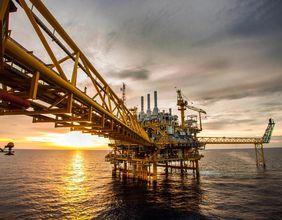
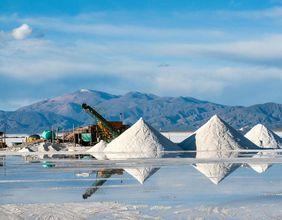
Commodity markets have also played a role in the recent recovery of Australian shares. Despite uncertainties in global markets, certain commodities have shown signs of stability. Iron ore, a cornerstone of the Australian export sector, has maintained steady demand, reflecting robust global consumption patterns. Similarly, energy commodities such as crude oil and natural gas have experienced modest fluctuations that have reinforced the notion of supply resilience amid broader market concerns. Gold, traditionally seen as a safe-haven asset during periods of economic uncertainty, has drawn attention for its stability. The performance of these commodities often has a direct impact on the share prices of mining and resource companies listed on the ASX. The interplay between commodity performance and market sentiment further underscores the multifaceted influences driving Australian share dynamics.
Legal Proceedings and Regulatory Environment
Legal developments and regulatory proceedings have also been a factor in the current market narrative. Ongoing legal cases involving companies such as Star Entertainment (ASX:SGR) have attracted attention due to their potential implications for regulatory practices within the sector. These proceedings, which began several years ago, continue to progress and remain in the public eye. Their outcomes have the potential to affect not only the companies directly involved but also the broader regulatory environment in which Australian shares operate. As legal battles continue, market participants are keeping a close watch on any developments that might signal shifts in regulatory oversight or corporate governance standards.
Industry Developments and Market Activity
Amid these various influences, several industry-specific developments are shaping the market landscape. The reporting season for major ASX-listed companies is underway, with financial disclosures shedding light on performance trends and operational challenges. For example, Meridian Energy (ASX:MEZ) has received regulatory approval for new renewable energy projects, reflecting the growing importance of sustainable energy initiatives. Additionally, the strategic maneuvers by global private equity firms in relation to commercial real estate assets, such as the activities surrounding office landlord Dexus (ASX:DXS), highlight the diverse opportunities present within the market. These industry-specific events provide valuable context for understanding how individual sectors are adapting to a global environment marked by economic uncertainty.
Global Interconnections and Market Dynamics
The interconnectedness of global markets is perhaps the most defining feature of the current trading environment. Developments in the U.S. and Europe are not isolated events; they reverberate through every market, including Australia. As traders and companies adjust to the evolving global landscape, the feedback loop between international policy decisions and domestic market performance becomes increasingly apparent. Market participants are acutely aware that shifts in one region can trigger a cascade of responses elsewhere. This reality has led to heightened scrutiny of global economic indicators and a more nuanced understanding of market risk. The ongoing dialogue between international trade policies, employment data, and commodity performance continues to shape the landscape of Australian shares.
Strategic Implications for the Future
While the current market conditions reflect a period of uncertainty, they also signal a phase of active adaptation and realignment among Australian companies. The interplay of economic, regulatory, and commodity factors is prompting firms to refine their strategies in order to navigate an increasingly complex global environment. By focusing on operational efficiencies and leveraging established market positions, many ASX-listed companies are working to position themselves advantageously amid the turbulence. The resilience of the Australian market, underscored by its capacity to absorb and respond to global shocks, remains a testament to its underlying strengths. This dynamic has led to a renewed focus on the long-term drivers of share performance and the ways in which companies can align themselves with emerging global trends.
Australian shares continue to reflect the complexities of a global economic system marked by significant policy shifts and market uncertainties. The intricate web of influences—from U.S. economic developments and trade disputes to regulatory proceedings and commodity market performance—demonstrates that no market operates in isolation. As Australian companies navigate these turbulent waters, the interplay of domestic and international factors will remain central to understanding market trends. The current phase of market activity, characterized by cautious trading and sector-specific developments, offers a snapshot of a dynamic environment where global interconnections drive local outcomes.
