
 AUS
AUS
 NZ
NZ
 UK
UK
 CA
CA
 USA
USA
 IND
IND





Highlights
Utilities sector records stronger performance within ASX market activity.
Materials segment reflects pressure amid shifting commodity trends.
Sector rotation highlights varied participation across Australian equities.
ASX 200 reflects sector divergence as utilities show strength while materials face pressure, highlighting shifting dynamics across Australian equity markets.
The Australian equity market includes a diverse mix of sectors such as utilities, materials, financials, and energy, each contributing to economic activity and index performance. Benchmarks such as the ASX 200 capture these movements, reflecting how sector-based dynamics influence broader market conditions.
Companies such as AGL Energy Limited (ASX:AGL), Origin Energy Limited (ASX:ORG), and BHP Group Limited (ASX:BHP) operate across utilities and materials segments, representing key components of the Australian market. These companies highlight the interaction between energy provision and resource extraction within the economic framework.
Sector movements within the market reflect a combination of macroeconomic conditions, commodity trends, and operational developments. Utilities and materials often respond differently to these factors due to their distinct operational structures and demand drivers.
Utilities companies are typically associated with stable infrastructure and service delivery, while materials companies are linked to commodity markets and global industrial demand. These differences contribute to variations in sector performance across trading periods.
The Australian market reflects global economic influences, where developments in international markets shape domestic sector activity and participation.
Utilities Sector Activity and Infrastructure Stability
The utilities sector encompasses companies involved in electricity generation, gas supply, and infrastructure services. These companies provide essential services that support residential, commercial, and industrial operations.
Utilities activity often reflects steady demand due to the essential nature of energy and infrastructure services. Companies within this sector operate within regulated environments, ensuring consistent delivery of services.
The broader asx all ords index includes utilities companies alongside other sectors, highlighting their role within the overall market structure. This inclusion reflects the importance of infrastructure services in supporting economic activity.
Utilities companies engage in long-term operational planning, focusing on energy generation, distribution networks, and infrastructure maintenance. These activities support continuity and reliability in service delivery.
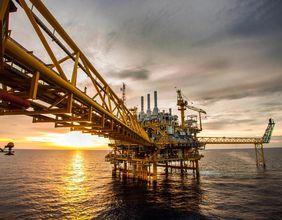
The integration of renewable energy sources and technological advancements continues to influence the utilities sector, contributing to changes in energy production and distribution systems.
Utilities companies also engage with regulatory frameworks that guide pricing, environmental compliance, and operational standards, ensuring alignment with government policies.
Materials Sector Trends and Commodity Market Influence
The materials sector includes companies involved in the extraction and processing of natural resources such as metals, minerals, and construction materials. This sector is closely tied to global commodity markets and industrial demand.
Materials companies respond to changes in commodity demand, which can influence production activity and operational planning. These factors contribute to variations in sector performance.
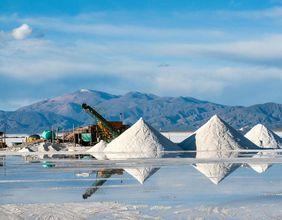
Mining operations involve multiple stages, including exploration, extraction, processing, and logistics. Each stage contributes to the delivery of resources to domestic and international markets.
The category of ASX dividend stocks includes companies from the materials sector, reflecting their participation in capital allocation frameworks. Resource companies often balance operational investment with capital distribution.
Global trends, including industrial activity and infrastructure development, influence demand for materials. These trends shape how companies operate and interact with markets.
The materials sector continues to adapt to changing economic conditions, reflecting the dynamic nature of commodity-driven industries.
Sector Rotation and Market Participation
Sector rotation represents the movement of capital between different segments of the market, reflecting changes in economic conditions and investor focus. Utilities and materials sectors often experience varying levels of participation during such rotations.
Market participants, including institutional investors and corporate stakeholders, allocate resources across sectors based on prevailing conditions. These allocations influence sector activity and overall market dynamics.
Sector rotation highlights the diversity of the Australian market, where different industries respond to economic signals in distinct ways. Utilities may reflect stability, while materials may respond to commodity trends.
Global connectivity influences sector rotation, with international developments shaping how capital flows across markets. Australian equities are integrated within this global framework.
The inclusion of multiple sectors within indices ensures a balanced representation of economic activity, supporting diversification and participation within financial markets.
Sector dynamics continue to evolve as companies respond to technological advancements, regulatory changes, and shifts in demand.
Market Structure and Economic Integration
The structure of the Australian equity market reflects its integration within the global economy, where domestic conditions are influenced by international developments. Sector performance forms a key component of this structure.
Utilities and materials sectors contribute to economic activity through infrastructure services and resource production, respectively. Their operations support both domestic consumption and international trade.
Corporate activity within these sectors includes operational updates, project developments, and engagement with stakeholders. These activities contribute to market visibility and participation.
The interaction between sectors highlights the complexity of financial markets, where multiple variables influence performance and participation.
Australian companies operate within a global environment, engaging with international markets and responding to global economic trends. This integration supports the development of industries and economic growth.
The evolving nature of market structure reflects ongoing changes in technology, energy systems, and industrial activity, shaping how sectors interact within the financial ecosystem.
