
 AUS
AUS
 NZ
NZ
 UK
UK
 CA
CA
 USA
USA
 IND
IND






Highlights
- Bitcoin’s market cap reaches $2 trillion, surpassing major companies like Tesla and Facebook.
- Global crypto market now valued at $3.69 trillion, with Bitcoin leading the pack.
- Russia's endorsement of cryptocurrency could influence global financial shifts.
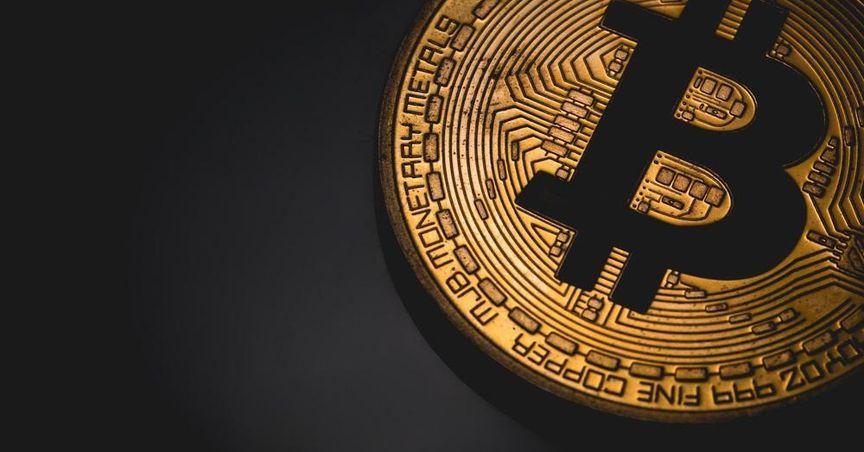
Bitcoin, the world’s leading cryptocurrency, has reached an unprecedented milestone, with its market capitalization surpassing $2 trillion. This surge, which saw Bitcoin rise by 6.2% in just 24 hours as of December 5, has positioned the digital currency as a dominant player in global finance, surpassing the market valuations of major corporations, including Tesla (TSLA), Facebook (META), and Saudi Aramco (2222).
Bitcoin’s remarkable growth places its market cap ahead of the GDPs of several large economies, including Mexico, Australia, and Spain. It now stands just below the GDPs of Russia, Brazil, and Canada, marking its ascent to one of the largest financial assets in the world. This leap is reflective of the growing optimism surrounding Bitcoin, which has steadily gained support from both individual and institutional investors.
The boost in Bitcoin’s value is not just attributed to market speculation but also to recent developments that are positively influencing the crypto space. A key factor in Bitcoin’s rise has been the appointment of Paul Atkins as the incoming Chairman of the U.S. Securities and Exchange Commission (SEC). Known for his advocacy of cryptocurrencies, Atkins’ expected deregulation of the crypto industry is seen as a positive move, making the U.S. a more attractive environment for crypto investments. His role, coupled with his previous experience in banking and his leadership in the Digital Chamber of Commerce, positions him as a pivotal figure in the industry’s growth.
Bitcoin’s recent surge is also tied to global political developments. Russian President Vladimir Putin’s recent remarks about cryptocurrencies have garnered attention, particularly his critique of holding state reserves in foreign currencies. Putin highlighted the vulnerabilities of traditional reserves, citing the $300 billion in Russian assets frozen by Western nations during the Ukraine conflict. His endorsement of Bitcoin, emphasizing its decentralized nature and immunity to political influence, has sparked further interest in digital assets as a secure alternative to traditional financial systems. Russia’s increasing support for crypto regulations, including laws facilitating crypto mining and cross-border transactions, reflects a broader global shift towards integrating digital currencies into national economic strategies.
As of now, Bitcoin continues to dominate the cryptocurrency market, with the global crypto market cap standing at $3.69 trillion. Other cryptocurrencies such as Ethereum (ETH), XRP (XRP), and Tether (USDT) follow Bitcoin, though with much smaller market caps. Analysts believe that Russia’s embrace of cryptocurrency could serve as a model for other nations seeking to mitigate the impact of sanctions or diversify their economic reserves.
The growing acceptance of Bitcoin and other cryptocurrencies signals a shift in global financial dynamics, with nations and investors increasingly looking to digital currencies as an alternative store of value and means of transaction.
