
 AUS
AUS
 NZ
NZ
 UK
UK
 CA
CA
 USA
USA
 IND
IND







Highlights
Australia leads in reserves of key minerals used in clean energy development
CSIRO’s latest report shows renewables remain the lowest-cost energy solution
International Court of Justice outlines states’ legal climate responsibilities
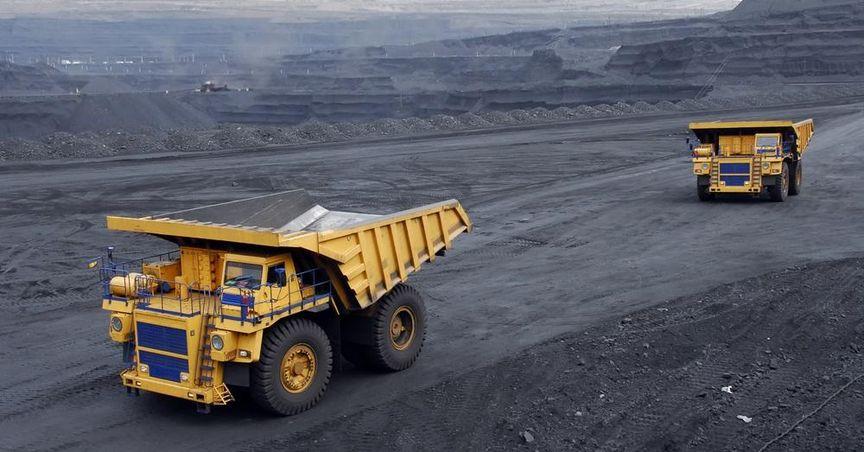
Australia’s mining sector, a core component of the ASX 200 and ASX 100, has been spotlighted in a global report by PwC Australia for its significant reserves of minerals essential to clean energy technologies. The report reviewed the performance of the world’s largest mining companies and positioned Australia as a leading holder of lithium, cobalt, manganese, and nickel reserves.
Key ASX-listed companies such as BHP Group Ltd (ASX:BHP), Rio Tinto Ltd (ASX:RIO), Fortescue Ltd (ASX:FMG), Northern Star Resources Ltd (ASX:NST), and South32 Ltd (ASX:S32) featured among the top global miners. Despite strong reserves, the report highlighted that production is not always aligned with rising demand, suggesting the need for stronger coordination between miners, governments, and customers.
The report encouraged a more collaborative approach among stakeholders to align efforts and help the sector accelerate environmental progress while creating value through decarbonisation.
CSIRO Report Affirms Renewables as Least-Cost Generation
Australia’s national science agency, the Commonwealth Scientific and Industrial Research Organisation (CSIRO), in collaboration with the Australian Energy Market Operator (AEMO), has released its latest GenCost report. The study compared new-build electricity generation technologies and reaffirmed renewables supported by storage and transmission as the most cost-effective solution.
Gas with carbon capture and storage (CCS) and large-scale nuclear were also evaluated, with the report noting these technologies are not yet deployed in Australia. Small modular nuclear reactors, though considered, ranked as the most expensive among assessed options.
These findings reflect Australia's ongoing focus on achieving a reliable and low-emission energy system, which is becoming increasingly relevant amid the global push for energy transition.
ICJ Clarifies State Responsibilities on Climate Action
The International Court of Justice (ICJ) has released an advisory opinion clarifying the legal obligations of states concerning climate change. The proceedings were supported pro bono by global law firm DLA Piper and involved representation from nations including Timor-Leste, Tonga, Solomon Islands, and Zambia.
The opinion asserted that states must act to prevent greenhouse gas emissions under international law, including environmental treaties, customary law, and human rights provisions. It also established that failure to regulate emissions from both public and private actors could result in legal consequences if harm is caused to other nations.
This marks a significant milestone in the legal framework supporting international climate action, as countries are now formally recognised as accountable for environmental governance and enforcement.
Titanium Sands Advances Environmental Work in Sri Lanka
Titanium Sands Ltd (ASX:TSL), listed on the All Ordinaries, has updated the progress of environmental studies for its Manna Heavy Mineral Project in Sri Lanka. Field investigations and ecological assessments are underway, with teams from the Water Resources Board and Department of Agriculture conducting site evaluations.
The company plans to submit a revised work schedule once further data is collected. Titanium Sands holds multiple exploration licences in Sri Lanka, targeting heavy mineral sands along coastal regions. The company aims to align its project development with rigorous environmental compliance standards.
The rising demand for minerals linked to solar, wind, and electric vehicle technologies continues to shape exploration and development strategies, aligning with forecasts from the International Energy Agency (IEA) on global mineral demand growth through to 2040.
Frequently Asked Questions
- What role does Australia play in the global energy transition?
Australia leads in reserves of lithium, cobalt, nickel, and manganese, essential for clean energy technologies. - Which energy sources remain most cost-effective in Australia?
Renewables backed by storage and transmission are highlighted as the lowest-cost options in CSIRO’s GenCost report. - What are states’ legal duties regarding climate change?
According to the ICJ, states are legally required to control emissions and may be held responsible for climate-related harm if they breach these obligations.
